Are You Required to Have IMDG Training?
International Maritime Dangerous Goods (IMDG) training requirements—who must comply, personnel obligations, documentation, and common triggering scenarios.
Many companies unknowingly trigger International Maritime Dangerous Goods (IMDG) requirements when shipping products by vessel. A seemingly routine export can result in port rejection if IMDG compliance is overlooked.
⚡ TL;DR: Any company loading hazardous materials into shipping containers for maritime transport—including exports to Alaska, Hawaii, and U.S. territories—must follow IMDG rules. Personnel who classify, pack, label, document, or load dangerous goods must have IMDG training with refresher training every 3 years.
If you ship hazardous materials by vessel or over water, you are required to follow the rules of the International Maritime Dangerous Goods (IMDG) code. This includes companies who are:
- Loading shipping containers onsite
- Using third-party companies to load shipping containers for them onsite
- Sending hazardous materials to freight forwarders or third-parties to be loaded somewhere else
You May Qualify Without Knowing It
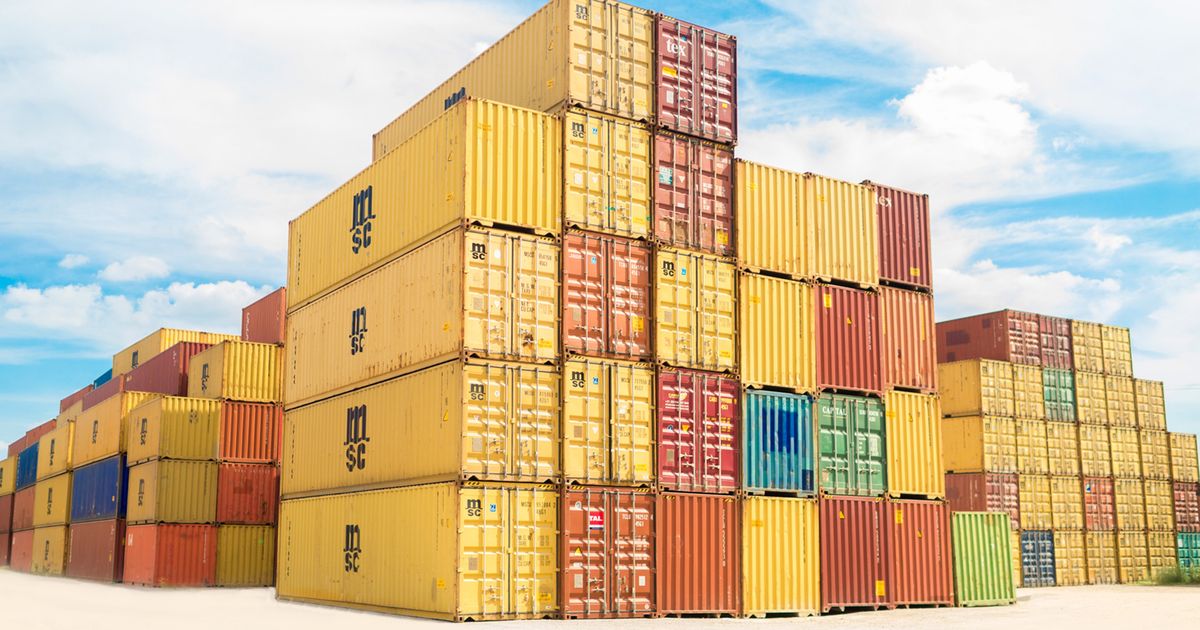
Shipping containers are used for overseas transport, but also keep in mind they are used to transport products to U.S. states such as Hawaii and Alaska as well as U.S. territories. For example, a company tasked with gathering products for store openings in Alaska and Hawaii needed to load some hazardous materials into shipping containers. That company became subject to IMDG rules even though they weren’t aware. Keep in mind that even small quantities can trigger requirements. Companies shipping vehicles and equipment via vessel with residual oils, lubricants, or engine fluids trigger hazardous materials regulations. Even residual fluids left in engines from factory testing trigger IMDG requirements.
⚠️ What’s at stake: Port rejection of shipments due to improper IMDG documentation or training. Failure to classify and package hazardous materials correctly results in international shipping delays, demurrage fees ($500-$5,000+ per day), and customer penalties. Shipper liability for accidents or environmental damage from improperly documented/trained shipments can exceed $100,000+.
Just like in DOT regulations for ground shipments and IATA regulations for air shipments, goods loaded into containers must be packaged in certified packages with design qualification reports. Special IMDG dangerous goods paperwork called a Dangerous Goods Transport Document must accompany the shipment and all packages and containers need proper labels and placarding. Even if you use a third-party to handle this, your company remains responsible as the shipper. Your company will deal with regulators and potentially unhappy customers if goods are delayed.
Training Requirements
If IMDG applies to your operations, the following personnel need to have training upon employment or assignment to hazardous materials duties:
- Anyone who classifies and/or identifies the proper shipping names of dangerous goods
- Personnel who pack dangerous goods
- Those who mark, label or placard dangerous goods
- Load/unload personnel
- Those who prepare transportation documents
- Personnel who offer or accept dangerous goods for transport
- Those who handle, load or unload dangerous goods into or from ships
- Those who prepare dangerous goods loading/stowage plans
- Employees who carry dangerous goods in transport
- Those who enforce, survey or inspect dangerous goods for compliance
As with other hazardous materials training, students are required to have general awareness, safety, and function-specific training. Refreshers are required every 3 years.
Does your export operation include current IMDG training for all personnel handling or documenting maritime shipments? iSi Environmental provides comprehensive IMDG training, dangerous goods documentation review, and compliance verification for exporters and manufacturers shipping hazardous materials by vessel. Get started →
Frequently Asked Questions
Q: What operations trigger International Maritime Dangerous Goods (IMDG) training requirements?
IMDG training is required for any company loading hazardous materials into shipping containers for maritime transport, including overseas shipments and vessel transport to Alaska, Hawaii, and U.S. territories. Even small quantities of hazardous materials in containers—such as lubricants, oils, or residual fluids in equipment—trigger IMDG compliance. Companies that use third-party freight forwarders to load containers remain responsible for verifying IMDG compliance. iSi Environmental helps exporters and manufacturers in Kansas and Oklahoma determine IMDG applicability and establish compliant dangerous goods programs.
Q: What are the IMDG training requirements for personnel involved in hazardous materials shipments?
All personnel who classify, pack, mark, label, placard, load/unload, document, handle, or inspect dangerous goods for maritime transport must receive IMDG training upon employment or assignment to hazardous materials duties. Training must include general awareness and safety modules, plus function-specific training based on job responsibilities. IMDG certification must be refreshed every three years. iSi Environmental provides comprehensive IMDG training to ensure your team meets international maritime requirements.
Q: What documentation is required for shipping hazardous materials by vessel under IMDG rules?
Companies must prepare a Dangerous Goods Transport Document that accompanies the shipment and accurately describes the hazardous materials being shipped. All packages must be properly labeled, and shipping containers must be placarded according to IMDG standards. Goods must be packaged in certified containers with design qualification reports. Failure to provide proper IMDG documentation can result in port rejections, delays, and compliance violations. iSi Environmental ensures hazardous materials are properly classified, documented, and packaged for maritime transport.
Q: Are there differences between IMDG, DOT, and IATA hazardous materials training requirements?
Yes, each transportation mode has distinct regulations: DOT governs ground transport and requires refresher training, IATA governs air shipments with specific refresher frequencies, and IMDG governs maritime transport with its own classification and packaging standards. Hazmat refresher training must occur every 3 years under DOT and IMDG, and every 2 years under IATA. Companies transporting hazardous materials via multiple modes need to ensure compliance with all applicable standards.
💰 The cost of non-compliance: Port rejection and demurrage: $500-$5,000+ per day delay. Improper IMDG documentation or training penalties: international shipping fines ($10,000+) plus customer penalties. Liability for accidents or environmental damage from improperly shipped hazmat: $100,000+. Untrained personnel citations: $10,000+ per citation per employee.
Every satisfactory compliance program starts with knowing where the gaps are. iSi Environmental helps exporters and manufacturers determine IMDG applicability, provide maritime hazmat training, and ensure dangerous goods documentation is complete and accurate. Schedule a compliance review →
We Plug In. You Level Up.