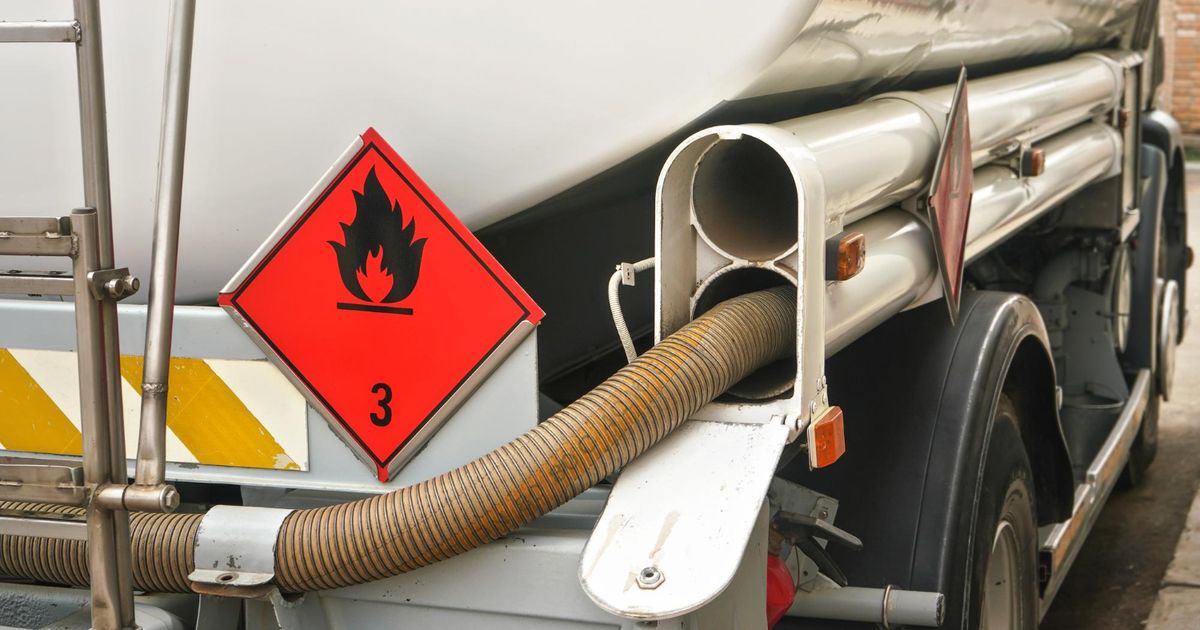
Are You Shipping Hazardous Materials? Common and Surprising Hazardous Materials Many Companies Ship but May Not Realize
Commonly overlooked hazardous materials in shipments—identifying items requiring DOT, IATA, and IMDG compliance for ground, air, and maritime transport.
Many companies unknowingly ship hazardous materials without proper training, classification, or documentation. iSi conducts hazardous materials transportation training teaching personnel how to properly package, label and ship hazardous materials by ground, air and by sea. Training is required for DOT, IATA and IMDG shipments.
⚡ TL;DR: Common hazmat includes paints, solvents, batteries, aerosols, and compressed gases. Lesser-known hazmat includes dry ice, magnets, equipment with residual fuel, and fire extinguishers. Even office items like nail polish, perfume, and smoke detectors are classified hazardous. Failure to classify and package correctly triggers fines and port rejections.
Common hazardous materials include: Hazardous Waste, Paints and Inks, Acetone, Fuels, Alcohols, Solvents, Glues, Industrial Chemicals, Compressed Gases, Refrigerant Gases, Batteries, Biological Samples, Mercury, Radioactive Material, and Aerosol Sprays.
Less commonly known hazmat: Patch and Repair Kits, Paint Markers, Parts and Engines With Residual Fuel, Dry Ice, Fire Extinguishers, Magnets, Self-Inflating Life Saving Equipment, Bleaches and Ammonia-Based Cleaning Products, First Aid Kits, and Equipment With Backup Batteries.
Office and household items considered hazmat: Smoke Detectors, Insecticides, Wood Treatment Products, Perfumes and Colognes, Essential Oils, Nail Polish and Nail Polish Remover, Aerosol Hair Sprays, Camping Equipment, Car Batteries, Pool Chemicals, and Fireworks.
⚠️ What’s at stake: Shipping unclassified or incorrectly classified hazmat results in DOT penalties of $10,000-$27,500 per violation, port rejections and demurrage fees ($500-$5,000+ per day), and carrier liability. Environmental damage from improper packaging results in cleanup costs ($25,000+) and environmental penalties. Personnel injuries from misclassified items create liability ($100,000+).
Is your shipping operation properly identifying and classifying all hazardous materials? iSi Environmental provides DOT, IATA, and IMDG hazmat training, conducts shipment audits, and helps companies ensure all personnel understand hazard classification and proper packaging for all transportation modes. Get started →
Frequently Asked Questions
Q: What items are commonly classified as hazardous materials requiring DOT, IATA, or IMDG training?
Common hazardous materials include paints and inks, solvents, acetone, fuels, alcohols, glues, compressed gases, batteries, and aerosol sprays. Less commonly recognized hazmat includes dry ice, fire extinguishers, magnets, equipment with residual fuel, and equipment with backup batteries. Even household items like nail polish, essential oils, pool chemicals, and perfumes are classified as hazardous materials for shipping purposes. Improper classification and packaging of these items can result in DOT, IATA, or IMDG violations and rejection at ports or transportation hubs. iSi Environmental trains personnel in Kansas and Oklahoma on proper hazmat classification and packaging for all transportation modes.
Q: Are there surprising items that are classified as hazardous materials for shipping?
Yes, many companies unknowingly ship hazardous materials in items such as patch and repair kits, paint markers, smoke detectors, insecticides, wood treatment products, camping equipment, and fireworks. Engine parts with residual fuel, vehicles with backup batteries, and equipment with self-inflating life-saving mechanisms are all subject to hazmat regulations. These items often surprise shippers because they appear innocuous but contain hazardous components triggering DOT, IATA, or IMDG classification and special packaging requirements.
Q: What is required to legally ship hazardous materials by ground, air, or sea?
All hazardous materials must be properly classified, packaged in certified containers, marked and labeled according to DOT/IATA/IMDG standards, and accompanied by accurate shipping documentation. Personnel involved in classification, packing, labeling, documentation, and transport must receive training and certification. DOT and IMDG require refresher training every 3 years, while IATA requires training every 2 years. Failure to comply results in citations, fines, port rejections, and liability for injuries or environmental damage.
Q: How can companies ensure hazmat compliance across ground, air, and maritime shipping operations?
Companies should conduct comprehensive audits of products and equipment being shipped to identify hazardous materials. All personnel responsible for shipping must receive DOT, IATA, and IMDG training and maintain current certifications. Packaging and labeling systems must meet all three regulatory standards. iSi Environmental helps manufacturers, exporters, and logistics companies in Oklahoma, Kansas, and Texas establish hazmat compliance programs covering all transportation modes.
💰 The cost of non-compliance: Improper hazmat classification: DOT fines of $10,000-$27,500 per violation. Port rejection and demurrage: $500-$5,000+ per day. Untrained personnel: $10,000+ per employee per incident. Environmental damage from spills: $25,000+ cleanup plus EPA penalties. Multi-shipment violations easily exceed six figures.
Every satisfactory compliance program starts with knowing where the gaps are. iSi Environmental helps manufacturers, exporters, and logistics companies identify hazardous materials in their shipments and ensure proper classification, packaging, and personnel training across all transportation modes. Schedule a compliance review →
We Plug In. You Level Up.