Bleach Safety
With the spread of COVID-19, businesses and households are looking for ways to clean and sanitize surfaces, and bleach is one of those cleaners that exp...
With the spread of COVID-19, businesses and households are looking for ways to clean and sanitize surfaces, and bleach is one of those cleaners that experts have deemed acceptable. Before you begin, please review these bleach safety tips to ensure you and your workers are protected:
Uses for Bleach
Bleach can disinfect which means it is effective at killing most bacteria, fungus and viruses but the surface needs to be clean of dirt and grime beforehand. If needed clean the surface with soap and water before disinfecting. Cleaning refers to the removal of dirt and impurities, including germs, from surfaces. Cleaning alone does not kill germs. But by removing the germs, it decreases their number and therefore any risk of spreading infection. Disinfecting works by using chemicals to kill germs on surfaces. This process does not necessarily clean dirty surfaces or remove germs. But killing germs remaining on a surface after cleaning further reduces any risk of spreading infection. The Centers for Disease Control & Prevention (CDC) recommends the following concentrations for disinfection of hard surfaces: 5 tablespoons (1/3rd cup) bleach per gallon of water 4 teaspoons bleach per quart of water Remember to always add bleach to water and not water to bleach.
Personal Protective Equipment
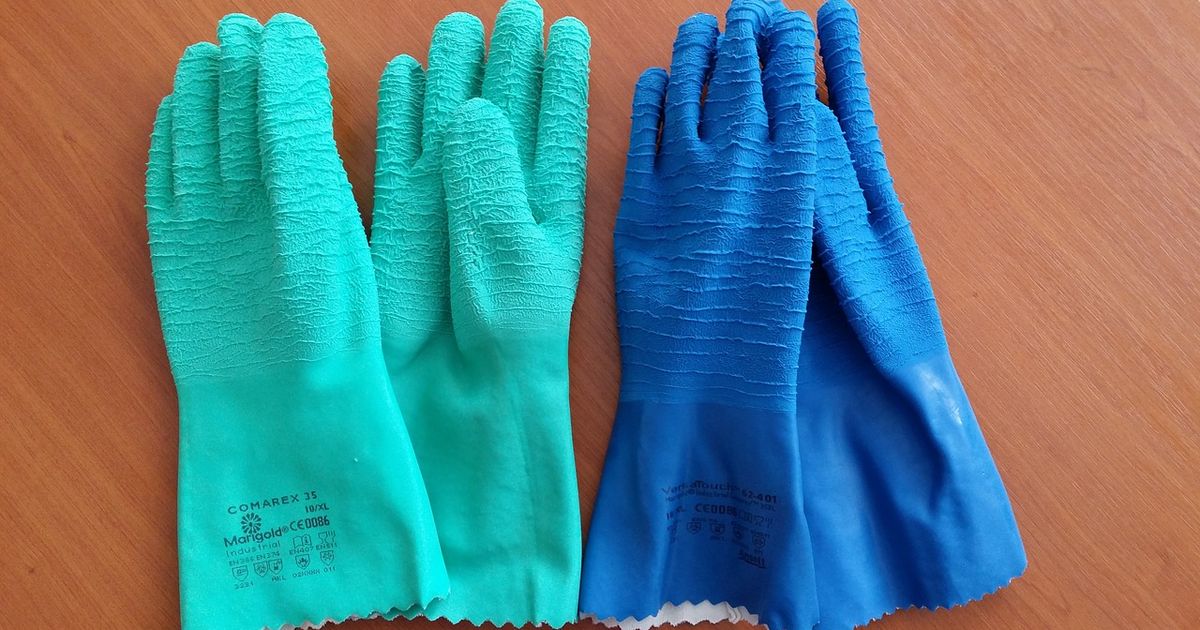
Bleach is a corrosive, meaning it will burn skin, so it needs to be kept off skin and out of eyes. So always wear the following when mixing and using bleach. Nitrile gloves Safety glasses or chemical goggles Long sleeves Pants Covered shoes Always wash your hands with soap and water after working with any chemical but especially before eating, drinking or smoking.
First Aid
Eyes: Hold the eye open and rinse slowly and gently with water for 15 to 20 minutes, or for the time the manufacturer recommends. Remove contact lenses, if present, and continue rinsing the eye. Call a poison control center, emergency services, or a doctor. Skin: Remove the contaminated clothing. Rinse the skin immediately with plenty of water for 15 to 20 minutes, or for the time the manufacturer recommends. Inhaled/breathed in: Move the person to fresh air. If breathing is affected, call a poison control center, emergency services, or doctor. Swallowed: Call a poison control center, emergency services, or doctor. Do not try to get the person to vomit unless told to do so specifically by a medical professional. Do not give anything by mouth to an unconscious person. When providing first aid or when helping another person, be careful not to come into contact with the bleach yourself. Use protective clothing when necessary.
Hazards of Mixing Bleach
Don’t mix bleach with ammonia, acids, or other cleaners. Mixing bleach with common cleaning products can cause serious injuries. Be sure to always read the product label before using a cleaning product.
Frequently Asked Questions
Q: What is the correct concentration of bleach recommended by the CDC for disinfecting surfaces?
The CDC recommends using 5 tablespoons (1/3 cup) of bleach per gallon of water, or 4 teaspoons of bleach per quart of water, for disinfecting hard surfaces. The bleach must always be added to the water, never water to bleach, to prevent dangerous chemical reactions. Surfaces should be cleaned with soap and water first to remove dirt and grime, then disinfected with the bleach solution. Proper dilution is critical because undiluted bleach can damage surfaces and cause severe chemical burns. iSi Environmental provides guidance on proper disinfectant concentrations for workplace cleaning protocols.
Q: What personal protective equipment must workers wear when handling bleach?
OSHA requires workers to wear nitrile gloves, safety glasses or chemical goggles, long sleeves, pants, and covered shoes when mixing and using bleach. The bleach Safety Data Sheet (SDS) specifies PPE requirements and must be available to all workers. Hands must be washed thoroughly with soap and water after bleach exposure, especially before eating, drinking, or smoking. Facility managers must ensure proper PPE is available and workers are trained on its use. iSi Environmental helps facilities establish bleach handling protocols that meet OSHA requirements.
Q: What are the dangers of mixing bleach with other cleaning products?
Mixing bleach with ammonia, acids, or other cleaners can create toxic chlorine gas or other hazardous chemical reactions causing serious injury or death. Ammonia and bleach create especially dangerous combinations. Workers must read product labels before using cleaning products and never mix different cleaners. Training programs must specifically address the hazards of mixing bleach with other chemicals. iSi Environmental includes hazard communication training on chemical incompatibilities in workplace cleaning programs.
Q: What first aid measures are required for bleach exposure?
For eye exposure, rinse slowly and gently with water for 15-20 minutes, remove contact lenses, and contact poison control or emergency services. For skin exposure, remove contaminated clothing and rinse immediately with water for 15-20 minutes. For inhalation, move to fresh air and call emergency services if breathing is affected. For ingestion, contact poison control and do not induce vomiting unless directed by medical professionals. First aid supplies and emergency eyewash stations must be readily accessible. iSi Environmental ensures facilities have proper first aid equipment and trained responders.
Need help with covid-19 compliance? Contact iSi Environmental for a same-day response, or explore our covid-19 services to see how we can help your facility.