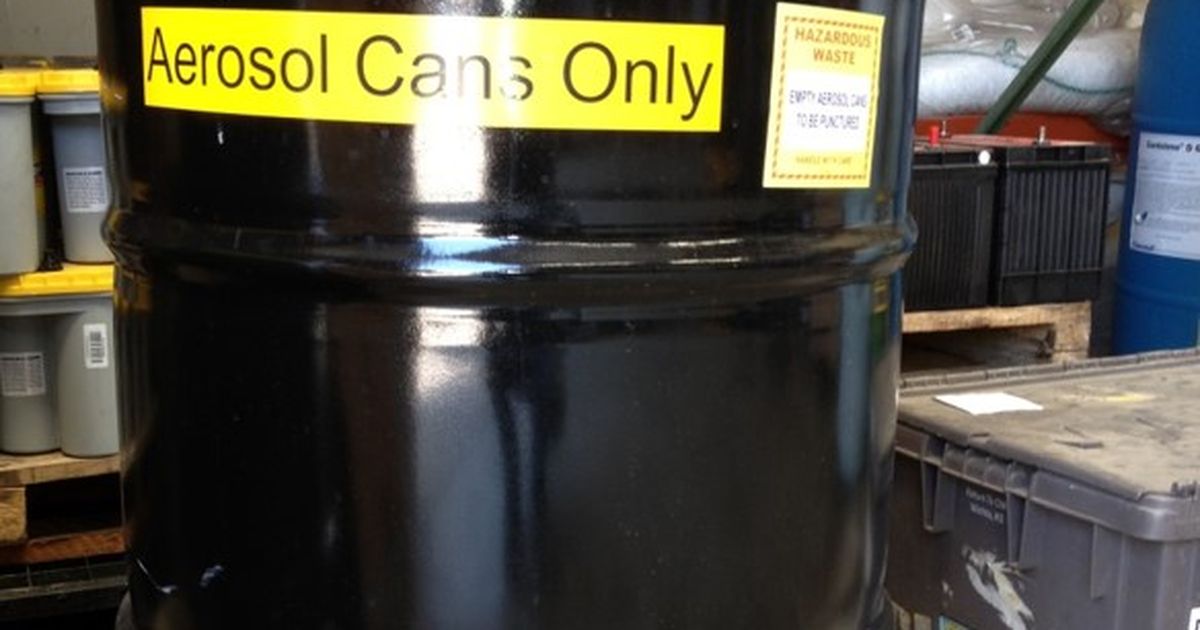
EPA Proposing Changes to Aerosol Can Hazardous Waste Regulations
EPA is proposing to allow generators to handle aerosol cans as a universal waste rather than a hazardous waste.
EPA is proposing to allow generators to handle aerosol cans as a universal waste rather than a hazardous waste. As a result, EPA hopes to encourage more recycling, ease regulatory burdens on generators, reduce the amount of cans going to landfills, and save over $3 million per year.
⚡ TL;DR: EPA proposes reclassifying discarded aerosol cans from hazardous to universal waste, allowing 1-year storage (vs. 90-270 days), eliminating manifest requirements, and encouraging facility recycling with strict puncture/draining equipment standards.
⚠️ What’s at stake: Retail stores and industrial generators currently managing aerosol cans as hazardous waste face uncertainty during the regulatory transition. States with stricter rules than federal may not accept the universal waste classification. Facilities investing in puncture equipment must ensure it meets the stringent new standards EPA is proposing.
The Current Aerosol Can Hazardous Waste Regulation
Aerosol cans, when discarded, are handled as hazardous waste. Entities with these are required to follow all hazardous waste rules regarding them. The number of days you can store these cans ranges from 90 to 270 depending on generator status and transportation. Retail stores who discard aerosol cans must also follow all hazardous waste rules.
In some states, generators can recycle the cans for scrap metal by puncturing them and draining the contents into other containers. The can becomes non-hazardous, but the container of leftovers may be considered hazardous waste. Some states don’t allow the puncturing and recycling of cans at all, even under carbon filtration.
The Proposed Aerosol Can Hazardous Waste Regulation
The proposed regulation would make discarded aerosol cans a universal waste. Other EPA universal wastes include batteries, mercury-containing equipment, and hazardous waste mercury lamps. Universal wastes can be stored and collected for up to one year and don’t need a hazardous waste manifest as long as they’re properly packaged and labeled.
As for aerosol can recycling, the proposed rule would encourage generators to collect and send their cans to a centralized hazardous waste handler for recycling. Any company recycling aerosol cans would be subject to special requirements. Only approved commercial devices for safely puncturing cans could be used. These facilities would also be required to have written procedures for operations and maintenance of the machines, how incompatible wastes would be segregated, proper hazardous waste management practices to be followed, and what emergency spill procedures would be followed.
EPA’s intent is to ease the retailer’s burden of managing aerosol can as hazardous waste, ease the generators’ burden of managing aerosol cans as hazardous waste, and to encourage more states and more entities to recycle aerosol cans.
Gaps
There are still some gaps and unknowns within the regulations such as:
What is the exact definition of an aerosol can, that is, would cans that do not aerate (such as shaving gel cans), be included? At what point between full, empty, “RCRA empty”, and used would the cans be eligible for universal waste consideration? Should there be a size limit on the cans; would cylinders be included? Would the equipment that some generators have already invested in to puncture and recycle their own cans be suitable under the new regulation?
If your retail operation or manufacturing facility discards aerosol cans, the proposed rule reclassification directly affects your current waste management practices and storage timelines. iSi Environmental conducts hazardous waste compliance reviews and helps facilities plan for regulatory transitions. Get a waste classification review →
💰 The cost of non-compliance: Retail stores and industrial generators managing aerosol cans under incorrect classifications face RCRA penalties of $10,000–$50,000+ per violation per day. Improper puncture and recycling operations trigger additional hazardous waste enforcement and equipment seizure.
Frequently Asked Questions
Q: What is the difference between hazardous waste and universal waste under EPA regulations?
Universal waste is a category of hazardous waste with simpler management requirements. Universal waste can be stored for up to one year without a hazardous waste manifest if properly packaged and labeled, whereas hazardous waste has stricter storage timelines of 90 to 270 days depending on generator status. Universal wastes currently include batteries, mercury-containing equipment, and hazardous waste mercury lamps.
Q: How are aerosol cans currently handled as hazardous waste?
Under current regulations, discarded aerosol cans are classified as hazardous waste, and generators must follow all hazardous waste rules including storage time limits of 90 to 270 days and manifest requirements. Some states allow puncturing and draining cans for recycling as scrap metal, though this remains subject to hazardous waste rules.
Q: What are the benefits of the proposed EPA rule to reclassify aerosol cans as universal waste?
EPA’s proposal aims to ease regulatory burdens on generators and retailers, encourage increased recycling of aerosol cans, reduce cans going to landfills, and save approximately $3 million per year. The change would allow longer storage periods (up to one year) and eliminate manifest requirements for properly packaged and labeled cans.
Q: What requirements would apply to facilities recycling aerosol cans under the proposed rule?
Approved facilities recycling aerosol cans would need approved commercial devices for safely puncturing cans, written procedures for operations and maintenance, proper segregation of incompatible wastes, hazardous waste management practices, and documented emergency spill procedures, according to iSi Environmental’s analysis of EPA requirements.
The aerosol can reclassification proposal creates a regulatory window where facilities managing aerosol cans now—under strict hazardous waste rules—may see relief through reclassification. But until finalized and adopted by your state, compliance means tracking dual requirements. iSi Environmental guides retail and manufacturing facilities through aerosol can waste classification and storage.
We Plug In. You Level Up.