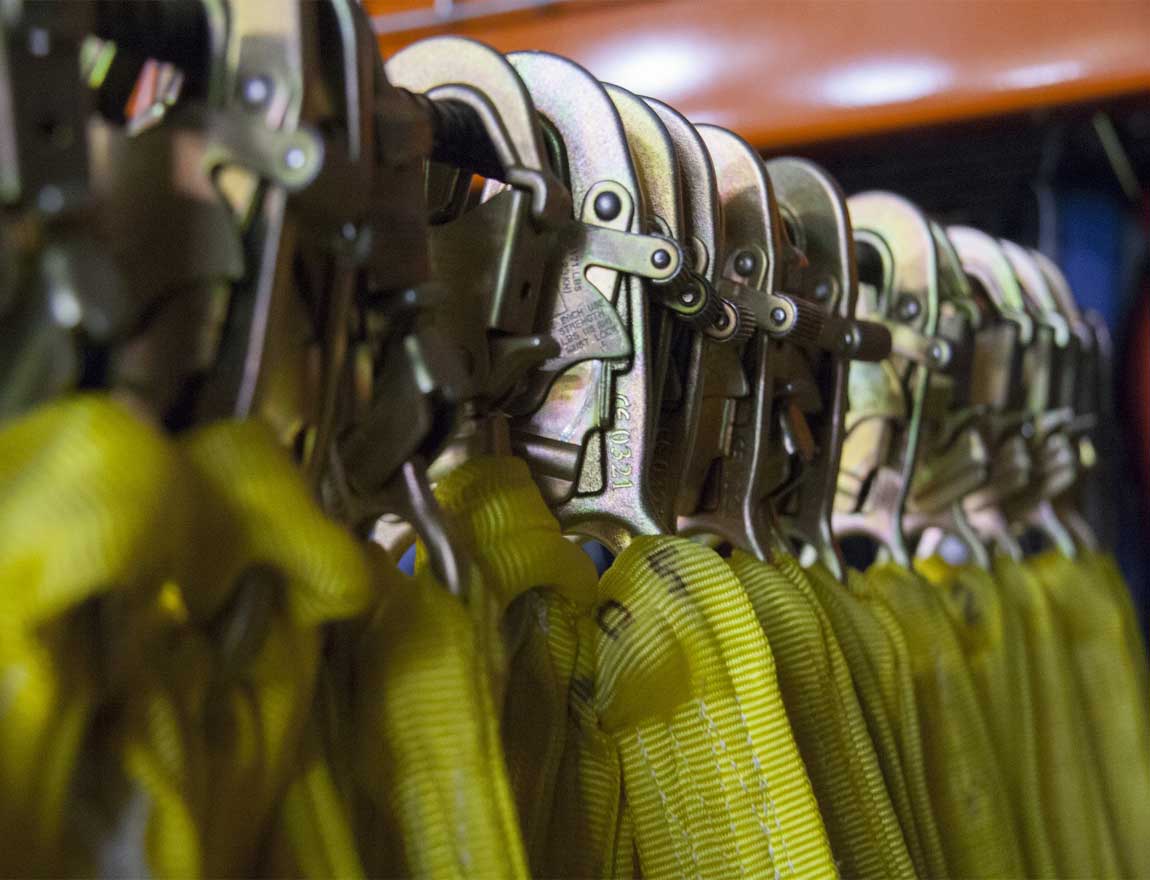
Fall Protection Requirements Updated
Walking-Working Surfaces Final Rule for General Industry Incorporates Construction Standards OSHA has incorporated Construction Standards into the Gener...
Walking-Working Surfaces Final Rule for General Industry Incorporates Construction Standards
OSHA has incorporated Construction Standards into the General Industry Walking-Working Surfaces and Fall Protection Systems Standard. Walking-working surfaces can be floors, stairs, ladders, roofs, ramps, scaffolds, elevated walkways or fall protection systems.
⚡ TL;DR: General industry now follows construction-standard fall protection rules. Fixed ladders over 24 feet grandfathered until 2036 but new/replacement ladders need safety systems. Rope Descent Systems capped at 300 feet with certified anchorage points. Employee training on fall hazards is required, not optional.
Some of tasks required immediately include employee training in slips, trips, falls and fall protection equipment, as well as regular inspections and maintenance of walking-working surfaces. Inspections, maintenance, and replacements (if needed) of fall protection equipment is also required.
The rule allows employers some leeway in choosing the fall protection systems which work best for them, which has been a part of the OSHA 1926 Construction Standard. It also phases in certain protections for fixed ladder systems which extend over 24 feet. For now, cages and wells on existing ladders are ok until the year 2036. However, any new or replacement ladders must have ladder safety or personal fall arrest systems installed on them starting next year.
⚠️ What’s at stake: Non-compliant fixed ladders create automatic citations. The 2036 deadline means every ladder replacement now triggers upgraded standard requirements. Facilities without facility-specific training documentation face easy citations. Rope Descent System violations result in serious penalties since non-compliance is binary—either certified or not.
The new rule incorporates language for those who use rope descent systems, or RDS. No RDS should be used at heights higher than 300 feet above grade, and employers are to have the anchorage points of these RDS systems certified by November 20, 2017. This certification requires inspection, testing, and verification that it’s capable of holding 5,000 lbs. per employee.
With the rule, OSHA has deferred scaffolding requirements to the construction standard.
For more information, check out the Walking-Working Surfaces rule’s frequently asked questions site.
Don’t wait for an inspection to audit your fixed ladders and RDS systems. Let iSi conduct a facility walk-through and build your compliance timeline.
💰 The cost of non-compliance: Fixed ladder violations: ~$10K–$16K each (serious). RDS anchorage violations: Willful, ~$50K–$165K. A single facility with multiple non-compliant ladders or RDS systems easily racks up $50K–$150K in citations before any incident.
Frequently Asked Questions
Q: What are walking-working surfaces and what falls under this OSHA category?
Walking-working surfaces include floors, stairs, ladders, roofs, ramps, scaffolds, elevated walkways, and fall protection systems. OSHA’s Walking-Working Surfaces Final Rule requires employers to ensure these surfaces are maintained and inspected regularly, and to provide employee training in slips, trips, falls, and appropriate use of fall protection equipment.
Q: What is the current status of fixed ladder fall protection requirements for heights over 24 feet?
For existing fixed ladders extending over 24 feet, cages and wells remain acceptable through 2036. However, any new fixed ladders or replacement ladder systems installed after the rule’s effective date must have ladder safety systems or personal fall arrest systems installed, according to OSHA’s Walking-Working Surfaces rule.
Q: What certification is required for Rope Descent Systems (RDS) anchorage points?
Rope Descent Systems may not be used at heights exceeding 300 feet above grade. RDS anchorage points must be certified by employers through inspection and testing to verify capability of holding 5,000 pounds per employee, with certification required by November 20, 2017, per OSHA requirements.
Q: Does the Walking-Working Surfaces rule require employers to use specific fall protection systems?
The rule allows employers flexibility in selecting fall protection systems that work best for their operations, incorporating language from OSHA’s Construction Standard 1926. However, all systems must meet or exceed minimum OSHA standards for safety, and employers remain responsible for proper inspection, maintenance, and employee training.
The 2036 deadline for fixed ladder upgrades isn’t that far away. Facilities with dozens of vertical accesses need a replacement timeline and budget plan now. Let’s map out your compliance runway.
We Plug In. You Level Up.