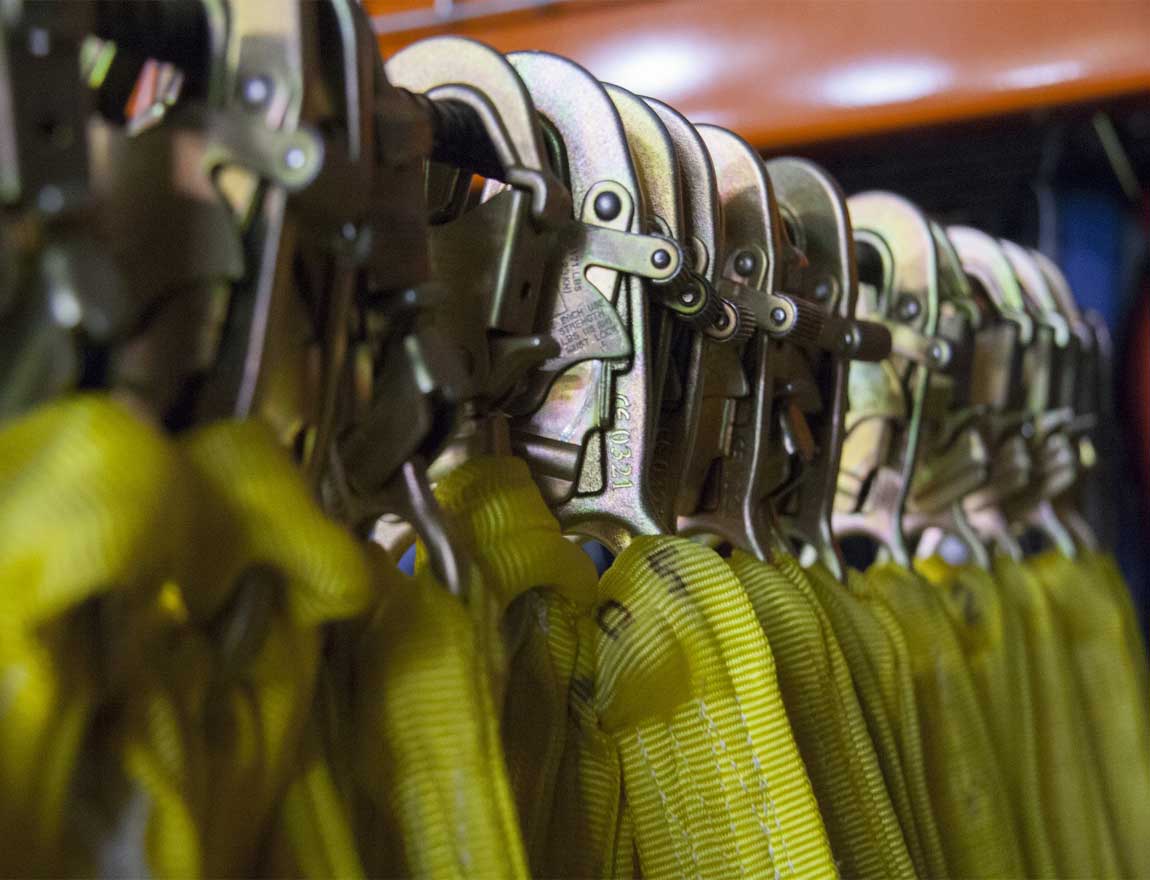
Fall Protection Requirements for General Industry: What Changed with the Walking-Working Surfaces Rule
OSHA's updated Walking-Working Surfaces standard brought construction-style fall protection into general industry.
Fall Protection Isn’t Just for Construction Anymore
Fall protection has topped OSHA’s most-cited violations list for years running—but historically, the detailed requirements lived primarily in the construction standards. General industry facilities operated under an older, less prescriptive framework. That changed when OSHA updated the Walking-Working Surfaces and Fall Protection Systems standard, incorporating construction-standard protections into general industry operations.
For manufacturers, warehouses, and other general industry employers, this means fall protection requirements are more specific and more enforceable than they used to be.
⚡ TL;DR: General industry now meets construction-standard fall rules. Fixed ladders 24+ feet, rope descent systems, elevated platforms—all require specific training, equipment, and inspection documentation. Missing one piece triggers OSHA citations. Gaps are easy to find because compliance is mostly paperwork.
What Changed
The updated rule brought several construction-standard principles into the general industry framework. Walking-working surfaces—floors, stairs, ladders, roofs, ramps, scaffolds, and elevated walkways—now have clearer inspection, maintenance, and protection requirements.
Employee training requirements now explicitly cover slips, trips, falls, and fall protection equipment use. Regular inspections and maintenance of walking-working surfaces are required, along with inspection, maintenance, and replacement of fall protection equipment when needed.
Employer flexibility is built in. The rule allows employers to choose the fall protection systems that work best for their specific operations—a principle borrowed from the construction standard that recognizes one-size-fits-all doesn’t work for fall prevention.
Fixed ladder systems extending over 24 feet got phased-in requirements. Existing cages and wells on older ladders remain acceptable through 2036, but any new or replacement ladders must have ladder safety systems or personal fall arrest systems installed. This is a long runway, but it means every ladder replacement or new installation triggers the updated standard.
Rope descent systems (RDS) now have specific limitations. No RDS should be used at heights greater than 300 feet above grade. Anchorage points must be certified through inspection, testing, and verification that each point can support 5,000 pounds per employee. Employers using window-washing or facade maintenance crews need to pay particular attention to these requirements.
⚠️ What’s at stake: A facility audit can reveal 5–15 non-compliant fixed ladders, unsupported RDS systems, mezzanines without guardrails, or workers without facility-specific fall training. Each represents a separate citation. Walk-throughs take 2 hours. Citations take months to resolve and cost $10K–$50K+ per finding.
Why This Matters for Manufacturers
General industry facilities often have elevated platforms, mezzanines, roof access points, fixed ladders to equipment, and maintenance areas where fall exposure exists. Before the update, some of these exposures fell into regulatory gray areas. Now the requirements are explicit.
The common compliance gaps we see in facility assessments include fixed ladders that were grandfathered under old rules but will need upgrading before the 2036 deadline, elevated work platforms without adequate guardrails or fall arrest anchor points, lack of documented fall protection training (the rule requires training, not just equipment), and walking-working surface inspection programs that exist on paper but aren’t actually being executed.
The Training Requirement Is Real
The rule requires training for employees exposed to fall hazards—not just workers who use fall protection equipment. That means employees who access roofs, climb fixed ladders, work on elevated platforms, or traverse walking surfaces with slip or trip hazards need documented training covering the specific hazards they face and the protection systems available to them.
Training must occur when employees are first assigned to work areas with fall hazards, when conditions change, and when new equipment or systems are introduced. Generic annual safety refreshers don’t satisfy this requirement. The training needs to be specific to your facility’s actual fall exposures.
What You Should Do Now
Start with a facility walk-through focused specifically on fall exposures. Identify every fixed ladder over 24 feet—these need a replacement or retrofit timeline before 2036. Document all elevated work areas and verify that fall protection systems meet the current standard. Review your training records to confirm they cover the specific requirements of the updated rule.
If you haven’t had a fall protection assessment since the rule update, you may have compliance gaps you don’t know about. The penalties for fall protection violations are among the highest OSHA issues—this consistently ranks as the most-cited standard for a reason.
How iSi Helps
Our safety consulting team conducts fall protection assessments, develops site-specific fall protection programs, and provides the training required under the updated standard. We also handle fall protection equipment inspections for harnesses, lanyards, self-retracting lifelines, and anchor systems.
Waiting for an inspection to find your compliance gaps is expensive. Let’s identify and close them now.
💰 The cost of non-compliance: Fall violations: ~$10K–$165K each depending on severity. A typical facility audit uncovers 5–8 findings. Cost to correct + fines: $80K–$200K+. A fatality takes this into millions plus criminal exposure.
Frequently Asked Questions
Q: Which fixed ladders must be updated before the 2036 deadline under the Walking-Working Surfaces rule?
All new or replacement fixed ladders installed after the Walking-Working Surfaces rule update must have ladder safety systems or personal fall arrest systems. Existing fixed ladders with cages and wells installed before the rule remain acceptable until 2036, providing a phased-in transition period for general industry compliance.
Q: What specific fall protection training does OSHA require under the updated Walking-Working Surfaces standard?
OSHA requires training for employees exposed to fall hazards, not just those using fall protection equipment. Training must be specific to facility-specific exposures and cover the hazards employees face, available protection systems, and proper use procedures. Training must be conducted when employees are first assigned to fall hazard areas, when conditions change, and when new equipment is introduced.
Q: What are the height limitations for Rope Descent Systems under the current OSHA standard?
Rope Descent Systems may not be used at heights greater than 300 feet above grade. When RDS is used, anchorage points must be certified through inspection and testing to verify each point can support 5,000 pounds per employee. Window-washing and facade maintenance operations using RDS require particular attention to these OSHA requirements.
Q: What are the most common fall protection compliance gaps that OSHA finds in general industry facilities?
Common gaps identified include fixed ladders that need upgrading before 2036, elevated work platforms without adequate guardrails or anchor points, lack of documented facility-specific fall protection training, and walking-working surface inspection programs that are documented but not actively executed. iSi Environmental recommends conducting facility assessments to identify and address these gaps.
Fall compliance builds on three pillars: engineering (proper systems and anchor points), training (facility-specific and documented), and inspection (active and documented). When one pillar crumbles, OSHA finds easy citations. Get a complete assessment and roadmap.
We Plug In. You Level Up.