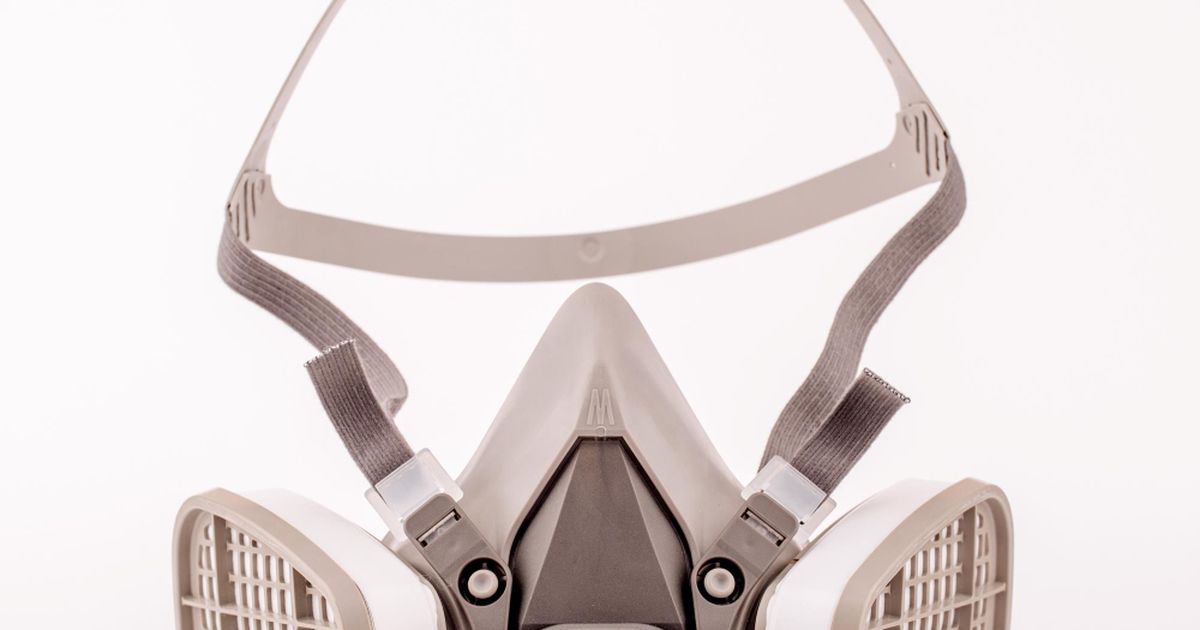
Fit Testing: NIOSH Affirms OSHA's Annual Fit-Test Requirements
A study published by NIOSH has affirmed the need for OSHA's requirement for annual fit-testing for filtering facepiece respirators and other tight-fitti...
A study published by NIOSH has affirmed the need for OSHA’s requirement for annual fit-testing for filtering facepiece respirators and other tight-fitting respirators.
⚡ TL;DR: NIOSH data: 10% of workers have fit changes in Year 1, 20% by Year 2, 26% by Year 3. Weight loss 20+ lbs, dental work, facial scars all trigger re-testing. Annual fit-testing is mandatory for respirator program compliance; skipping it exposes workers and your facility to OSHA violations.
In its study, NIOSH followed 229 subjects over three years’ time, making fit and physical characteristic measurements every 6 months. It was found that after one year, 10% of the subjects had changes in fit. In two years it was 20%, and in the third year, it was up to 26%.
OSHA’s intended threshold for fit changes, when it made its rules in 1998, was 7% annually.
NIOSH also found that subjects who had lost 20 or more pounds had respirator fit changes. The greater the weight loss, the higher the chance that the respirator fit changed. Thus, NIOSH recommends those persons who lose 20 or more pounds get priority fit-test scheduling, even it is less than a year since their last fit-test.
In addition to weight loss and gain, other events such as dental changes, facial scarring and cosmetic surgery can affect respirator fit as well.
⚠️ What’s at stake: A respirator that doesn’t fit isn’t just ineffective—it creates false confidence, leaving workers exposed to hazardous substances. OSHA violations for missing annual fit-testing, failure to document fit-tests, or use of non-fitted respirators: $10K–$50K+. Respiratory illness claims traced to inadequate fit-testing create workers’ comp and liability exposure.
If your company has a group of employees who need their required annual fit-testing and/or their required annual respiratory protection refresher training, iSi can help! iSi can conduct both qualitative and quantitative fit testing.
Don’t let respirator fit gaps create worker health risks and regulatory exposure. Schedule your annual fit-testing program today.
💰 The cost of non-compliance: Annual fit-testing violations: $10K–$50K per citation. Respiratory protection program gaps: $10K–$25K each. An operation with 20–50 respirator users missing annual fit tests easily faces $100K–$300K in penalties plus liability for respiratory illness claims.
Note: NIOSH’s study can be found at: https://blogs.cdc.gov/niosh-science-blog/2016/01/05/fit-testing/
Frequently Asked Questions
Q: What did NIOSH’s three-year fit-testing study conclude about respirator fit changes?
NIOSH’s longitudinal study of 229 subjects over three years found that 10% experienced respirator fit changes after one year, 20% after two years, and 26% after three years. These findings supported OSHA’s decision to require annual fit-testing for tight-fitting respirators, which was based on OSHA’s 7% annual fit-change threshold established in 1998.
Q: Which physical changes affect respirator fit according to NIOSH research?
NIOSH identified weight loss of 20 or more pounds as a significant factor affecting respirator fit, with greater weight loss corresponding to higher likelihood of fit changes. Other physical changes affecting respirator fit include weight gain, dental changes, facial scarring, and cosmetic surgery. NIOSH recommends priority fit-test scheduling for employees experiencing significant weight loss.
Q: Are there circumstances when fit-testing should be conducted more frequently than annually?
Yes, employees who lose 20 or more pounds should receive priority fit-test scheduling even if less than a year has passed since their last fit-test. Additionally, employees undergoing dental work, facial scarring, or cosmetic surgery should be re-tested promptly, as these changes directly affect tight-fitting respirator performance.
Q: What types of fit-testing methods does OSHA require?
OSHA requires either qualitative or quantitative fit-testing for tight-fitting respirators to be conducted annually. iSi Environmental provides both qualitative and quantitative fit-testing services to ensure compliance with OSHA’s respiratory protection standards and annual fit-test requirements.
Respirator fit-testing is binary: either your team is fit-tested annually or they’re not. OSHA knows the difference, and so do the workers exposed to hazards when fit-testing lapses. iSi manages the entire program—testing, documentation, re-test triggers—so you don’t miss a deadline. Get started.
We Plug In. You Level Up.