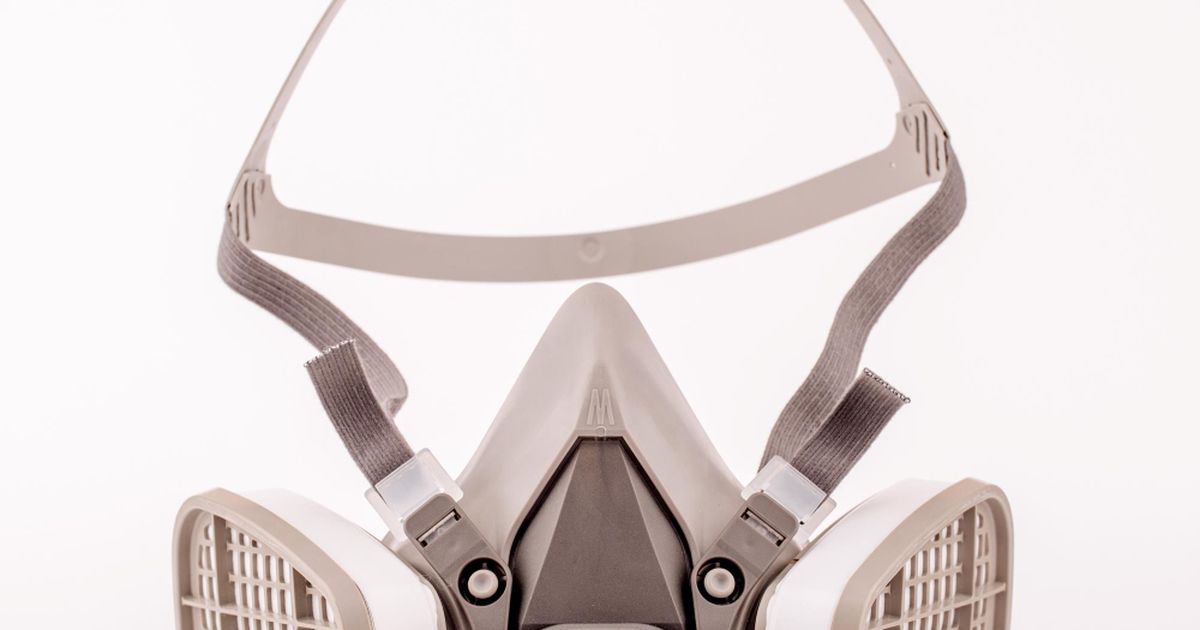
Fit Testing Questions Answered
When respirator fit testing is required, how often, qualitative vs. quantitative methods, and what OSHA expects — your questions answered by iSi.
Once you conduct an evaluation to determine what type of respirator your workers will be required to use to protect them from the contaminants around them, there are three general steps that come next: a medical evaluation to ensure they’re medically capable of wearing one, fit testing to determine which size most comfortably and accurately fits, and training. In this blog, we dive into the fit testing side.
⚡ TL;DR: Three steps for respirator compliance: medical evaluation → fit-testing → training. Fit-testing ensures a tight seal on the worker’s face—if the seal isn’t good, the respirator isn’t protective. Qualitative and quantitative methods both satisfy OSHA; both require documentation and annual re-testing.
Respirator fit testing is conducted on tight-fitting respirators to make sure the respirator gets a good seal on the employee’s face so that no contaminants will leak into the mask. iSi can help with respiratory protection questions and conduct both quantitative and qualitative fit-testing!
Frequently Asked Questions
Q: What are the three general steps required after determining a respirator type?
After conducting an evaluation to determine the required respirator type, the three general steps are: medical evaluation to ensure workers are medically capable of wearing the respirator, fit-testing to determine the correct size that provides an effective seal, and training on proper respirator use and maintenance. All three steps are required by OSHA to ensure proper respiratory protection.
⚠️ What’s at stake: A non-compliant respirator program exposes workers to inhalation hazards and creates OSHA citation exposure. Missing fit-testing, poor seal documentation, or improper training create $10K–$50K+ citations each. Respiratory illness claims from inadequate protection trigger workers’ comp claims, liability suits, and investigation scrutiny.
Q: What is the purpose of respirator fit-testing?
Respirator fit-testing ensures that tight-fitting respirators create a good seal on an employee’s face to prevent contaminants from leaking into the mask. Fit-testing identifies the correct size and model for each employee and verifies that the seal is adequate under the specific conditions of use, protecting workers from inhalation of hazardous substances.
Q: What happens if a respirator does not have a good seal after fit-testing?
If a respirator does not achieve a good seal during fit-testing, it is not protective and cannot be used. The employee must be re-tested with different sizes or models until a respirator is found that provides an effective seal. A poor-fitting respirator provides little to no protection against hazardous substances.
Q: Are there both qualitative and quantitative fit-testing methods?
Yes, OSHA allows both qualitative fit-testing (using sensory methods like taste or smell detection) and quantitative fit-testing (using particle counters or pressure measurements) to verify respirator seal adequacy. iSi Environmental provides both methods to meet OSHA respiratory protection requirements for tight-fitting respirators.
A respirator program without proper fit-testing isn’t a program—it’s a liability. Let iSi handle your fit-testing, tracking, and documentation.
💰 The cost of non-compliance: Respiratory protection program citation: $10K–$50K. Fit-testing violations: $10K–$25K per group. A facility with 25+ respirator users missing fit-testing faces $50K–$150K in penalties plus workers’ comp and liability exposure if respiratory illness develops.
Your workers depend on properly fitted respirators to breathe safely. iSi’s fit-testing program ensures seal adequacy, documents compliance, and handles annual scheduling so you don’t miss re-test deadlines.
We Plug In. You Level Up.