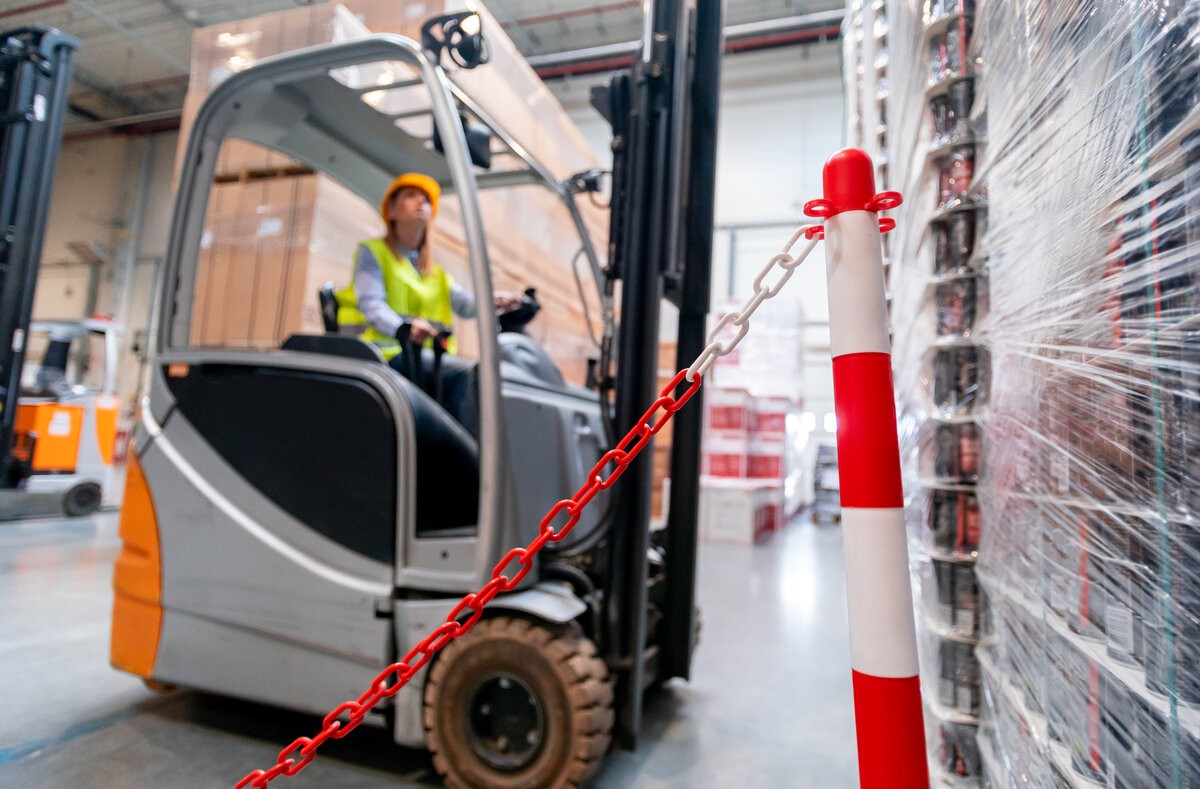
Is an OSHA Updated Forklift Standard on the Horizon?
OSHA is soliciting information on powered industrial vehicles to determine the need for an updated forklift standard is necessary.
OSHA is soliciting information on powered industrial vehicles to determine the need for an updated standard. The current standard was written in 1971, based on industry data from 1969. OSHA realizes that national consensus standards have been updated several times and rule updates may be needed.
TL;DR: OSHA’s 1971 forklift standard is outdated and facing potential federal revision. The agency is gathering data on vehicle types, maintenance practices, accident patterns, and retrofit costs. Powered industrial vehicle incidents rank in OSHA’s Top 10 violation categories annually, indicating widespread non-compliance. Updated standards could mandate new safety features, licensing, or maintenance protocols.
What’s at Risk: Facilities relying on decades-old forklift safety practices face escalating General Duty Clause citations and fines averaging $15,000–$50,000 per incident. Older equipment without modern safety features (load capacity indicators, seat belts, backup cameras) creates liability exposure. If OSHA issues formal rules, non-compliant facilities will face mandatory retrofits, retraining, and operational shutdowns until standards are met.
The term “powered industrial vehicle” refers to forklifts, fork and lift trucks, tractors, motorized hand trucks and other specialized industrial trucks that have an electrical or combustion engine.
OSHA is requesting information on types, age and usage of powered industrial vehicles in the workplace, maintenance and retrofitting, how to regulate older trucks, types of accidents and injuries in operating, and costs and benefit of retrofitting with safety features.
The agency is accepting comments electronically until June 10, 2019 at regulations.gov and from there, OSHA will be making a determination of what actions, if any, needs to be taken.
Powered industrial vehicle incidents are among OSHA’s Top 10 each year, and a number of OSHA regions currently have emphasis programs dedicated to them as well.
Don’t wait for new regulations to hit. Facilities operating older or under-maintained forklifts can reduce incident risk now through certified operator training, equipment maintenance audits, and safety protocol documentation. iSi Environmental conducts powered vehicle safety assessments, identifies retrofit opportunities, and prepares facilities for anticipated regulatory changes. Most warehouses and manufacturing sites can reduce forklift-related incidents by 40–60% through systematic hazard elimination and operator re-certification.
Frequently Asked Questions
Q: When was the current OSHA powered industrial vehicle standard written and why is an update needed?
The current OSHA standard for powered industrial vehicles (forklifts) was written in 1971 based on 1969 industry data. National consensus standards have been updated multiple times since 1971, and OSHA has recognized the need for updated regulatory standards to reflect current technology, safety practices, and industry experience.
Q: What types of vehicles does OSHA consider “powered industrial vehicles”?
Powered industrial vehicles include forklifts, fork and lift trucks, tractors, motorized hand trucks, and other specialized industrial trucks powered by electrical or combustion engines. All these vehicles fall under the same regulatory framework and must comply with OSHA’s powered industrial vehicle standard.
Q: What information has OSHA requested from industry regarding powered industrial vehicles?
OSHA has solicited information on the types, age, and usage patterns of powered industrial vehicles in workplaces, maintenance and retrofitting practices, regulatory approaches for older trucks, types of accidents and injuries associated with operation, and costs and benefits of retrofitting vehicles with modern safety features.
Q: Why are powered industrial vehicle incidents a priority for OSHA?
Powered industrial vehicle incidents are among OSHA’s Top 10 violation categories every year. Multiple OSHA regions currently have dedicated emphasis programs focused on powered industrial truck compliance. This indicates widespread compliance issues and significant injury and fatality rates requiring regulatory attention.
Forklift safety audits start at $900 for equipment inventory, operator training verification, and hazard identification. Full safety programs with operator recertification and equipment retrofit recommendations run $2,000–$5,000 depending on fleet size.
Need help with OSHA compliance and forklift safety before new federal standards? Contact iSi Environmental for a same-day response, or explore our OSHA services to see how we can help your facility.
We Plug In. You Level Up.