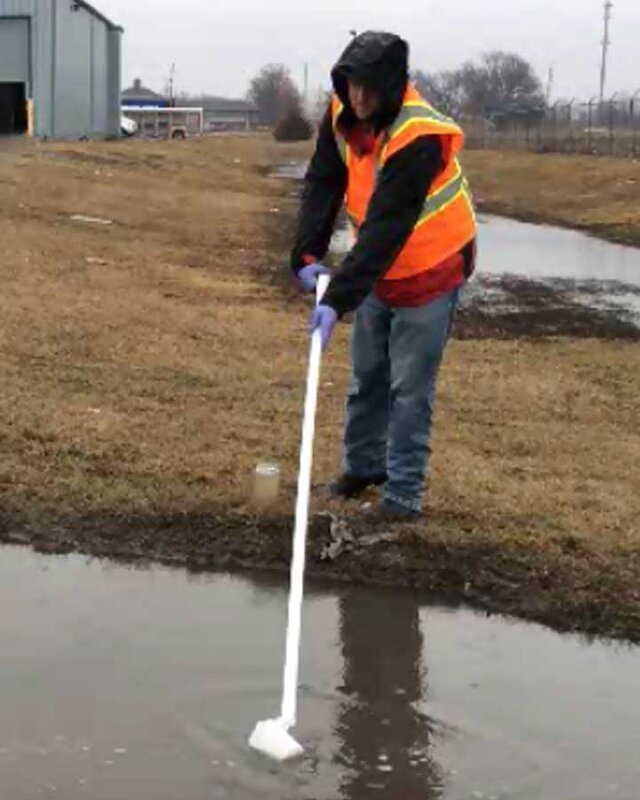
New Oklahoma Stormwater Regs Require NOI and SWP3 Updates
The Oklahoma Department of Environmental Quality (ODEQ) has replaced its Multi-Sector General Stormwater Permit with a new version which is effective Ju...
The Oklahoma Department of Environmental Quality (ODEQ) replaced its Multi-Sector General Stormwater Permit with a new version effective July 5, 2017. This permit governs stormwater activities of industrial facilities and introduced significant changes from the 2011 permit.
⚡ TL;DR: Oklahoma’s new industrial stormwater permit requires reauthorization. Any facility operating under the 2011 permit had 90 days (until October 3, 2017) to submit revised Notice of Intent (NOI) and updated Stormwater Pollution Prevention Plan (SWP3). Eight changes to SWP3 requirements, plus new monitoring obligations, mean most facilities need help auditing their current plans for compliance with the tighter rules.
Any company discharging stormwater from industrial activities must have ODEQ authorization. The new permit updated allowable/non-allowable activities, facility types, discharge limits, control measures, and corrective action procedures.
⚠️ The Pain: Missed deadlines on stormwater permit updates = operating without authorization. Unauthorized discharge is a Clean Water Act violation with fines ($5,000–$50,000+ per day) plus administrative orders requiring expensive corrective action. Most facilities we audit find their old SWP3s don’t meet the new documentation standards, leaving them vulnerable to enforcement even if they filed on time.
Two new monitoring requirements now apply: impaired waters monitoring (annually) and additional monitoring (ODEQ can mandate site-specific testing). Eight structural changes to SWP3 requirements now mandate:
- Detailed description of control measure types and locations
- Documentation of why each control measure was selected
- Evaluation of unauthorized non-stormwater discharge risks
- Facility certification of plan adequacy
Most industrial facilities we audit in Oklahoma haven’t updated their SWP3s for the eight new required elements. This isn’t just a paperwork gap—it’s a compliance exposure waiting for a water quality event to trigger enforcement. A single reportable stormwater discharge to impaired waters, combined with an outdated SWP3, creates liability that extends beyond fines into third-party wetlands damage claims.
For information on the 26 overall changes, help determining regulatory impact, or assistance updating your SWP3, contact our team.
Frequently Asked Questions
💰 Oklahoma industrial stormwater SWP3 audits and NOI updates typically cost $1,500–$3,500; full SWP3 development or revision ranges $2,500–$5,000 depending on site complexity and number of discharge points.
Q: What is a Multi-Sector General Stormwater Permit and who needs one in Oklahoma?
A Multi-Sector General Stormwater Permit is issued by the Oklahoma Department of Environmental Quality (ODEQ) under the EPA’s NPDES (National Pollutant Discharge Elimination System) program and covers stormwater discharges from industrial activities. Industrial facilities in Oklahoma that discharge stormwater from operations must obtain authorization under the current ODEQ permit before discharging.
Q: What is a Stormwater Pollution Prevention Plan (SWP3) and what does it require?
A Stormwater Pollution Prevention Plan (SWP3) is a detailed document that outlines how a facility will prevent stormwater contamination from industrial activities. The updated Oklahoma permit requires SWP3s to describe control measures, document site-specific control measure selection rationale, identify and evaluate unauthorized non-stormwater discharges, and include facility certification of compliance.
Q: What is a Notice of Intent (NOI) and how does it relate to stormwater permitting?
A Notice of Intent (NOI) is the application document submitted to ODEQ to request authorization under the stormwater general permit. Oklahoma facilities authorized under the previous 2011 permit had 90 days to submit revised NOIs and updated SWP3s for reauthorization under the new 2017 permit effective July 5, 2017.
Q: What monitoring requirements apply to industrial stormwater discharges in Oklahoma?
Industrial facilities with stormwater permits in Oklahoma must conduct annual impaired waters monitoring to assess whether discharges affect water quality. ODEQ may also require additional site-specific monitoring based on facility operations, discharge characteristics, and local water quality conditions in the Oklahoma region.
We Plug In. You Level Up.