OSHA Delays Enforcement of Certain Portions of Beryllium Standard
OSHA has made some changes to enforcement dates for its beryllium standard.
OSHA has implemented a phased enforcement schedule for its Beryllium Exposure Standard, reflecting the standard’s complexity and the different readiness timelines across general industry, construction, and maritime sectors. Some provisions took effect immediately in May 2018; others were delayed to December 2018; and construction/maritime enforcement has been indefinitely postponed pending further regulatory development.
⚡ In short: As of May 11, 2018, OSHA enforces beryllium permissible exposure limits (PELs), exposure assessment, respiratory protection, and medical surveillance in general industry. Additional general industry requirements for changing rooms and engineering controls are enforced on staggered timelines (March 2019 and March 2020). Construction and maritime beryllium provisions (except PELs) have been delayed indefinitely. If your facility produces, handles, or recycles beryllium-containing materials, you are likely subject to at least the May 2018 enforcement phase.
Understanding the Beryllium Standard’s Enforcement Timeline
The Beryllium Exposure Standard reflects OSHA’s recognition that beryllium — a lightweight, high-strength metal used in aerospace, defense, electronics, and metal recycling — poses serious occupational health hazards. Inhaling beryllium dust or fumes causes chronic beryllium disease (CBD), an incurable, progressive lung disease. The standard sets mandatory exposure limits and requires a comprehensive occupational health program.
OSHA phased enforcement to give facilities time to implement exposure assessment and medical surveillance programs before full compliance was required.
Currently Enforced: May 11, 2018 Forward
These requirements are in effect for general industry facilities:
- Permissible Exposure Limits (PELs): Beryllium concentration limits for air, surface contamination, and worker exposure in general industry, construction, and shipyard operations
- Exposure Assessment: General industry facilities must conduct exposure assessments to determine which workers are exposed and at what levels
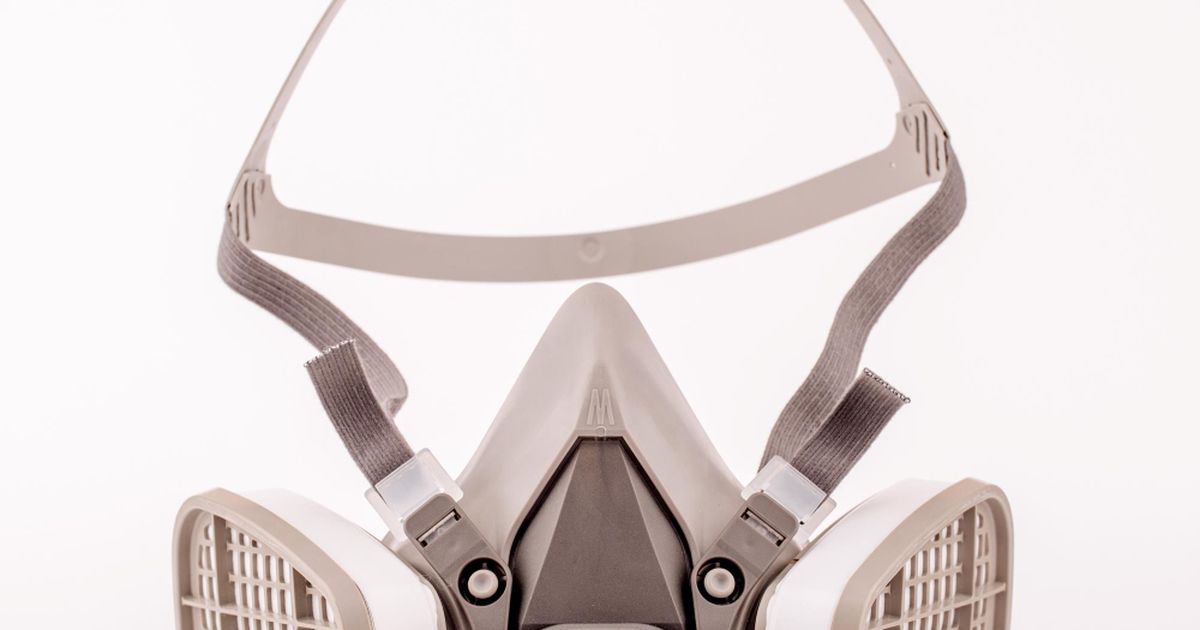
- Respiratory Protection Program: Facilities must implement respiratory protection for workers whose exposure exceeds the PEL
- Medical Surveillance: Facilities must provide initial and periodic medical evaluations (baseline, biennial, and exit exams) for exposed workers, including beryllium lymphocyte proliferation test (BeLPT) and beryllium dermal patch testing
These provisions apply to any facility where beryllium dust or fumes may be generated or where beryllium-containing materials are handled.
Delayed Enforcement: December 12, 2018
The remaining general industry provisions were delayed to December 12, 2018:
- Engineering controls (ventilation, containment, process modifications)
- Administrative controls (job rotation, work practices)
- Hazard communication and labeling requirements
- Written Beryllium Compliance Program documentation
This delay provided an additional seven months for facilities to evaluate engineering controls and develop written compliance programs.
Indefinitely Delayed: Construction and Maritime
For construction and shipyard operations, OSHA has indefinitely postponed enforcement of all beryllium provisions except the Permissible Exposure Limits. This reflects OSHA’s acknowledgment that construction environments present unique challenges to beryllium exposure assessment and control. However, the PEL limits remain in effect — facilities cannot exceed exposure limits even if other provisions are not yet enforced.
Critical Action Items for Beryllium-Handling Facilities
If your facility manufactures products containing beryllium, recycles beryllium scrap, performs aerospace or defense manufacturing, engages in dental work with beryllium alloys, or conducts any operations where beryllium dust may be released, you must take these steps immediately: Conduct an exposure assessment to identify which employees are exposed and at what levels; establish a baseline medical surveillance program (initial medical exams and BeLPT testing); implement or upgrade your respiratory protection program if engineering controls cannot fully control exposure; and establish a written Beryllium Compliance Program.
💰 What a beryllium citation looks like: OSHA serious violations for beryllium standard non-compliance typically run $8,000–$16,550 per violation depending on whether exposure controls are in place. Willful violations (knowing failure to implement required medical surveillance or respiratory protection) can reach $165,514. Most facilities can address the May 2018 enforcement phase (exposure assessment and medical surveillance) through a combination of industrial hygiene testing, occupational health program setup, and employee training. The cost of compliance is substantially less than the cost of a citation — or worse, an employee developing occupational beryllium disease.
Frequently Asked Questions
Q: What is beryllium and why does OSHA have a specific exposure standard for it?
Beryllium is a lightweight, high-strength metal used in aerospace, defense, electronics, dental alloys, and metal recycling industries. Inhaling beryllium dust or fumes causes chronic beryllium disease (CBD), an incurable lung condition that affects workers sensitized to the metal. OSHA’s beryllium standard limits occupational exposure and requires comprehensive medical surveillance to protect workers and detect early sensitization before CBD develops.
Q: What are OSHA’s permissible exposure limits for beryllium?
OSHA’s beryllium standard establishes specific PELs for beryllium in air (measured in micrograms per cubic meter) across general industry, construction, and shipyard operations. The standard also sets surface contamination limits. Facilities must measure and document worker exposure against these limits, implement engineering controls where necessary, and provide respiratory protection if engineering controls cannot fully control exposure below the PEL.
Q: What enforcement phases apply to my facility as of May 2018?
General industry facilities handling beryllium must immediately comply with permissible exposure limits, conduct exposure assessments, provide respiratory protection, and implement medical surveillance (medical exams and BeLPT testing). Additional requirements for engineering controls and written compliance programs are enforced beginning December 12, 2018. Construction and maritime facilities must comply with PELs but have no other enforcement obligations at this time.
Q: Which facilities need to comply with OSHA’s beryllium standard?
Facilities that manufacture products containing beryllium, recycle beryllium-containing materials, perform aerospace or defense manufacturing, engage in dental work with beryllium alloys, or conduct any operations where beryllium dust or fumes are released must determine exposure levels and implement beryllium exposure control programs meeting OSHA standards.
Q: What is a beryllium lymphocyte proliferation test (BeLPT) and why is it required?
A BeLPT is a blood test that measures whether a worker’s immune system has developed sensitivity to beryllium. The test is a cornerstone of occupational beryllium disease prevention because it can identify sensitization before CBD develops. OSHA requires baseline (initial) BeLPT testing and periodic re-testing for all workers exposed to beryllium above the action level.
Need help establishing a beryllium exposure assessment, medical surveillance program, or written compliance program? iSi Environmental provides industrial hygiene consulting and exposure monitoring to support facilities implementing the beryllium standard. Get a compliance assessment →
We Plug In. You Level Up.
Frequently Asked Questions
Q: What is beryllium and why does OSHA have a specific exposure standard for it?
Beryllium is a lightweight, strong metal used in aerospace, defense, electronics, dental work, and metal recycling industries. OSHA’s beryllium standard limits occupational exposure because inhaling beryllium dust or fumes causes chronic beryllium disease (CBD), an incurable lung disease affecting workers who are sensitized to the metal. The standard establishes permissible exposure limits and medical surveillance requirements.
Q: What are OSHA’s permissible exposure limits for beryllium?
OSHA’s beryllium standard establishes permissible exposure limits (PELs) for beryllium in general industry, construction, and shipyard operations. The standard requires facilities using beryllium to measure worker exposure against these limits, implement engineering controls, provide respiratory protection when engineering controls are insufficient, and conduct medical surveillance for workers exposed above action levels.
Q: What were the enforcement timeline changes for OSHA’s beryllium standard?
OSHA phased enforcement of the beryllium standard: permissible exposure limits began enforcement on May 11, 2018, with general industry medical surveillance and respiratory protection requirements also in effect; remaining general industry provisions moved to December 12, 2018. Construction and maritime industries receive different enforcement timelines, with OSHA delaying enforcement of non-PEL provisions for these sectors.
Q: Which facilities need to comply with OSHA’s beryllium standard?
Facilities that manufacture products containing beryllium, recycle beryllium-containing materials, perform aerospace or defense manufacturing, engage in dental work with beryllium alloys, or conduct any operations where beryllium dust or fumes may be released must determine exposure levels and implement beryllium exposure control programs meeting OSHA requirements.
Need help with osha compliance? Contact iSi Environmental for a same-day response, or explore our osha services to see how we can help your facility.