Recognize the Signs of Heat Illness
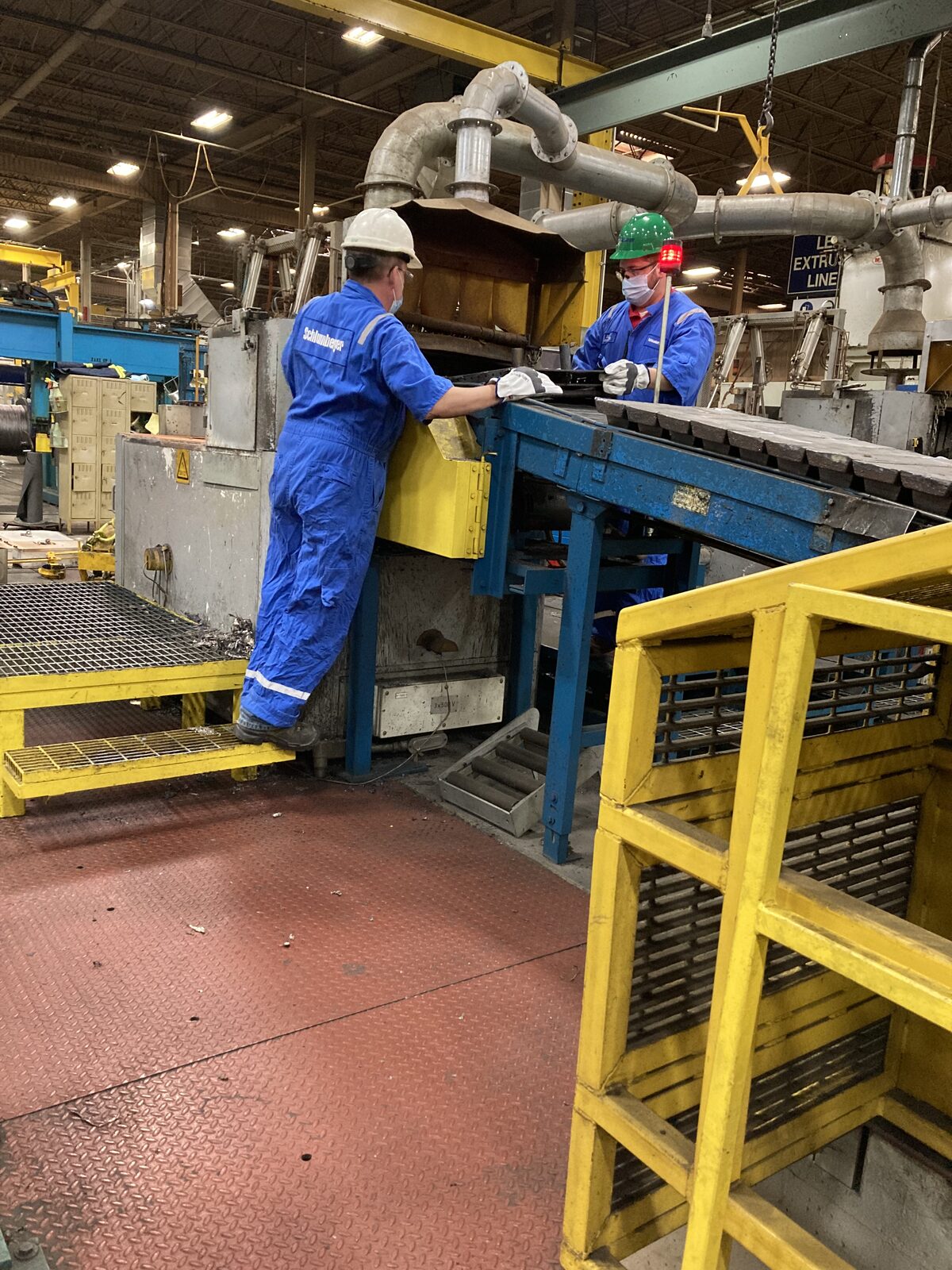
Hot working conditions can bring increased risks of heat illness, especially when heat-producing equipment is used.
Heat illness kills workers. It’s preventable, yet OSHA continues to cite facilities for inadequate heat safety planning during summer months. The difference between a worker going home safe or collapsing comes down to supervisor preparedness and rapid response.
⚡ TL;DR: Heat stroke is a medical emergency requiring immediate 911 call. Heat exhaustion precedes it—recognize the signs: heavy sweating, cold clammy skin, weak pulse, nausea, dizziness. OSHA requires supervisors to have heat illness prevention plans with unlimited water access, rest breaks, and worker monitoring. Heat Index values above 90°F trigger mandatory protocols.
Hot working conditions can bring increased risks of heat illness, especially when heat-producing equipment is used. The most important thing to remember about a person suffering from heat illness is to get them out of the heat ASAP.
⚠️ Why Plans Matter: Heat illness cases are recordable on OSHA 300 logs and trigger potential investigation. Supervisors without documented heat illness plans face willful violation citations costing $165,514+. Beyond compliance, untreated heat exhaustion escalates to heat stroke—permanent brain damage, organ failure, or death. The low cost of prevention (hydration stations, shaded rest areas, monitoring) contrasts sharply with the cost of emergency response and liability.
Heat rash appears as clusters of red bumps. Heat cramps bring pain or spasms to muscles. Heat exhaustion occurs when the body can’t cool down — watch for heavy sweating, cold clammy skin, fast weak pulse, nausea, headache, weakness, dizziness, fainting, and muscle cramps. Heat stroke is the most serious — watch for red hot dry skin, fast strong pulse, nausea, throbbing headache, high body temperature, confusion, and losing consciousness. Call 911 immediately for heat stroke.
Maintaining hydration is important. OSHA recommends drinking small amounts of cool water often; 4 cups every hour during high heat index values. It’s the supervisor’s duty to have a plan in place during days of extreme heat.
Frequently Asked Questions
Q: What are the signs and symptoms of heat exhaustion?
A: Heat exhaustion occurs when the body can’t cool down properly and manifests as heavy sweating, cold clammy skin, fast weak pulse, nausea, headache, weakness, dizziness, fainting, and muscle cramps. Heat exhaustion is serious and workers should be moved to a cool area immediately, given water, and monitored until symptoms subside.
Q: What is the difference between heat exhaustion and heat stroke?
A: Heat stroke is the most severe form of heat illness and is a medical emergency. Signs include red hot dry skin, fast strong pulse, nausea, throbbing headache, high body temperature, confusion, and loss of consciousness. Heat stroke requires immediate emergency response (call 911), whereas heat exhaustion requires cooling measures and hydration.
Q: What are the OSHA recommendations for worker hydration during extreme heat?
A: OSHA recommends drinking small amounts of cool water frequently, totaling approximately 4 cups every hour during high heat index values. Regular hydration prevents dehydration and helps maintain the body’s ability to cool itself, reducing the risk of heat exhaustion and heat stroke.
Q: What is the supervisor’s responsibility during extreme heat days?
A: Supervisors must have a heat illness prevention plan in place on days of extreme heat that includes providing unlimited access to cool water, implementing rest breaks in shaded areas, monitoring workers for heat illness symptoms, and being prepared to respond immediately to heat-related illness with first aid and emergency care when necessary.
Q: What should be included in a facility-wide heat illness prevention plan?
A: A comprehensive plan should include: (1) identification of high-risk work areas and tasks, (2) designated hydration stations and break areas, (3) monitoring and symptom recognition protocols, (4) communication procedures for reporting illness, (5) emergency response procedures including 911 notification, (6) supervisor training on recognizing stages of heat illness, (7) acclimatization schedule for new or returning workers, and (8) documentation and recordkeeping for heat-related incidents.
💰 Cost of Non-Compliance: A single recordable heat illness case triggers potential OSHA investigation and willful violation citations ($165,514). Heat stroke death claims generate workers’ compensation settlements of $500,000+, plus potential criminal negligence charges against supervisors. A documented, practiced heat illness plan costs a few hundred dollars; the alternative is catastrophic.
Need help with osha compliance? Contact iSi Environmental for a same-day response, or explore our osha services to see how we can help your facility.
We Plug In. You Level Up.