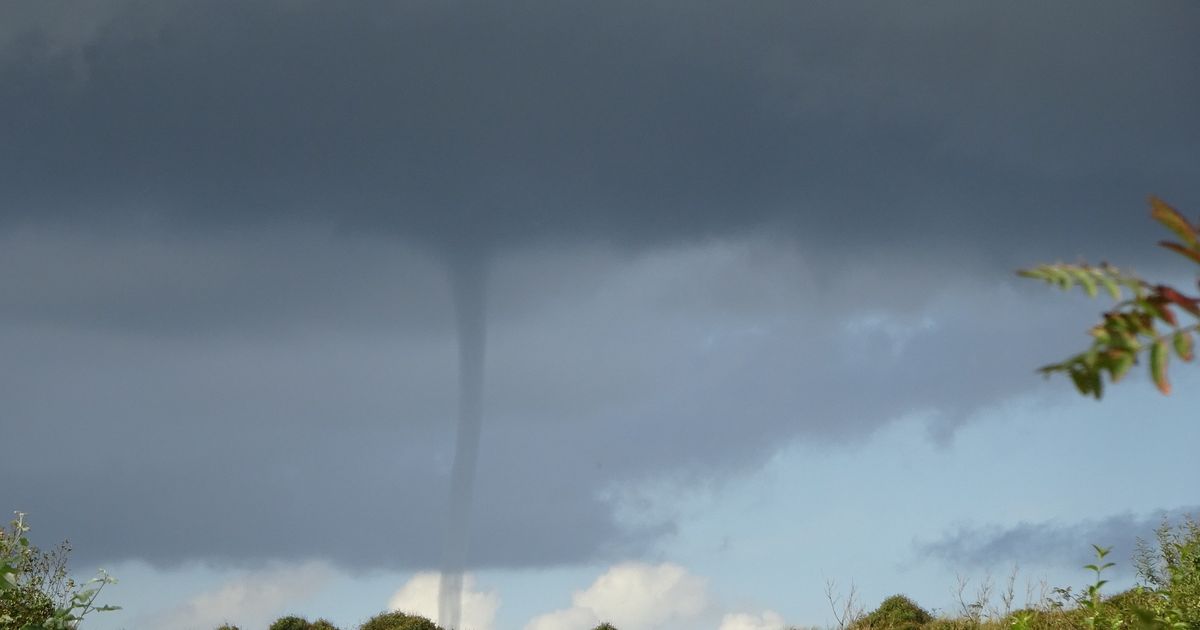
Severe Weather — Tornadoes
Tornadoes are violent storms that don't only strike in the traditional "Tornado Alley" region of the U.S. The southeastern part of the U.S.
Tornadoes are violent storms that don’t only strike in the traditional “Tornado Alley” region of the U.S. The southeastern part of the U.S. is starting to experience many more tornadoes over the past few years.
⚡ TL;DR: Tornado Watch = alert status. Tornado Warning = tornado sighted or imminent, seek shelter immediately. Tornado Emergency = catastrophic potential, life-threatening situation. Best shelter: lowest floor, interior rooms without windows (bathrooms ideal). Mobile homes: evacuate immediately. Vehicles: stop and find a building; if stuck, hide in a ditch (not under an overpass).
⚠️ The Pain: Most workers don’t take tornado warnings seriously until they see a funnel cloud. By then, it’s too late. Facilities without a tornado plan and designated shelter areas put workers at severe risk. A shelter plan costs nothing to develop but saves lives during severe weather events that can strike with little warning.
Watch vs. Warning vs. Emergency
A Tornado Watch means conditions are favorable and you should stay alert. A Tornado Warning means a tornado has been sighted or is imminent. A Tornado Emergency is the highest and rarest of warnings meaning a tornado is in progress with catastrophic potential.
What to Do
Get inside. Head to the lowest floor. Put as many barriers between you and the windows as possible. Bathrooms without windows or outside walls are good because they are small and the plumbing adds structural strength. If you live in a mobile home, evacuate.
On the Road
Vehicles are amongst the last places you want to be in a tornado. If possible, stop and find a building to seek shelter in. If stuck, seek shelter in a ditch as a last resort. Do not hide under an overpass.
Your facility should have a tornado plan in place before severe weather season arrives. Identify shelter locations (interior rooms, bathrooms, below-ground areas), establish a communication chain so everyone knows what to do, and conduct a simple drill at the start of each severe weather season. Don’t wait for a warning to figure out where your people should go. Five minutes of planning today prevents panic and injury during an emergency.
Frequently Asked Questions
Q: What is the difference between a Tornado Watch, Warning, and Emergency?
A: A Tornado Watch means atmospheric conditions are favorable for tornado formation and workers should stay alert. A Tornado Warning indicates a tornado has been sighted or is imminent, requiring immediate shelter. A Tornado Emergency is the highest warning level, indicating a tornado is in progress with catastrophic potential—requiring immediate, urgent action.
Q: Where do tornadoes occur in the United States?
A: While tornadoes have traditionally struck the Midwest region known as “Tornado Alley,” recent years have seen increasing tornado activity in the southeastern United States. Tornadoes are not limited to traditional regions and can develop wherever atmospheric conditions create the necessary supercell thunderstorms.
Q: What shelter locations are most effective during a tornado?
A: The lowest floor of a building provides the best protection, with bathrooms without windows or external walls being ideal due to their small size and reinforced plumbing infrastructure. Windows should be avoided and multiple barriers should be placed between occupants and exterior walls. Mobile home residents should evacuate immediately.
Q: What is the safest action if caught in a vehicle during a tornado?
A: Stop the vehicle and evacuate to find a sturdy building for shelter if possible. If no building is available, seek shelter in a ditch as a last resort. Vehicles are among the most dangerous places to be during a tornado, and hiding under an overpass is not effective protection and should be avoided.
💰 Emergency Plan Development: Developing a tornado/severe weather plan costs $500–$2,000 (usually less—many facilities use free templates). A tornado-related injury or fatality can cost $100,000–$10,000,000+ in medical expenses, OSHA fines, and litigation. Preventive planning is the best investment.
We Plug In. You Level Up.
Need help with environmental, safety, and industrial hygiene compliance? Contact iSi Environmental for a same-day response, or explore our environmental, safety, and industrial hygiene services to see how we can help your facility.