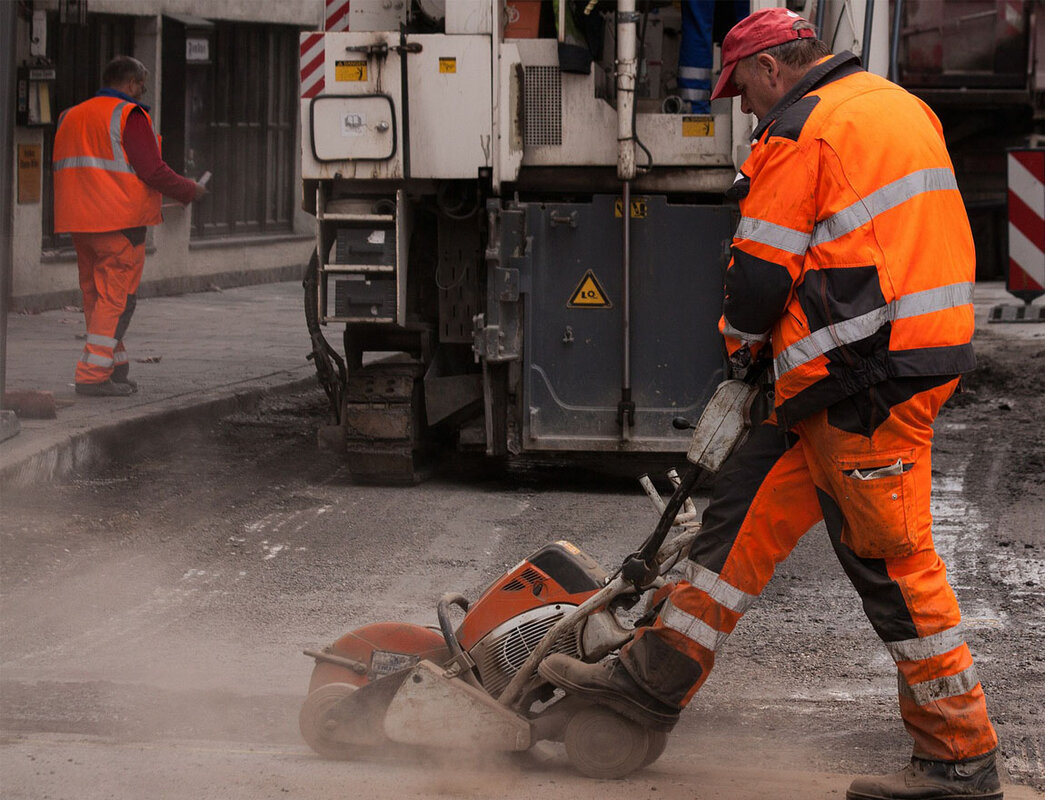
Silica Rule Enforcement: OSHA Giving 'Good Faith Efforts' a 30 Day Extension
View our free webinar to determine how these regulations apply to your organization.OSHA's new Silica in Construction Rule (29 CFR 1926.1153) went into ...
View our free webinar to determine how these regulations apply to your organization.
⚡ TL;DR: OSHA’s Silica in Construction Rule (29 CFR 1926.1153) went into effect September 23, 2017, and includes a 30-day good faith compliance window (Sept 23–Oct 23). Employers demonstrating genuine compliance efforts face assistance, not citations. After that date, full enforcement applies. Comply using Table 1 dust control methods to avoid air sampling and PEL monitoring.
⚠️ The Pain: Silica exposure is one of OSHA’s most actively enforced hazards. Construction companies cutting corners with dust control face substantial fines plus potential OSHA Hazard Alert escalation. Workers exposed to silica develop silicosis, an incurable lung disease that costs companies in workers’ comp claims, lawsuits, and reputation damage.
OSHA’s new Silica in Construction Rule (29 CFR 1926.1153) went into effect on September 23, 2017. For most regulations, this is typically the day the agency can start enforcing the rule and issuing citations.
Because of the way the rule is structured, with the Table 1 approach, OSHA’s instructed its regional administrators to take employers’ good faith efforts into account when conducting inspections over the next 30 days.
This means if you are required to comply with the new rule, and making an effort to come into compliance, OSHA will likely use any potential violations as an opportunity for assistance and outreach rather than enforcement. This will occur for 30 days, or until October 23, 2017.
After that time, inspection and citation directives will be finalized and the rule will be fully enforced. If OSHA finds your company is NOT trying to comply yet, they will be conducting air exposure monitoring of your site, and you will be eligible for citations.
Any citations issued before October 23, 2017 will need to be reviewed by OSHA’s National Office.
If your construction company works with concrete, stone, mortar, or other silica-containing materials, you need a written exposure control plan now. The Table 1 method (using prescribed dust control techniques for specific tasks) is the easiest compliance pathway and avoids expensive air sampling. Construction companies that have invested in dust control systems and worker training before OSHA inspections avoid major citations and operational shutdowns.
Are you making a good faith effort right not? What do you need to be working on to comply with the standard? Watch our free silica in construction webinar!
Frequently Asked Questions
Q: What is OSHA’s “good faith effort” extension for silica rule enforcement?
A: OSHA granted a 30-day good faith effort period (September 23 - October 23, 2017) during which regional administrators were instructed to prioritize assistance and outreach over enforcement for companies demonstrating genuine compliance efforts. During this period, OSHA treated potential violations as opportunities for technical assistance rather than citations.
Q: How does OSHA’s Table 1 approach affect silica rule compliance?
A: OSHA’s Table 1 in the silica construction standard (29 CFR 1926.1153) lists common construction tasks with required dust control methods. If employers follow Table 1 guidance, they avoid exposure sampling and PEL requirements. This approach provides a simpler compliance pathway compared to the general industry silica standard with its monitoring thresholds.
Q: What happens after the good faith effort period expires?
A: After October 23, 2017, OSHA’s inspection and citation directives were finalized and the rule was fully enforced. Companies not making compliance efforts became subject to air exposure monitoring, and OSHA issued citations to non-compliant facilities. Any citations issued during the good faith period required review by OSHA’s National Office.
Q: What should construction companies do to demonstrate good faith compliance with the silica rule?
A: Companies should develop a written exposure control plan, implement Table 1 dust control procedures for their specific tasks, provide training to workers, conduct medical surveillance when required, and maintain documentation of compliance efforts. iSi Environmental can help construction companies develop and implement silica compliance programs.
💰 Silica Compliance Investment vs. Risk: A comprehensive silica exposure control plan (including dust control system implementation and worker training) costs $10,000–$50,000 depending on scope. A single OSHA violation for silica non-compliance averages $15,000–$150,000 in fines, plus potential litigation costs if a worker develops silicosis ($250,000–$2,000,000+ in damages). Prevention is significantly cheaper.
Need help sorting out these new silica requirements? Let iSi help! for Silica Assistance iSi’s OSHA Compliance Services
We Plug In. You Level Up.
Need help with osha compliance? Contact iSi Environmental for a same-day response, or explore our osha services to see how we can help your facility.