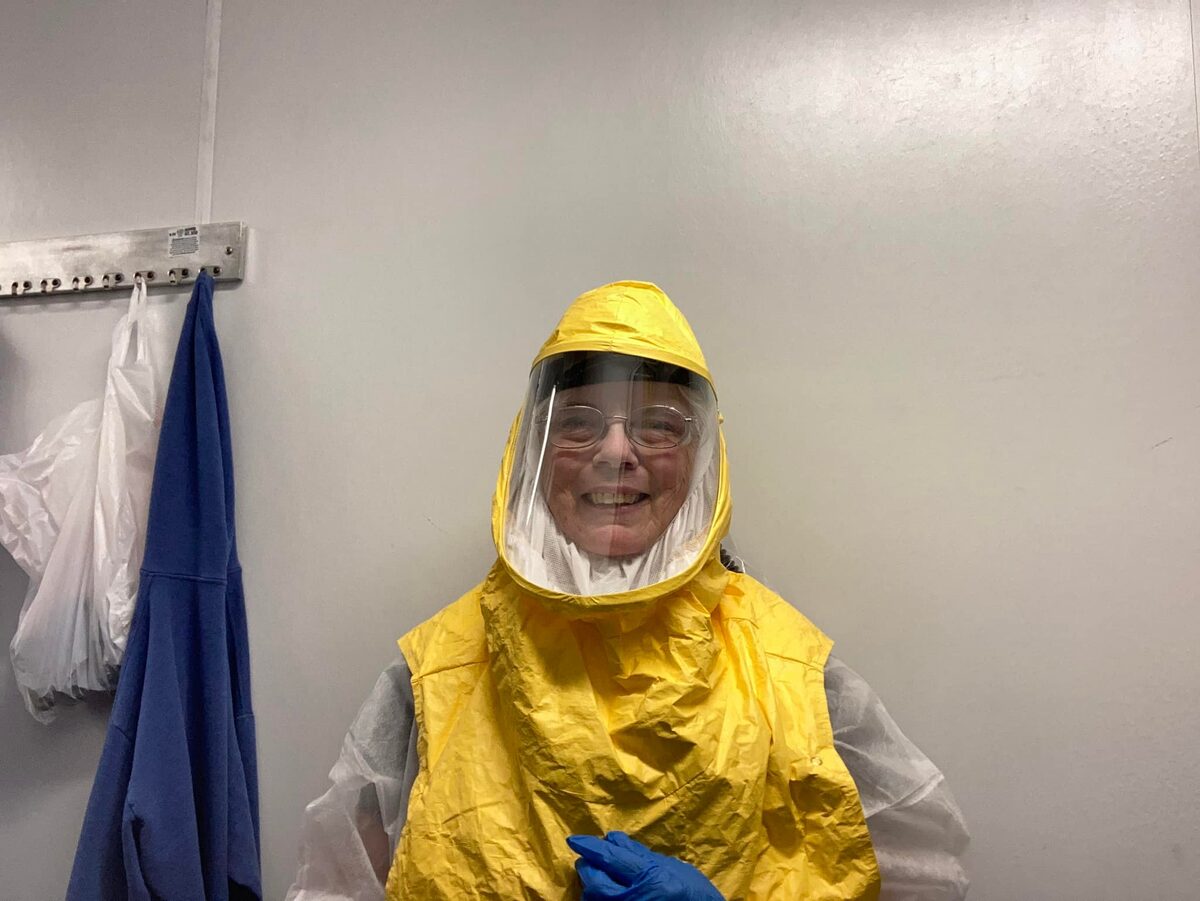
The Importance of Understanding the REAL Ramifications of Disinfecting Your Workplace
With all things COVID-19 impacting our businesses, researching immediate actions to understand their impacts is critical.
With all things COVID-19 impacting our businesses, researching immediate actions to understand their impacts is critical. It’s important to know which cleaning compounds work in what situations, the impact to the materials they’ll be cleaning, and the potential hazards they may cause those workers applying them.
⚡ TL;DR: EPA-approved disinfectants vary widely in effectiveness and hazards. Some corrode metals. Others require respiratory protection. Using the wrong product on the wrong surface risks worker injury and equipment damage, even if the product is on EPA’s list.
EPA-Approved Products
Cleaning removes dirt and impurities but does not kill microorganisms. Sanitizing reduces organisms by 99.9% effectiveness. Disinfecting kills organisms at 100% effectiveness. Both sanitizers and disinfectants are regulated by the EPA and must be applied according to label instructions.
⚠️ The Pain Point: Choosing a disinfectant based on “EPA-approved” label alone without checking material compatibility or worker safety data is like buying a drug because it’s FDA-approved—without reading whether it’s for your condition. You might solve the contamination problem while creating worker exposures or equipment damage.
How Will What You Are Cleaning Be Affected?
All cleaners do not work with all materials. Softer metals such as aluminum and copper have higher possibility of corrosion or discoloration with certain disinfectants. Make sure you’re applying the disinfectant per the product’s label and directions. Test on a small area first if you’re uncertain. Some facilities have learned the hard way that their cleaning equipment—aluminum ductwork, copper piping, stainless steel fixtures—was damaged by a disinfectant they didn’t realize was corrosive.
How Will the Person Doing the Disinfecting Be Affected?
This is where the SDS (Safety Data Sheet) becomes critical. Get the Safety Data Sheets and really read them. What kind of PPE will be needed? Is respiratory protection required? How will it affect the atmosphere and air quality? Some disinfectants produce fumes that require ventilation or can cause respiratory irritation. Workers need to know this before they start spraying.
Many facilities skip the SDS reading step or delegate it to someone without occupational health knowledge. That’s how exposure incidents happen. The person applying the disinfectant should have hands-on understanding of the hazards before starting work.
Choosing the Right Product for Your Situation
Not all EPA-approved disinfectants are equivalent for your facility. You need to:
- Match the product to the pathogen you’re targeting (COVID-19, flu, other)
- Verify material compatibility with your facility’s surfaces
- Confirm worker safety requirements (PPE, ventilation, exposure limits)
- Follow application instructions exactly (contact time, dilution, temperature)
Shortcuts in this process create liability. If a worker is injured because you chose a disinfectant without checking respiratory hazards, or if equipment is damaged because the product corroded materials you didn’t test, you’re liable.
💰 The Cost Calculation: EPA-approved disinfectants range from $10–50 per gallon. Hiring an occupational health consultant to assess your facility and recommend the right product-to-surface pairing costs $1,000–3,000. The alternative—worker injury from unprotected exposure or equipment damage requiring replacement—costs exponentially more in workers’ comp claims, equipment replacement, and operational downtime.
Frequently Asked Questions
Q: What is the difference between cleaning, sanitizing, and disinfecting?
Cleaning removes dirt and impurities but does not kill microorganisms. Sanitizing reduces organisms by 99.9% effectiveness. Disinfecting kills organisms at 100% effectiveness. Both sanitizers and disinfectants are regulated by the EPA and must be applied according to label instructions to ensure safety and effectiveness.
Q: Can I use any disinfectant on all materials and surfaces?
Not all disinfectants are compatible with all materials. Certain EPA-approved disinfectants can cause corrosion or discoloration on softer metals such as aluminum and copper. Always consult product labels and facility-specific guidance to ensure disinfectants won’t damage equipment or surfaces while effectively reducing pathogen contamination.
Q: What are the worker safety requirements when using EPA-approved disinfectants?
Workers applying disinfectants must understand the Safety Data Sheet (SDS) requirements for personal protective equipment, ventilation, and exposure controls. Different disinfectants have different hazard profiles—some require respiratory protection, chemical-resistant gloves, or specific air quality monitoring in confined spaces.
Q: How should facilities handle disinfection during pandemic response protocols?
iSi Environmental recommends facilities assess both pathogen reduction effectiveness and worker safety when selecting disinfectants. EPA-approved products, proper PPE selection based on SDS requirements, adequate ventilation, and worker training on hazardous chemical handling are essential components of safe workplace disinfection protocols.
Need help selecting the right disinfection strategy for your facility or evaluating worker safety during chemical disinfection? Contact iSi Environmental for a same-day response, or explore our environmental compliance services to see how we help facilities choose safe, effective disinfection protocols. We Plug In. You Level Up.