The Ultimate Guide To Asbestos Abatement
The Ultimate Guide To Asbestos Abatement: Everything You Need To Know This guide will take you step by step through the process of asbestos abatement, f...
The Ultimate Guide To Asbestos Abatement: Everything You Need To Know This guide will take you step by step through the process of asbestos abatement, from finding asbestos to safely removing it and disposing of it. You’ll also learn about industrial hygiene and health physics, which are essential to keeping workers safe.
⚡ TL;DR: Asbestos is a carcinogenic mineral found in thousands of building materials and products. Professional abatement requires licensed contractors, specialized PPE, and strict OSHA/EPA compliance. Do not attempt removal without proper training, licensing, and air monitoring.
What is asbestos? Asbestos is a naturally occurring mineral fiber that was once used in approximately 3,000 different products. Asbestos has been linked to various diseases. The most common of these are lung cancer and mesothelioma. Asbestos cannot be smelled or seen.
⚠️ What’s at stake: Improper asbestos handling can release fibers that cause mesothelioma, lung cancer, and asbestosis in workers and building occupants. Facilities that fail to identify, manage, or safely remove asbestos face OSHA violations, EPA penalties, and significant civil litigation liability if workers or residents develop asbestos-related diseases.
How do you know if you have asbestos in your building? A common place where asbestos is found is insulation. Asbestos was used as an insulator in older homes and buildings because of its effectiveness in keeping heat inside. It’s also found in many types of floor tile, linoleum, transite siding, window glazing, fire doors, fireproofing materials, popcorn ceiling coatings and other materials. There are a number of signs that indicate that you have asbestos present in your building. You should be aware of these warning signs to prevent any potential problems. One of the main problems with asbestos is that it gets airborne easily, so it can end up on any surface of your home or business. If you see signs that your building has asbestos, it is important to contact a professional. The first and easiest thing you should do is test the area for asbestos fibers to ensure that proper precautions are taken to keep you and those around you safe. Is it safe to remove asbestos yourself? Asbestos is a dangerous material, and for good reason. It’s responsible for thousands of deaths each year and is a leading cause of lung cancer. Asbestos can be found in homes, schools and businesses all over the country. Even though it’s a dangerous substance, there are instances when it’s safe to remove asbestos yourself provided you have the proper training and/or licensing to do so. Businesses are required to follow OSHA and EPA guidelines for working with asbestos. Homeowners have no regulations that govern removal.
Is your facility aware of asbestos-containing materials in its buildings? iSi’s asbestos abatement team helps manufacturing facilities, schools, hospitals, and commercial properties conduct comprehensive asbestos surveys, implement safe removal protocols, and ensure OSHA/EPA compliance throughout the abatement process. Get started →
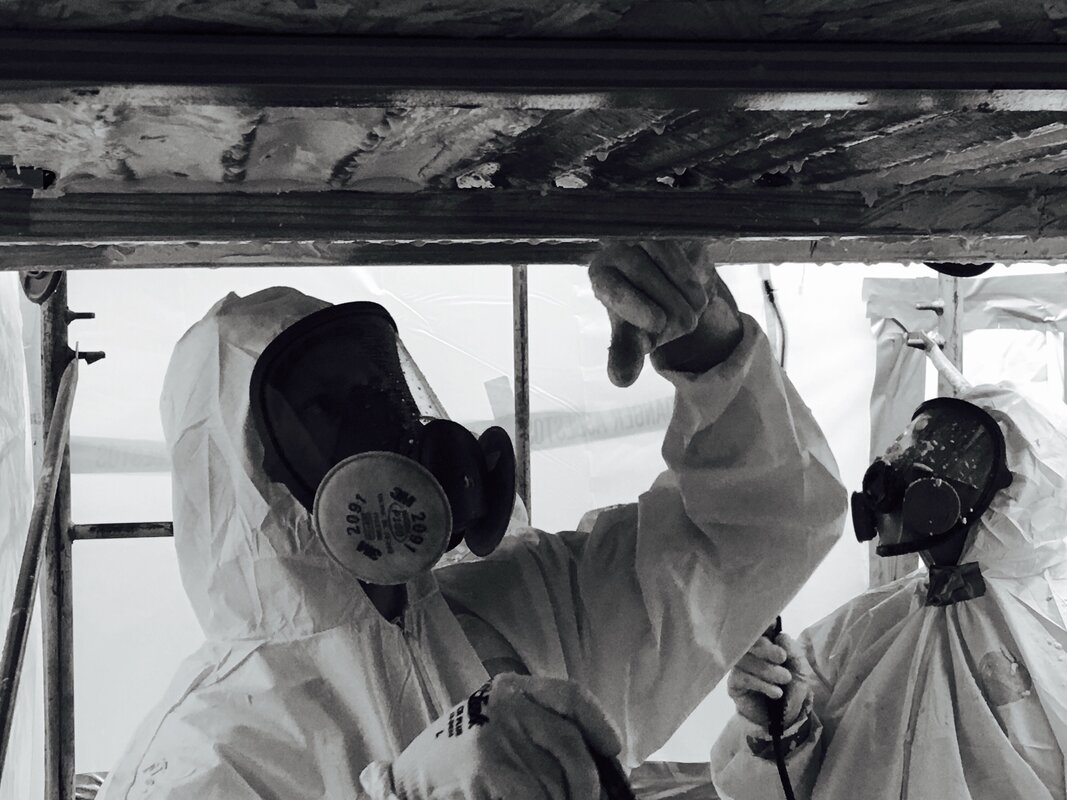
How do you remove asbestos safely and effectively? There are two popular methods of removing asbestos: encapsulation and removal. When done correctly, both methods are completely safe. However, removing asbestos incorrectly can result in serious health problems. Asbestos is a known carcinogen and toxin. It was used extensively before its harmful effects were widely known, so there is still a lot of the stuff hidden away in old buildings. If you find asbestos in your home or building, you need to have it safely removed. Here’s how. The first step is to determine whether or not there is asbestos present. Licensed asbestos inspectors and other specifically trained maintenance personnel can conduct inspections and sampling, sending the samples to a special lab for analysis. Homeowners can collect their own samples and have them analyzed by a laboratory provided special health precautions are followed when handling asbestos. If asbestos is found, any professional removal will require you to evacuate the building and seal off a perimeter around the area where the work will be performed. Workers wear asbestos-specific PPE and respirators while working and use other safety equipment to prevent the spread of asbestos fibers. What are the different types of asbestos removal methods? 1. Physical removal2. Encapsulation3. Enclosure4. Repair Where can I find a professional who removes asbestos safely and effectively? The asbestos removal process requires the utmost care and diligence. It is a complex process that requires specialized training, equipment, and materials. To ensure safety and effectiveness, it is best to hire a professional who has ample experience in removing asbestos from any structure. When working with an asbestos removal professional, be sure to check their credentials and licensing information. The EPA recommends avoiding unlicensed contractors at all costs, as they may not carry proper insurance or take the necessary precautions to keep you and your family safe. Asbestos abatement is not a DIY project, and it’s important to hire an asbestos contractor that has all the proper licensing and certification.
💰 The cost of non-compliance: OSHA penalties for improper asbestos handling can exceed $16,550 per violation. EPA penalties for facilities violating asbestos regulations can reach $25,000-$50,000+ per day per violation. Beyond regulatory fines, workers or building occupants with asbestos-related diseases can pursue civil litigation resulting in settlements and judgments in the millions.
Frequently Asked Questions
Q: What is asbestos and why is it dangerous?
Asbestos is a naturally occurring mineral fiber that was used in approximately 3,000 products before its dangers were widely recognized. Asbestos fibers become airborne easily and, when inhaled, cause lung cancer, mesothelioma, and other serious diseases. Asbestos is a known carcinogen and remains a leading occupational health hazard requiring strict OSHA and EPA compliance.
Q: Where is asbestos commonly found in buildings?
Asbestos is commonly found in insulation, floor tiles, linoleum, transite siding, window glazing, fire doors, fireproofing materials, and popcorn ceiling coatings. Older homes and buildings constructed before asbestos regulations are most likely to contain asbestos-containing materials that require professional testing and removal.
Q: Can I remove asbestos myself?
Homeowners can remove small amounts of asbestos with proper training and precautions, but commercial asbestos removal must comply with OSHA and EPA guidelines and requires licensed professionals. Businesses and facilities of any size should hire certified asbestos contractors for removal work to ensure worker safety and regulatory compliance.
Q: What methods are used for asbestos abatement?
The main asbestos abatement methods are: physical removal (complete extraction and disposal), encapsulation (sealing with protective coating), enclosure (containing with barriers), and repair (sealing surface damage). Licensed professionals use specialized PPE, respirators, and containment procedures to prevent asbestos fiber release during all abatement activities.
Contributing: Tami Hadley Marketing Director | Project Manager, E-Training SolutionsTami has been with iSi for over 24 years. During this time, she has enjoyed helping promote regulations compliance awareness and education through her involvement with iSi Training and through leadership roles with industry conferences and professional organizations. Email | LinkedIn t
Every satisfactory asbestos management program starts with knowing where the gaps are. iSi Environmental helps industrial and commercial facilities identify asbestos-containing materials, develop abatement plans, manage removal projects, and ensure OSHA/EPA compliance throughout the process. Schedule a compliance review →
We Plug In. You Level Up.