Top Electrical Safety Violations
In honor of May's electrical safety month designation, here's a list of OSHA's most common electrical safety violations found in General Industry and Co...
In honor of May’s electrical safety month designation, here’s a list of OSHA’s most common electrical safety violations found in General Industry and Construction.
⚡ TL;DR: OSHA’s top electrical violations are: improper/damaged equipment, inadequate clearance, missing or broken grounding, unsealed junction boxes, and failure to de-energize before work. All are preventable with proper inspections, maintenance, and training.
⚠️ The Pain Point: Electrical hazards are invisible until something fails. A missing ground path, a cracked cord cover, or inadequate clearance around energized equipment is undetectable by sight. Workers assume the system is safe until someone is shocked or killed. Preventive inspections and training catch these hazards before they cause injuries.
OSHA’s Top Electrical Safety Violations
1. Listed or Labeled Equipment
All electrical equipment must be listed (tested and certified) by a recognized testing lab (UL, ETL, etc.). Using unlisted or counterfeit equipment is an immediate violation.
2. Flexible Cords and Cables
Damaged, frayed, or improperly used extension cords are among the easiest violations to cite. Cords must be inspected before use and removed from service if damaged.
3. Clearance Around Electrical Equipment
OSHA requires minimum clearances around energized electrical parts—typically 3 feet. Storing materials or equipment in electrical rooms or against panels is a common violation.
4. Guarding/Enclosing Electrical Equipment
Live parts over 50 volts must be guarded or enclosed. This includes open circuit breaker panels, bus bars, and transformer terminals.
5. Unused Openings in Junction Boxes
Any opening larger than 1/4 inch must be sealed. Unused knockouts create shock and arc flash hazards.
6. Grounding Path
Electrical grounding provides the path for fault current. A missing or broken ground creates shock hazards. All portable equipment, tools, and cords must have continuous grounding.
7. Inspecting Cord and Plug Equipment
Portable equipment must be visually inspected before use. Cords with cuts, missing insulation, or bent plugs must be removed from service.
8. Working With Energized Electrical Equipment
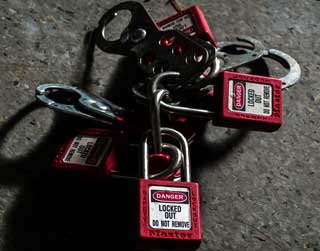
De-energizing equipment before work is the golden rule. If de-energization is impossible, qualified persons must use appropriate PPE and lockout/tagout procedures.
9. Training Qualified Persons
Anyone working on electrical systems or working near energized parts must be trained to recognize electrical hazards and understand safe work practices.
10. Appropriate PPE
Electrical work requires arc-rated (AR) clothing, face shields, insulated tools, and other PPE appropriate to the voltage and hazard. Inadequate PPE is cited frequently.
How to Stay Out of These Violations
Regular electrical safety inspections, preventive maintenance, training, and a documented lock out/tag out program catch most violations before OSHA does. The facilities with the best electrical safety records treat it as a proactive discipline, not a reactive checklist.
💰 The Cost Calculation: An annual electrical safety audit and training program costs $2,000–5,000. OSHA electrical violations average $15,000–25,000 per citation, with multiple citations common on construction sites. Electrocution injuries result in workers’ comp claims exceeding $100,000+.
Frequently Asked Questions
Q: What are the top electrical safety violations cited by OSHA?
OSHA’s most frequently cited electrical violations include: improper use of listed/labeled equipment, damaged flexible cords, inadequate clearance around electrical equipment, missing or improper guarding of electrical equipment, unsealed junction box openings, missing or broken grounding paths, failure to inspect cord and plug equipment, and unsafe work on energized equipment.
Q: Who is considered a “qualified person” for electrical work under OSHA?
A qualified person is someone who has received training to understand electrical hazards, recognize exposed electrical parts, and maintain appropriate distance from energized equipment. OSHA requires qualified persons to receive specific training on electrical safety hazards, lock-out/tag-out procedures, and safe work practices around exposed conductors.
Q: What electrical safety training is required for workers?
All workers must understand electrical hazards in their work area, even if they’re not electricians. Qualified persons working directly with electrical systems require advanced training on electrical theory, hazard analysis, and safe work procedures. Workers in general industry must understand when to de-energize equipment, proper grounding, cord inspection, and appropriate PPE requirements.
Q: Why is grounding and bonding critical for electrical safety?
Proper grounding provides a safe path for electrical current in case of fault or insulation failure. A missing or broken grounding path creates shock and electrocution hazards. OSHA requires all portable and flexible cord equipment to have continuous grounding paths and bonding where applicable to prevent dangerous electrical contact.
Need help assessing your facility’s electrical safety or training workers on electrical hazards? Contact iSi Environmental for a same-day response, or explore our OSHA compliance and electrical safety services to prevent violations and injuries. We Plug In. You Level Up.