
OHSAS 18001 and ISO 45001: What's the Difference?
OHSAS 18001 is gone, ISO 45001 replaced it. What changed, why it matters for your safety management system, and how to make the transition, from iSi.
Article archive, page 12 of 20
OHSAS 18001 is gone, ISO 45001 replaced it. What changed, why it matters for your safety management system, and how to make the transition, from iSi.

TRI reporting thresholds under EPCRA 313: 25,000 lb manufactured or processed, 10,000 lb otherwise used, 100 lb for PFAS and lead, and when a Form R is due.

OSHA's General Duty Clause is the catch-all citation for hazards with no specific standard, and the one most employers don't see coming. Here's what triggers it and how to audit for it.
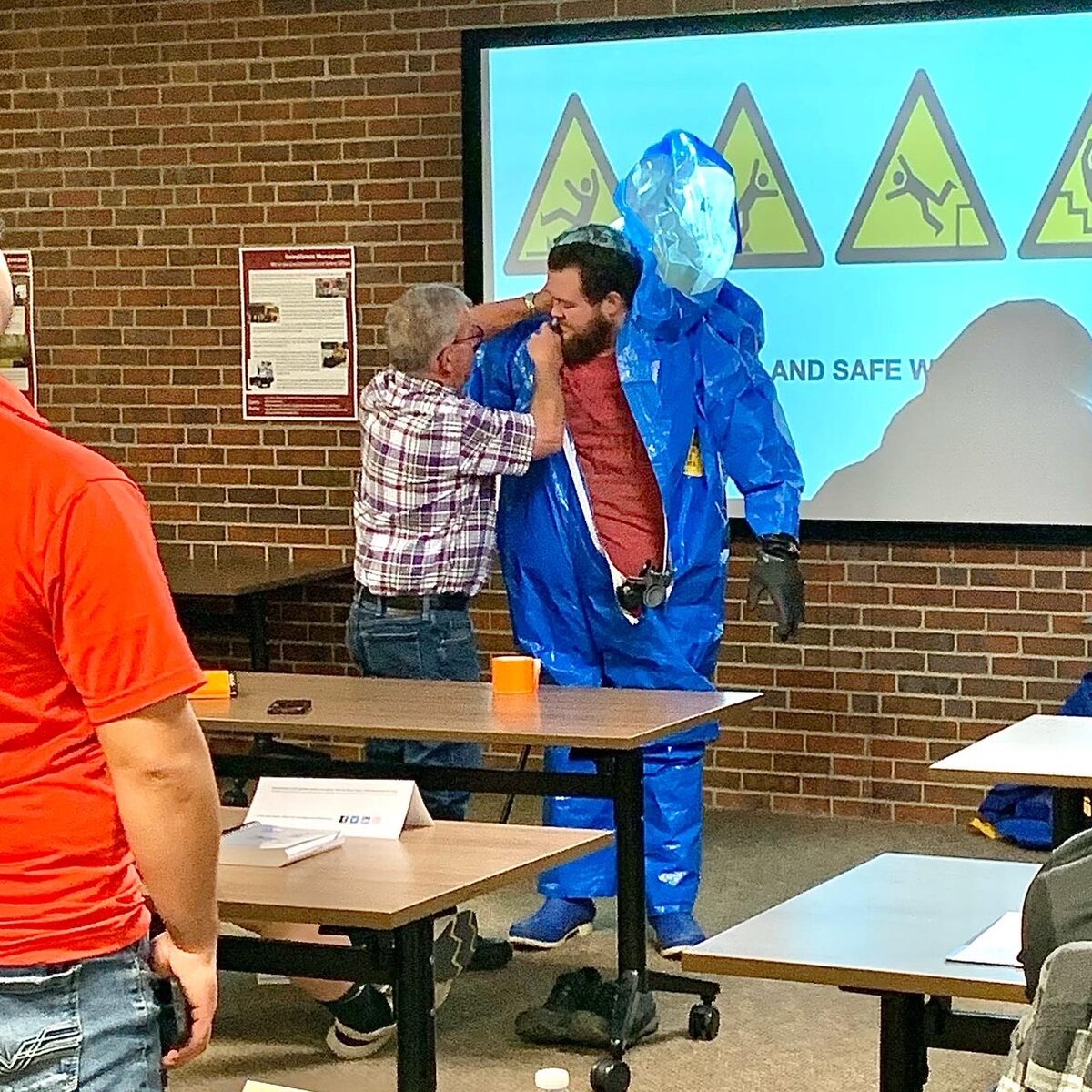
OSHA requires different emergency plans depending on whether your employees respond to chemical releases or evacuate.
Three facts decide whether a backup generator answers to 40 CFR 63 Subpart ZZZZ or to the NSPS: source status, construction date, and ignition type. What each path requires, and what changed in 2024 and 2025.

Companies that fall under Process Safety Management (PSM) requirements because of their highly hazardous chemicals are required to recertify that they h...
Emergency power generators can be critical pieces of equipment for any facility, especially in the stormy seasons of spring or winter or in disasters su...
EPA proposed to rescind much of the 2024 RMP rule in February 2026. No final rule has issued, so 40 CFR Part 68 duties and the 2027 dates are still law.
In January, OSHA issued a notice of proposed rulemaking to replace the existing general industry Fire Brigade standard at 1910.156 with a new broader st...

Grade D breathing air has specific OSHA-mandated purity limits, component requirements, and testing protocols. Miss any one and your supplied-air respirator program fails inspection.
Coverage turns on the process, not the plant inventory. The Appendix A threshold quantities, the fourteen elements, the recurring clocks, and how OSHA builds its PSM inspection list.
OSHA's final rule on electronic injury and illness reporting that passed in 2023 took effect on January 1, 2024.

Recently we covered the required annual OSHA safety training requirements your company should be scheduling each year.

Every even-numbered year, large quantity hazardous waste generators must submit their Biennial Hazardous Waste Reports by March 1.

Christmas can be a wonderful time of the year, but it can also be a time for accidents.
We decided to take a look at some of the EPA enforcement sites to review hazardous waste violations issued across the U.S. within the past couple of years.

International Maritime Dangerous Goods (IMDG) training requirements, who must comply, personnel obligations, documentation, and common triggering scenarios.

Many types of jobs require the use of boots for safety purposes. Some jobs just need regular boots while others require steel or composite toes.

iSi's consulting team recently provided a presentation to the annual Kansas Safety and Health Conference about OSHA's top poorly written regulations.

OSHA sorts asbestos tasks into Class I through Class IV. Here is how the class is decided and what each one costs in training, containment and monitoring.

EPA has announced a several changes to its Air Emissions Reporting Rule, or AERR that would make reporting of hazardous air pollutants (HAPs) consistent...

OSHA has issued a final rule changing some of the requirements for electronic injury and illness reporting, adding some new companies and increasing som...

Fireworks injuries spike every 4th of July, here's a simple toolbox talk covering setup, safe shooting, disposal, and pet safety you can share with your crew or family.

OSHA's forklift design reference is still ANSI B56.1-1969, the 2022 update never published, and Region VII runs a powered industrial truck program through 2029.