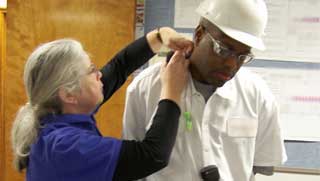
Formaldehyde at 0.5 ppm: The Action Level That Starts a 6-Month Monitoring Cycle
Formaldehyde at 0.6 ppm is under the 0.75 ppm PEL and still over the action level, which starts 6-month monitoring and medical surveillance under 1910.1048.
23 articles · All articles
Formaldehyde at 0.6 ppm is under the 0.75 ppm PEL and still over the action level, which starts 6-month monitoring and medical surveillance under 1910.1048.
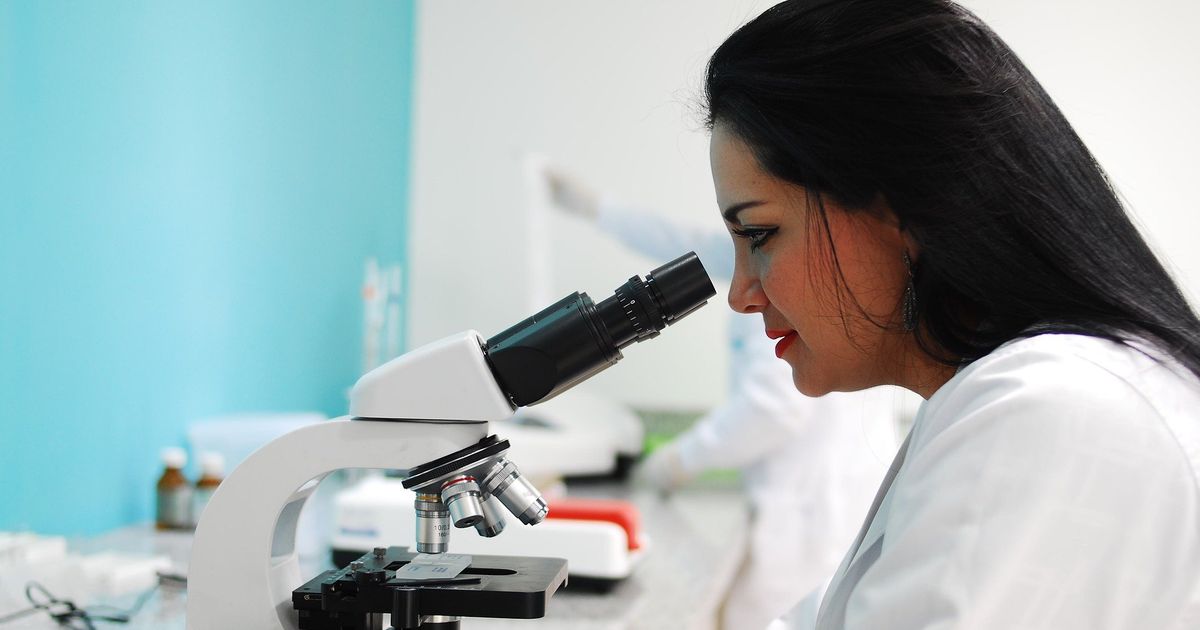
There is no federal mold standard and no legal limit for airborne mold. Here is what air, surface and bulk samples establish in a commercial building, what they cannot establish, and the three situations where sampling is worth the money.
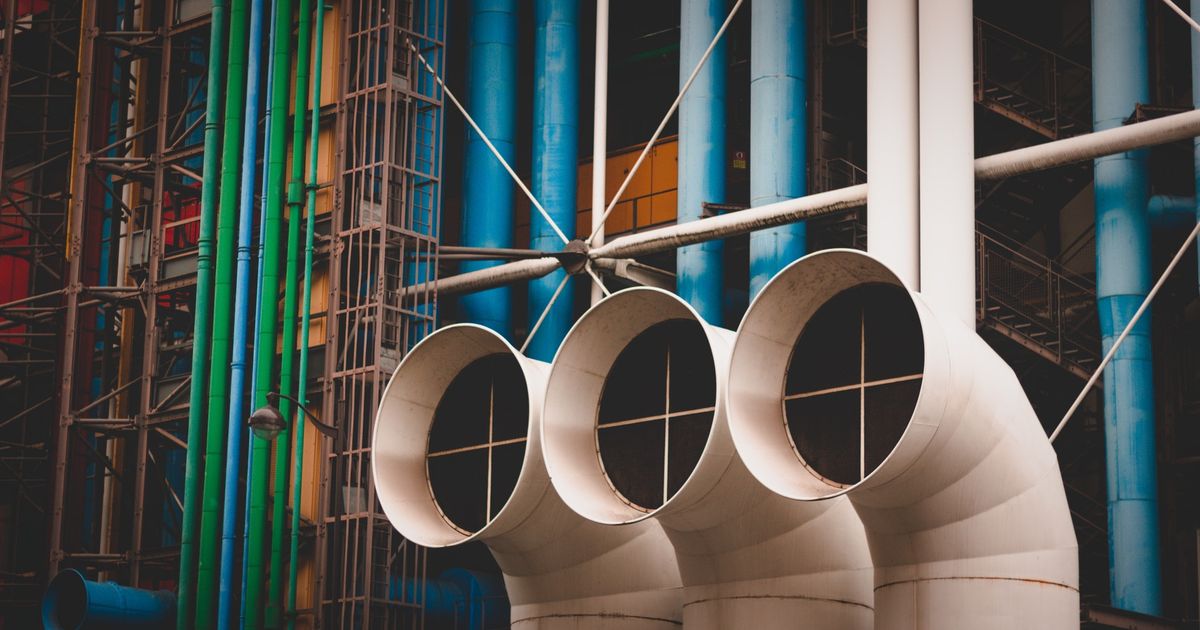
Colorado's ECMC takes over Class VI carbon storage well permits on November 12, 2026. Here is what OSHA still requires at your CO2 capture and compression skid.
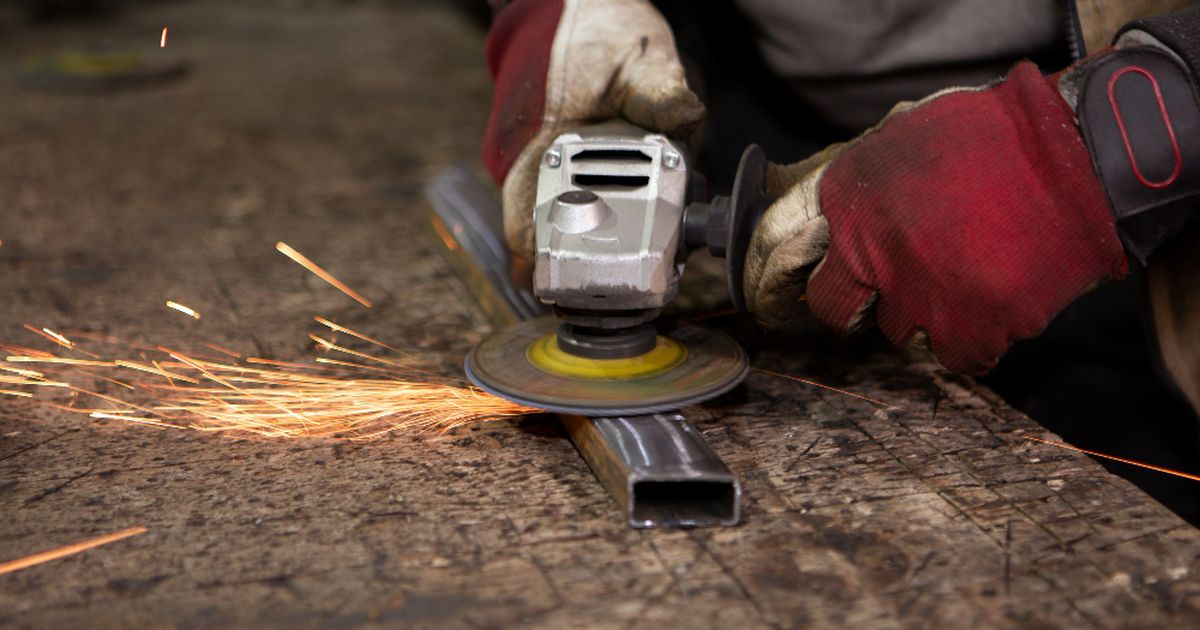
OSHA's silica PEL is 50 µg/m3 and the action level is 25 µg/m3. Here is how Site-Specific Targeting turns a manufacturer's own 300A filing into an inspection.
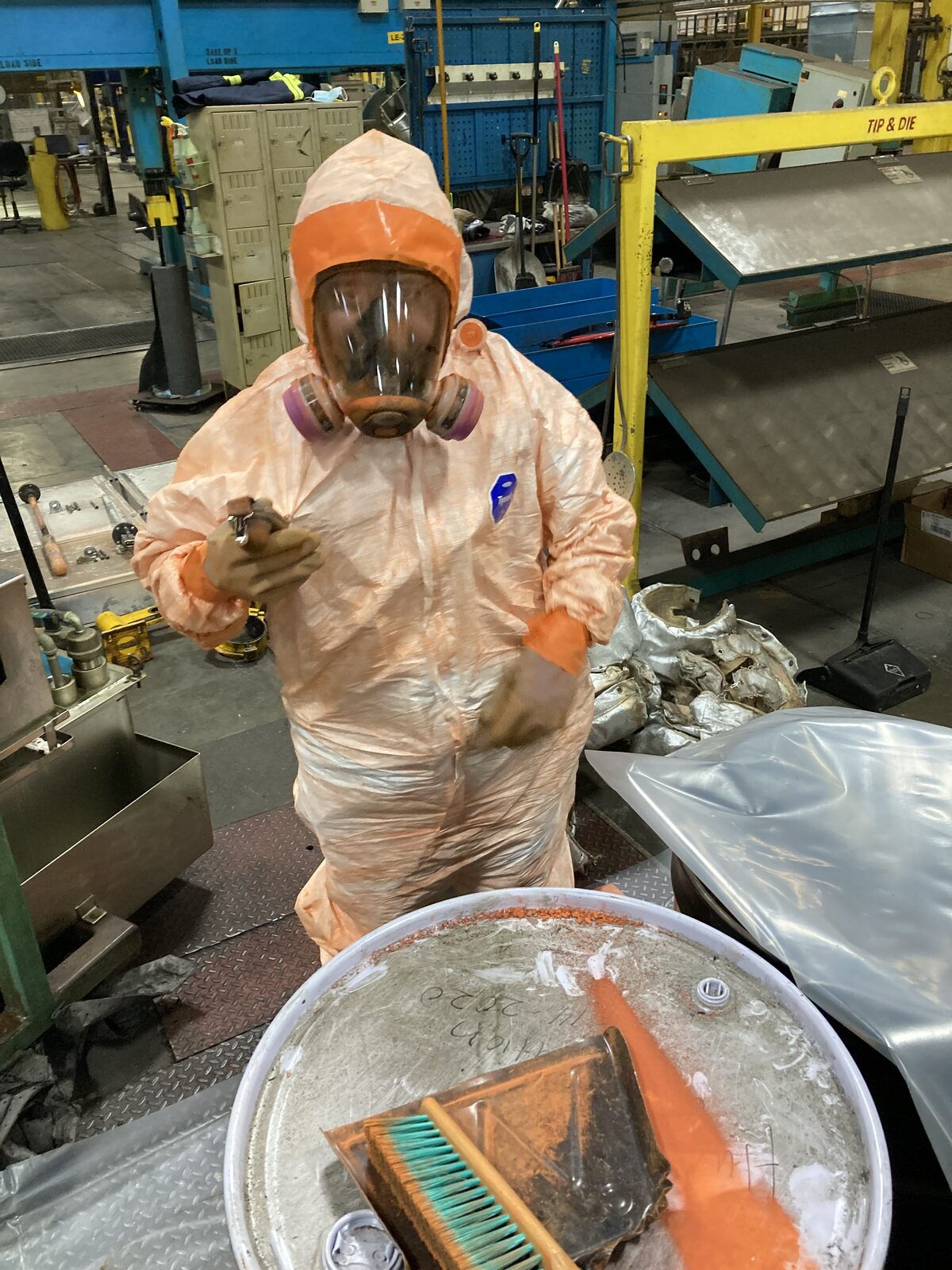
OSHA regulates creosote as coal tar pitch volatiles: 0.2 mg/m³ PEL. Why a written hazard assessment under 1910.132(d) must come before any PPE selection.

No OSHA limit covers inhalable microplastics, yet shredding spikes respirable particles up to 2,910x background. Here's how to monitor worker exposure now.

Plant and EHS managers: here's what OSHA compliance officers walk through during a noise inspection — the 6-part hearing conservation program audit, current penalty exposure, and why OSHA compliance alone doesn't protect workers the way you think it does.
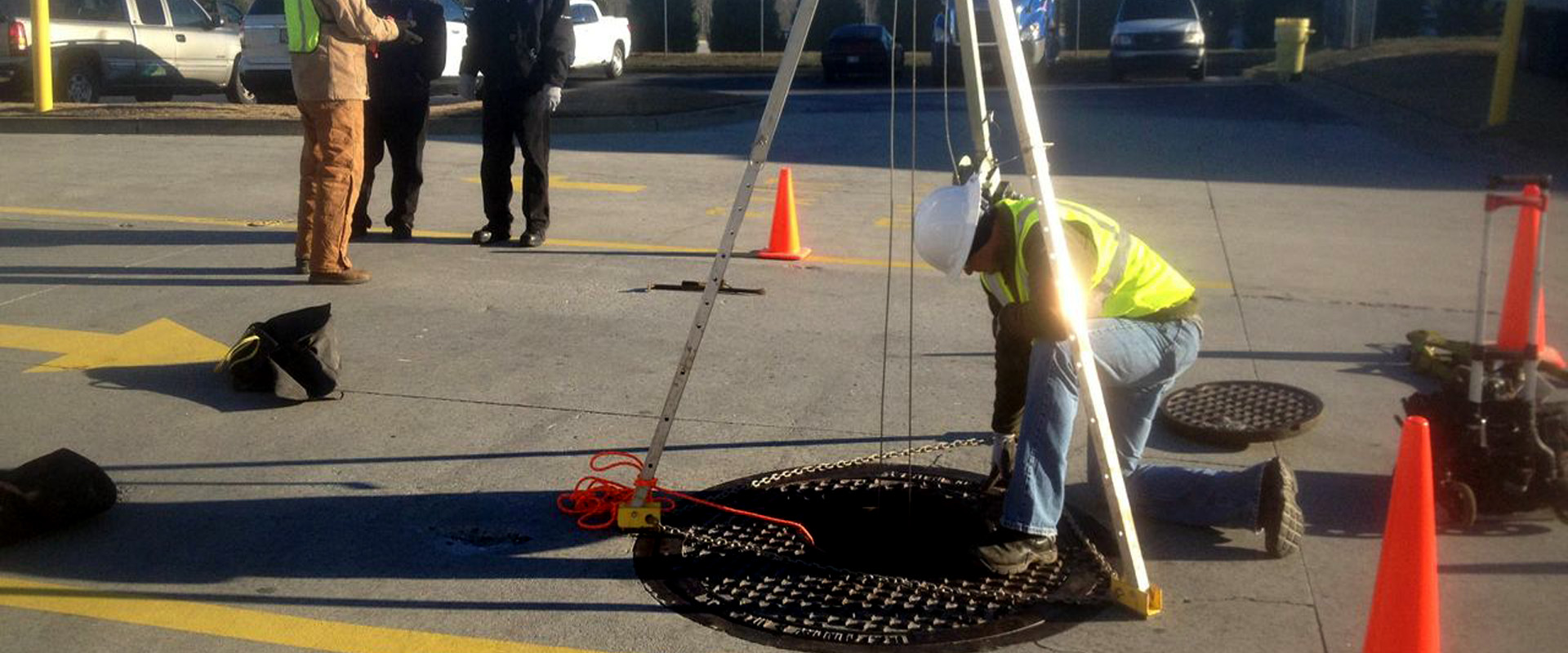
A field PID with a 0.1 ppm benzene LOQ has 5x the LOQ of the USCG 0.02 ppm tank-entry ceiling. Here is what a defensible Marine Chemist's Certificate now requires.

Pick Bayesian or Frequentist for a small-business exposure assessment and the same $4,050 budget yields a different defensible decision. A practitioner walk-through.
OSHA enforces 90 dBA PEL with a 5 dB exchange rate. NIOSH, ACGIH, the EU, and the U.S. military all use 85 dBA with a 3 dB exchange rate. Here is how to design an HCP that satisfies both.

OSHA 1910.95(h)(1) requires pure-tone air conduction testing for the occupational audiogram. Bone conduction audiometry has a defined clinical follow-up role after a Standard Threshold Shift, but it cannot substitute for the required test. Here is how to build the HCP correctly.
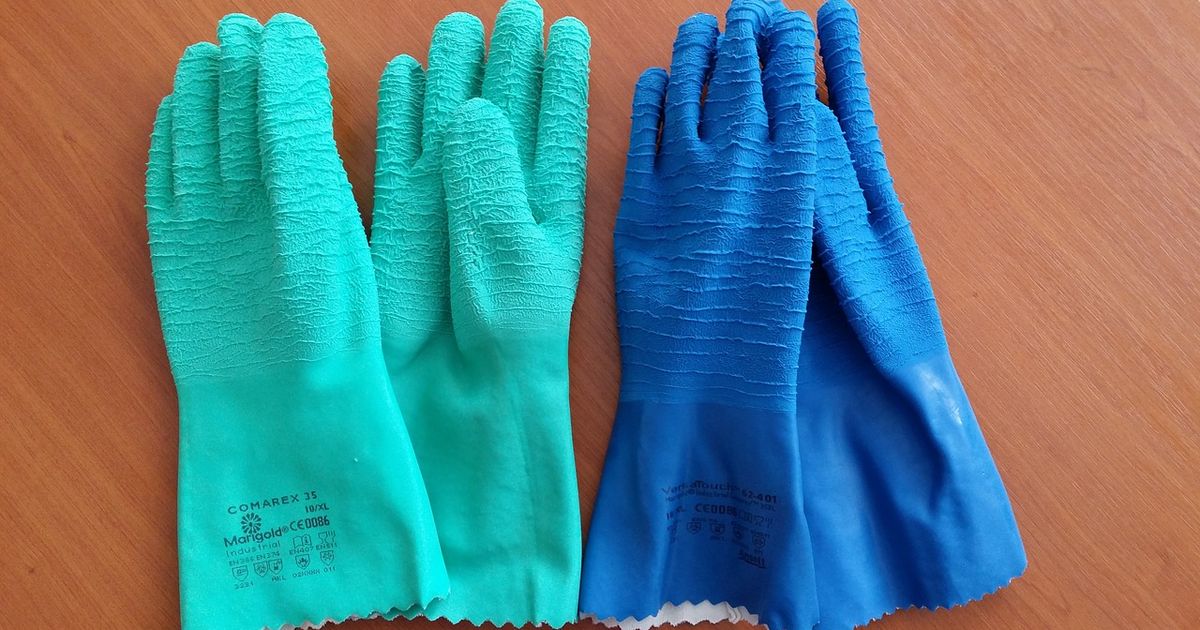
Build a defensible chemical substitution program — hierarchy of controls, TSCA Section 6, OSHA General Duty Clause, and a documented alternatives assessment.
How a sole industrial hygienist clears a chemical risk assessment backlog across multi-plant operations before the November 20, 2026 HazCom deadline.

Why a single round of industrial hygiene sampling fails AIHA's Bayesian decision analysis test, and what a defensible multi-round assessment actually looks like for a small manufacturer.
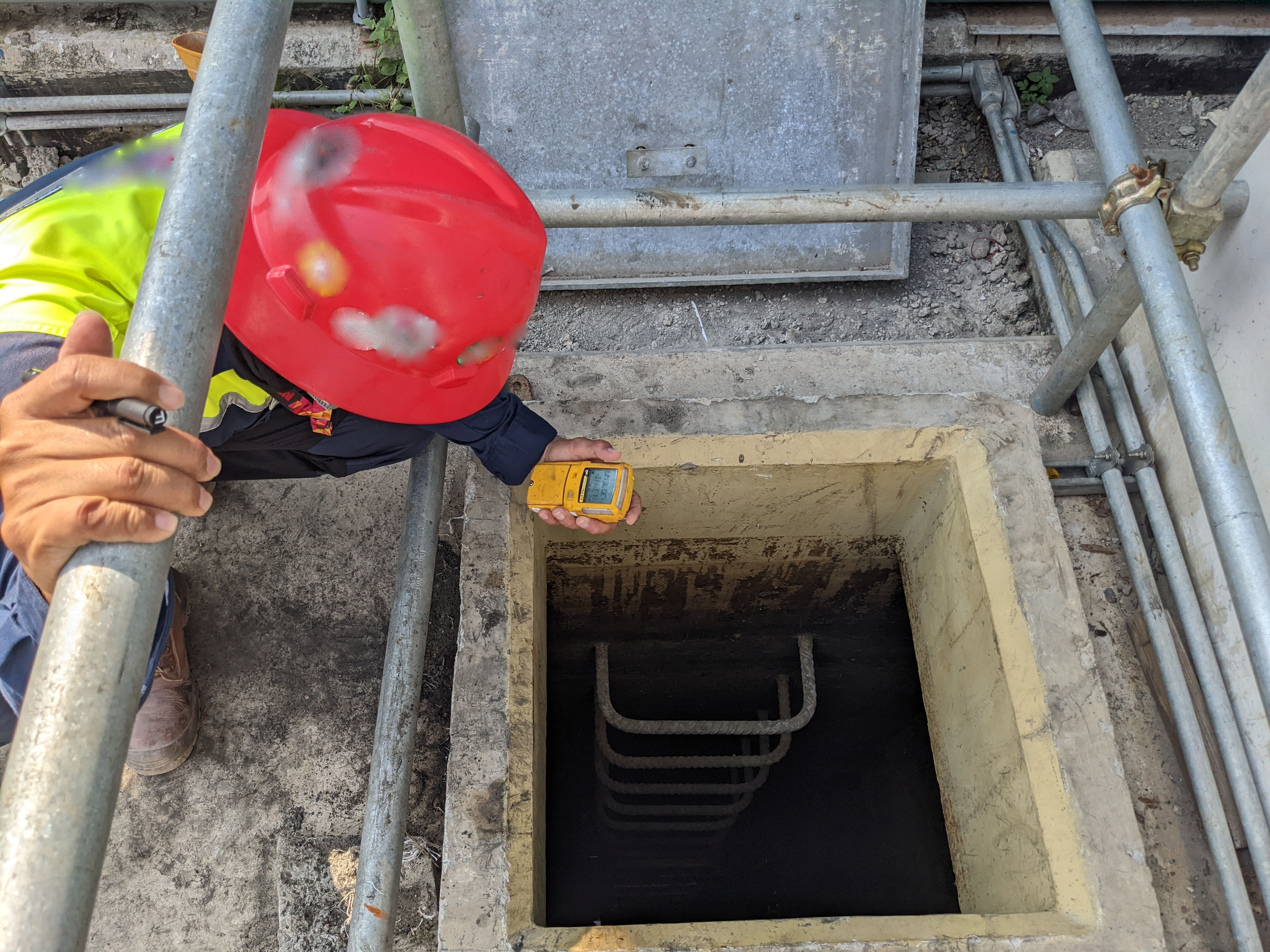
Rated CFM is not delivered CFM. How to calculate confined-space blower output at the duct outlet and document it so OSHA cannot call ventilation inadequate.

OSHA's May 2026 EtO ICR shows a ~33% decline in 1910.1047 medical surveillance burden hours. What sterilizers and EtO manufacturers need to verify before a 2026 inspection.
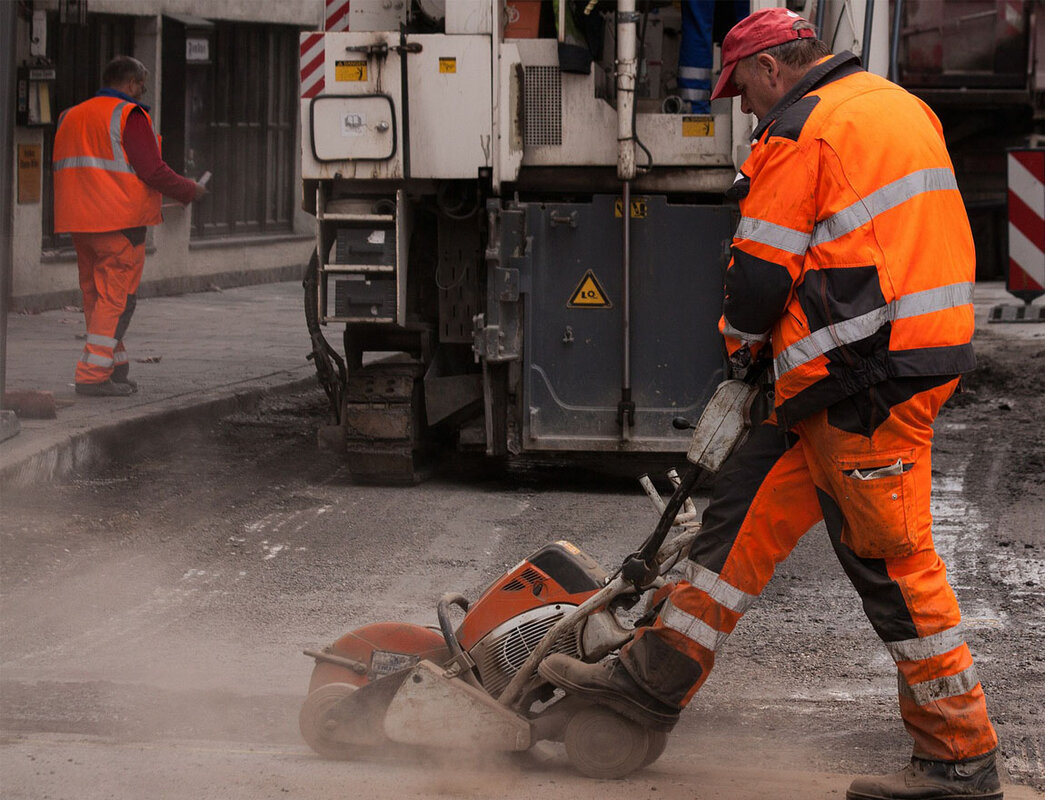
OSHA just published the largest silica compliance burden estimate ever — $220.8M annually across 818,438 employers. Learn what the numbers mean for your facility's compliance program and whether you're keeping pace with federal expectations.
Most facilities size confined-space ventilation off blower nameplate CFM and assume 7 air changes purges the hazard. Both assumptions are wrong. Here's how to calculate actual delivered flow, account for duct loss, and know when air-change rules fail.
OSHA 1910.134(d)(1)(ii) requires pressure-drop analysis in respirator selection. How to document it and why workers abandon high-resistance masks.
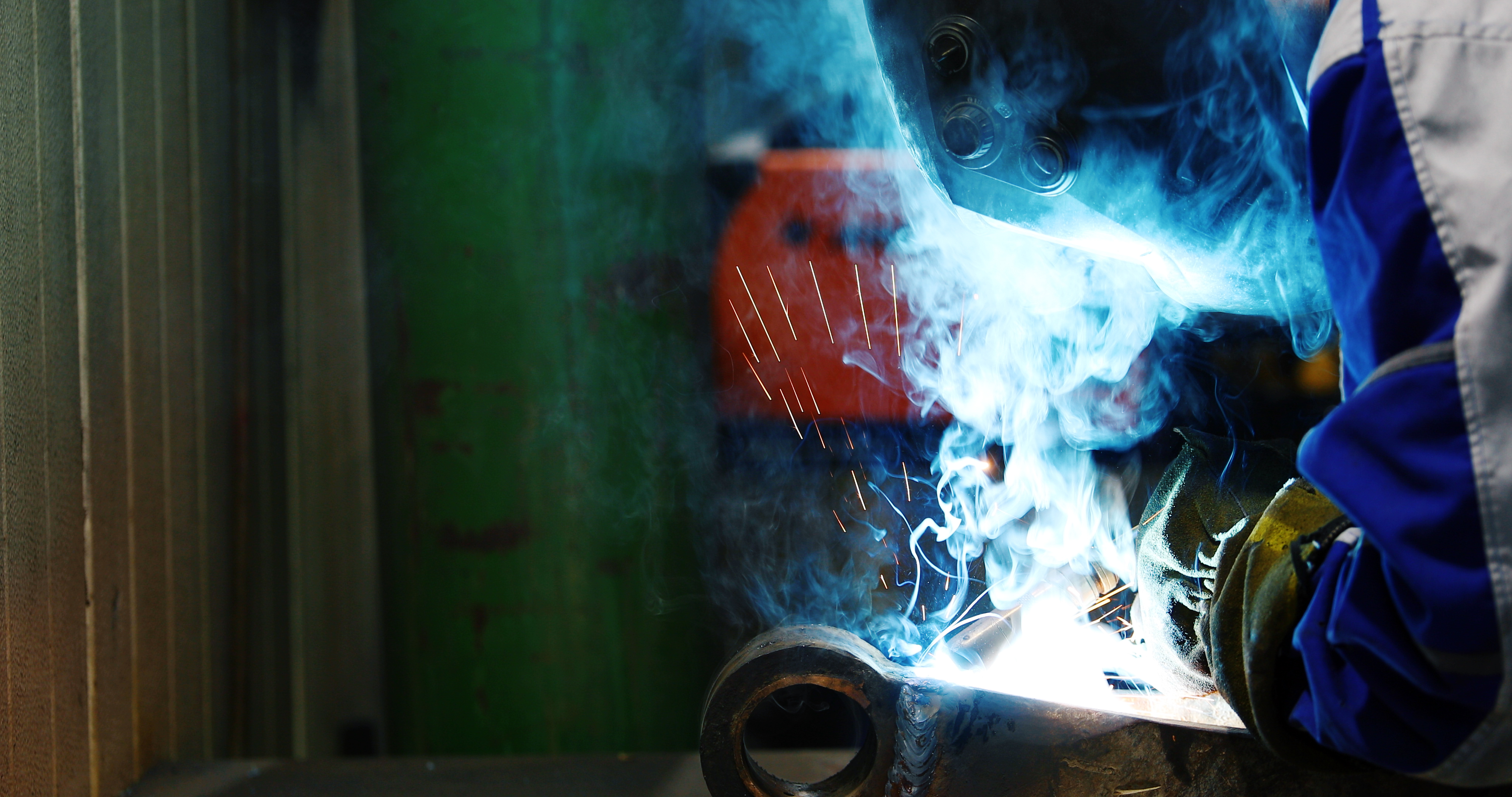
How to design LEV for multiple simultaneous welders and meet OSHA 1910.1026 source-capture requirements when hexavalent chromium is in play.
A practical chemical risk assessment framework for the first-time or solo industrial hygienist inheriting 400+ chemicals. Built from OSHA HazCom 2024, Subpart Z, AIHA PGP, and NIOSH OEB.
Materials development facilities often have chemical exposures that neither the materials science team nor the safety department fully owns. Explore the regulatory gaps, hidden hazards, and SDS review requirements that protect cleanroom workers in battery, semiconductor, and advanced materials labs.
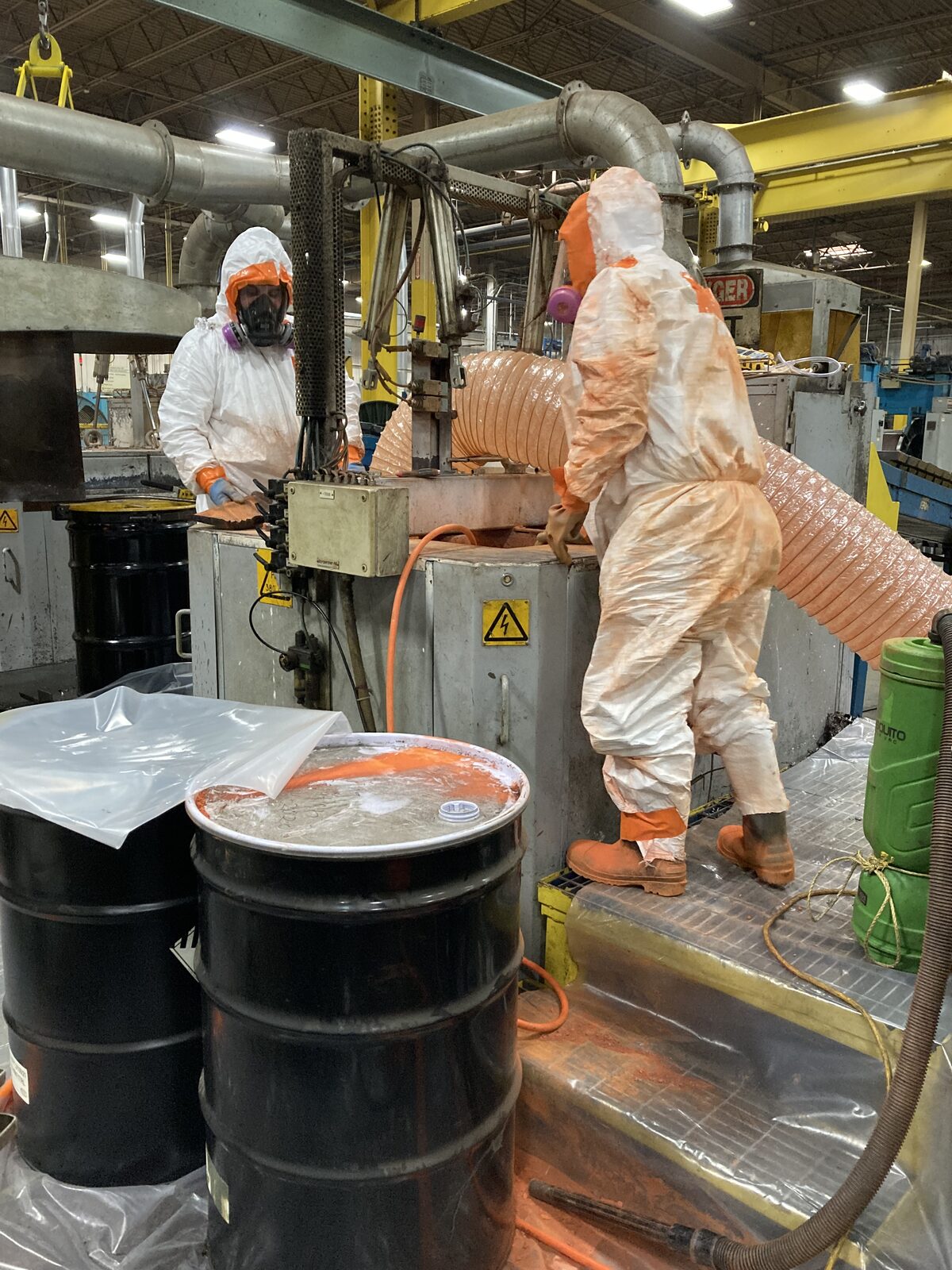
Walk through a real industrial hygiene assessment from start to finish.