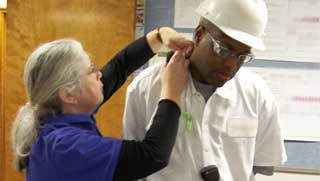
Why Your Half-Mask APF Math Is Incomplete: Breathing Resistance & Cartridge Selection
OSHA 1910.134(d)(1)(ii) requires pressure-drop analysis in respirator selection. How to document it and why workers abandon high-resistance masks.
Article archive — page 8 of 19
OSHA 1910.134(d)(1)(ii) requires pressure-drop analysis in respirator selection. How to document it and why workers abandon high-resistance masks.
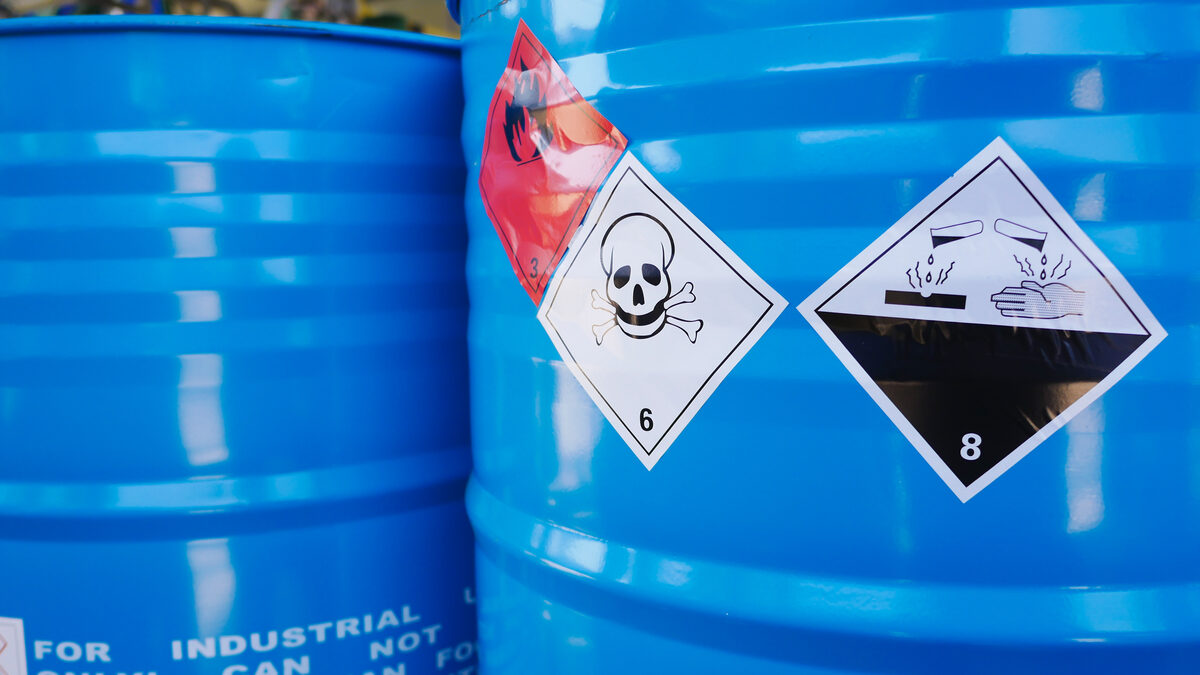
Federal Register batch 26-2 expands TSCA Significant New Use Rules. Chemical manufacturers and importers must file SNUNs 90 days before designated new uses. Penalties up to $50,120/day.

How to design LEV for multiple simultaneous welders and meet OSHA 1910.1026 source-capture requirements when hexavalent chromium is in play.
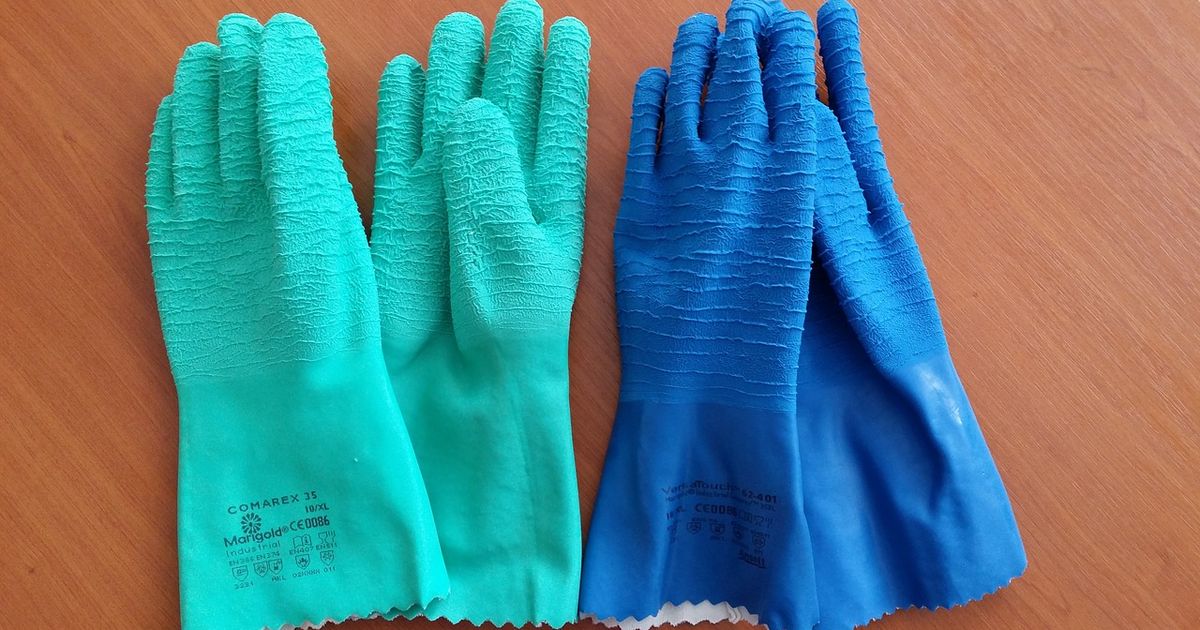
A practical chemical risk assessment framework for the first-time or solo industrial hygienist inheriting 400+ chemicals. Built from OSHA HazCom 2024, Subpart Z, AIHA PGP, and NIOSH OEB.
EPA moved on six distinct air-rule fronts between February and April 2026 — MATS repeal, GHG rescission, EtO reconsideration, Oil & Gas technical amendments, and two Missouri SIP actions. Here's the EHS leader's digest.
EPA has proposed to approve Kentucky's Section 111(d) State Plan for existing municipal solid waste landfills. Here's what KY landfill operators need to confirm before the comment period closes.
Missouri's new construction permit fee schedule took effect January 1, 2026. Major NSR, PSD, and HAP permits now carry a $6,000 filing fee plus $100-per-hour processing. Here is how to budget.

EPA has proposed to approve Missouri's revisions to 10 CSR 10-5.220, aligning St. Louis petroleum vapor recovery with the Kansas City rule. Here's what fuel operators need to know before the May 26 comment deadline.

Materials development facilities often have chemical exposures that neither the materials science team nor the safety department fully owns. Explore the regulatory gaps, hidden hazards, and SDS review requirements that protect cleanroom workers in battery, semiconductor, and advanced materials labs.
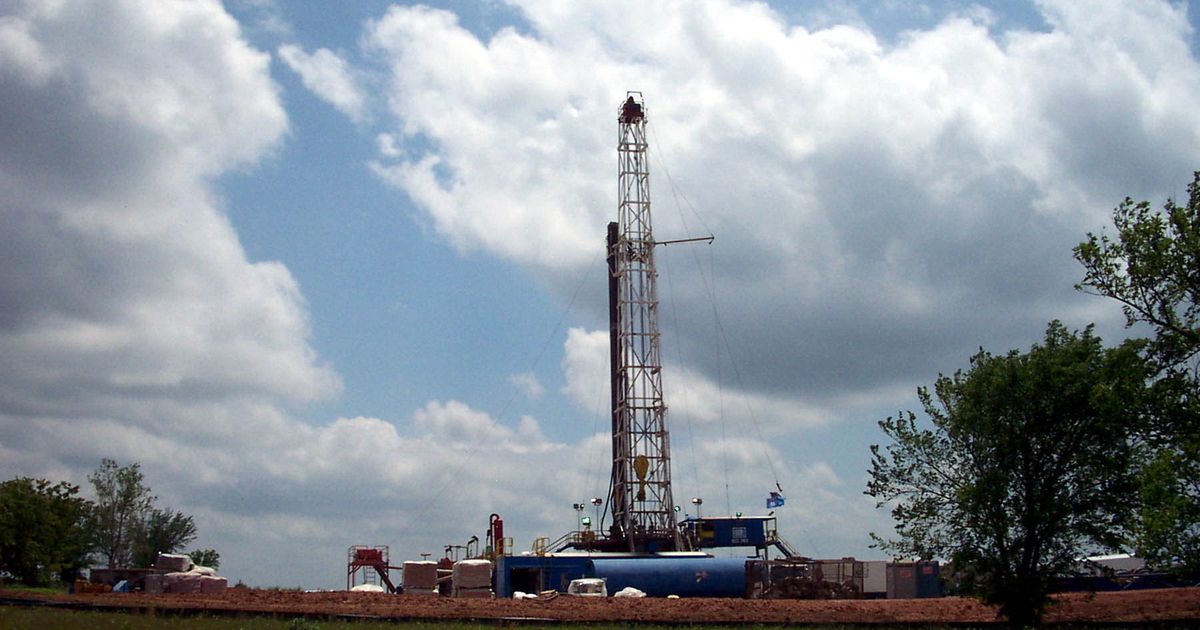
EPA removed affirmative defense provisions for oil and gas air toxics violations, shifting enforcement to strict liability. Learn what changed, what it costs, and how to prevent penalties before January 2027.

AI flags compliance gaps. But only a licensed professional can sign off on them. Here's why the professional stamp remains non-negotiable—and what inspectors actually look for.
A practical guide for plant managers and HSE directors evaluating AI-assisted compliance audit tools. Understand what AI actually does, what it misses, and five critical questions to ask any vendor.

AI accelerates data capture, consolidation, and quality checks in mandatory EPA reporting—but responsible officials retain legal accountability for accuracy and sign-off.
Which OSHA workflows an EHS consulting firm can safely automate—recordkeeping, training tracking, inspection scheduling—and where professional judgment must remain in charge. A Tier 1/2/3 decision framework for skeptical firm owners.

Federal contractor HSE directors navigating the April 2026 OSHA-DOE MOU: jurisdiction, penalties, and compliance gaps at M&O vs. privatized DOE sites.

Solo industrial hygienists interpreting OSHA lead UCL and CV calculations face exposure without peer review. Learn why CIH verification is a defensibility requirement.
Manufacturing facilities facing unfilled EHS positions have a third option. One senior consultant plus AI compliance tools delivers what a full-time hire costs—and faster. Here's the math and the tradeoffs.

LLMs fail at the core task of environmental compliance: legal reasoning grounded in facility-specific context. Learn what AI compliance tools miss, what your practitioners know, and why the market is paying 30-40% more for specialized expertise in 2026.

The EPA's April 27, 2026 MATS repeal rolls back 2024 tightening for coal and oil-fired utilities. The 2012 standards remain. Here's what changes, what doesn't, and what you need to do.

Federal DOL filing against Stone Hill Excavation signals aggressive enforcement. Review your injury reporting, drug testing, and safety incentive policies now to avoid $100,000+ liability.
Federal enforcement focus on asbestos exposure documentation and 30-year recordkeeping. What every EHS manager needs to know in 2026.
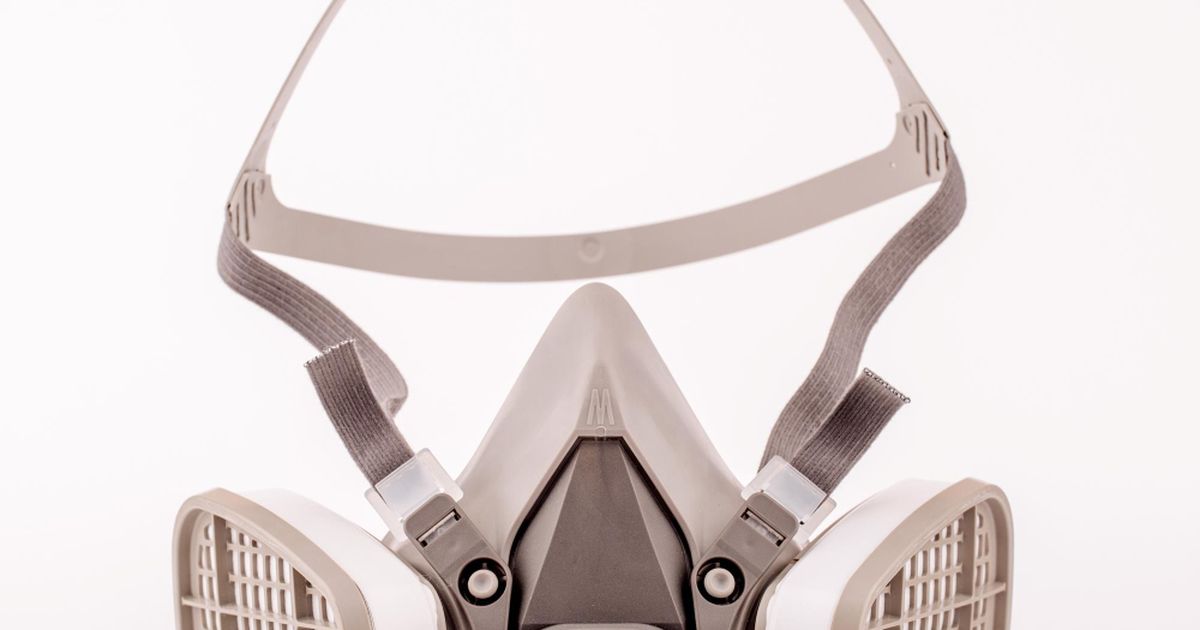
On April 6, 2026, OSHA elevated its polyurethane alliance to Ambassador status. Learn what this enforcement signal means for isocyanate exposure compliance and respirator program requirements.
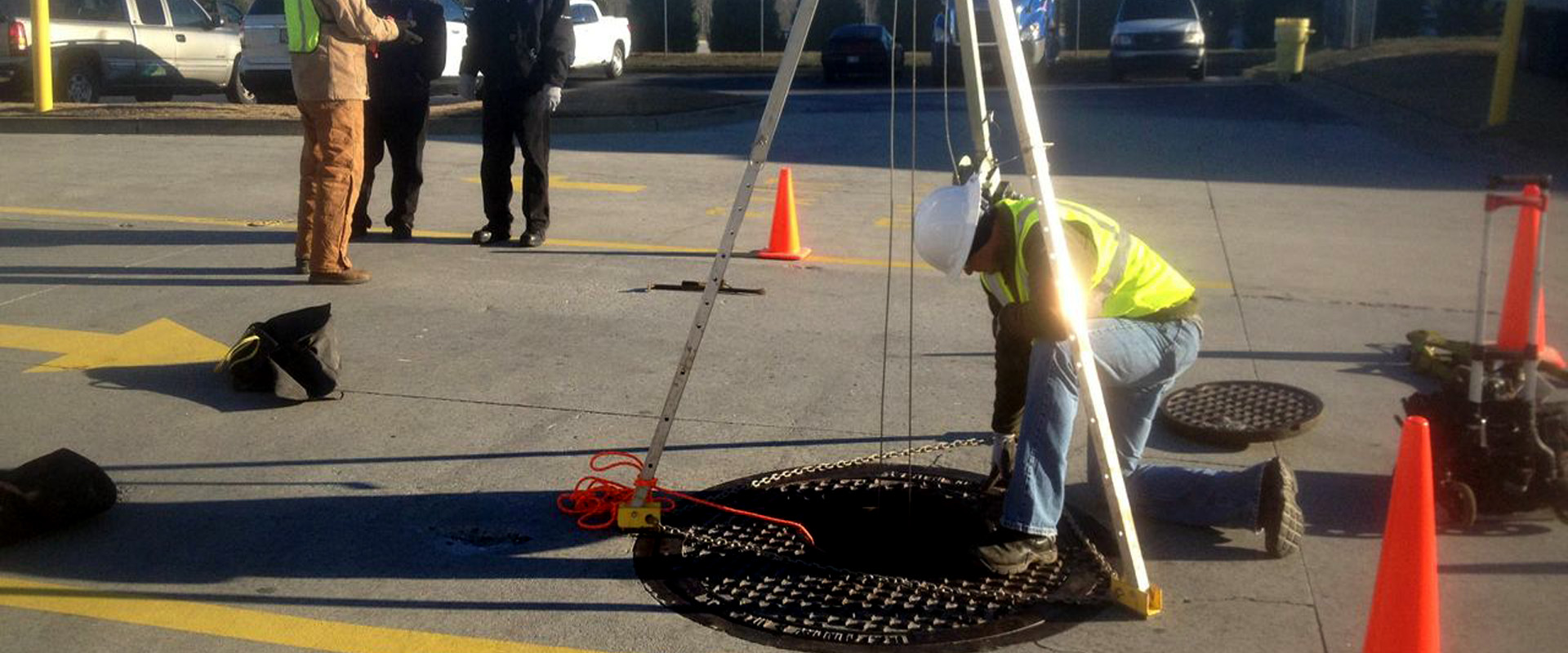
OSHA trenching competent person requirements have teeth. Learn what changed after the April 2026 Revoli Construction case ($4.6M fine), what your designation must include, and how to pass an OSHA inspection.
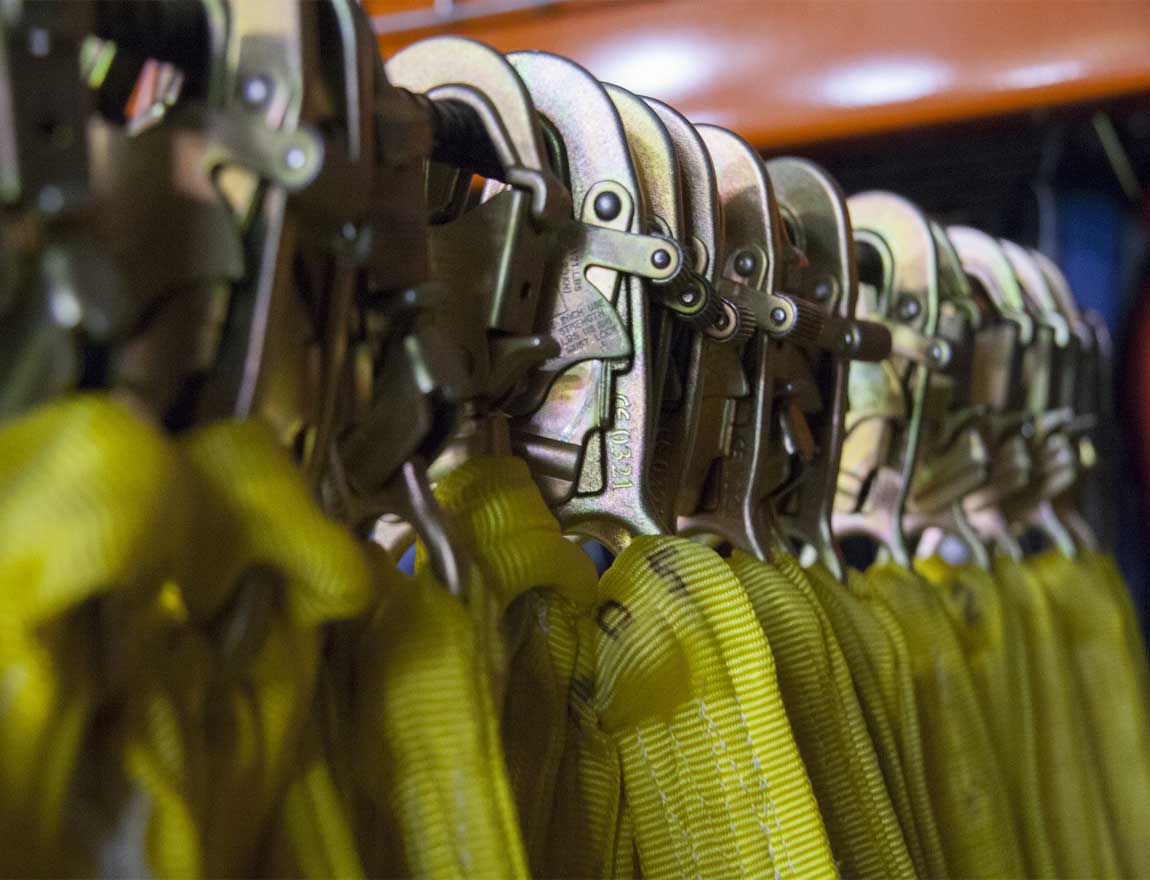
OSHA's April 2026 proposal could remove the 2036 fixed ladder deadline, leaving EHS managers facing major uncertainty on retrofit timelines and capital planning. Understand what's changing.