
Who Peer-Reviews Your Lead Air Sampling Math? Why CIH Verification Matters
Solo industrial hygienists interpreting OSHA lead UCL and CV calculations face exposure without peer review. Learn why CIH verification is a defensibility requirement.
Article archive, page 9 of 19
Solo industrial hygienists interpreting OSHA lead UCL and CV calculations face exposure without peer review. Learn why CIH verification is a defensibility requirement.

Manufacturing facilities facing unfilled EHS positions have a third option. One senior consultant plus AI compliance tools delivers what a full-time hire costs, and faster. Here's the math and the tradeoffs.

LLMs fail at the core task of environmental compliance: legal reasoning grounded in facility-specific context. Learn what AI compliance tools miss, what your practitioners know, and why the market is paying 30-40% more for specialized expertise in 2026.
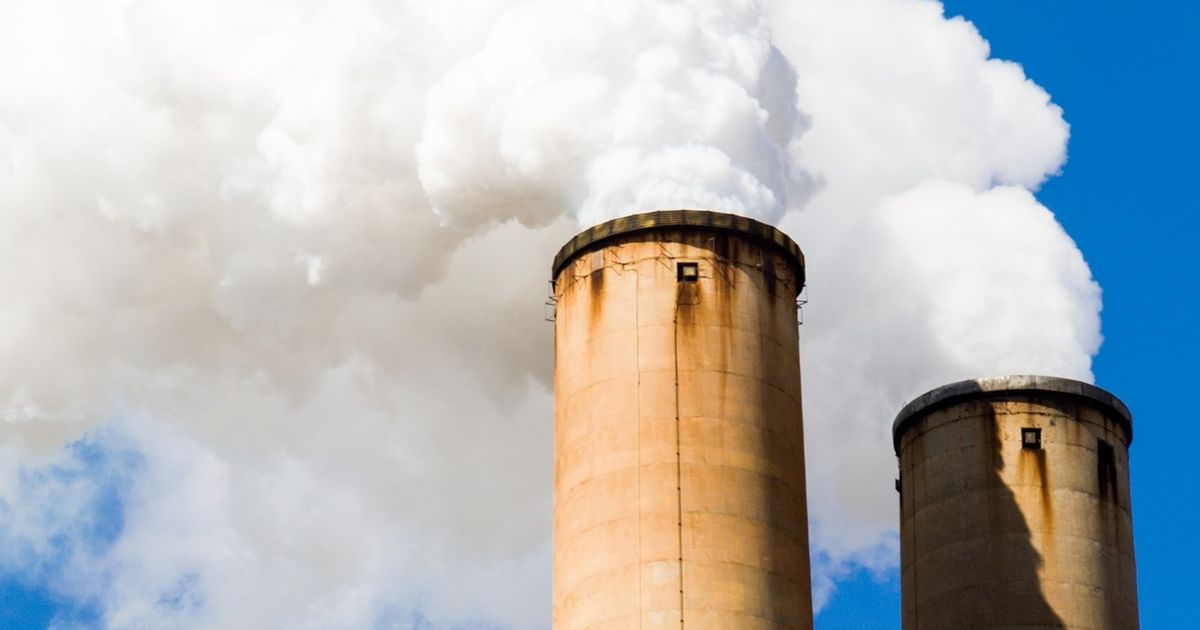
The EPA's April 27, 2026 MATS repeal rolls back 2024 tightening for coal and oil-fired utilities. The 2012 standards remain. Here's what changes, what doesn't, and what you need to do.
Federal DOL filing against Stone Hill Excavation signals aggressive enforcement. Review your injury reporting, drug testing, and safety incentive policies now to avoid $100,000+ liability.

Federal enforcement focus on asbestos exposure documentation and 30-year recordkeeping. What every EHS manager needs to know in 2026.
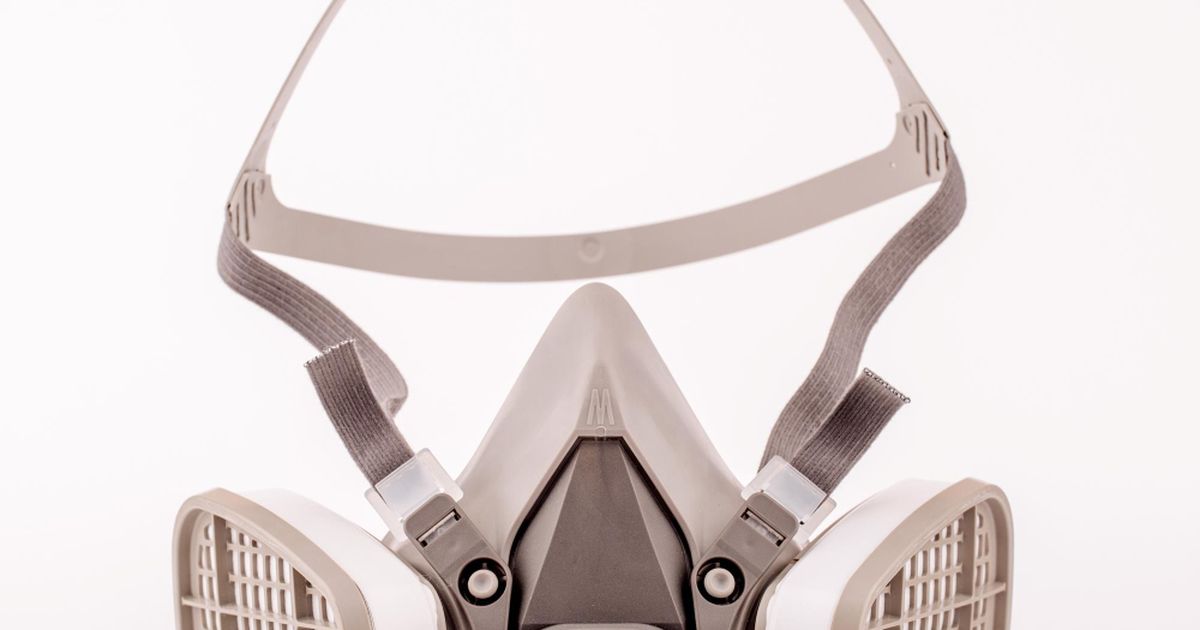
MDI and TDI carry 0.02 ppm ceiling limits under Table Z-1. HDI has no OSHA PEL at all. What the isocyanate exposure limits in polyurethane coatings and foam actually require, and why the 2013 emphasis program no longer applies.
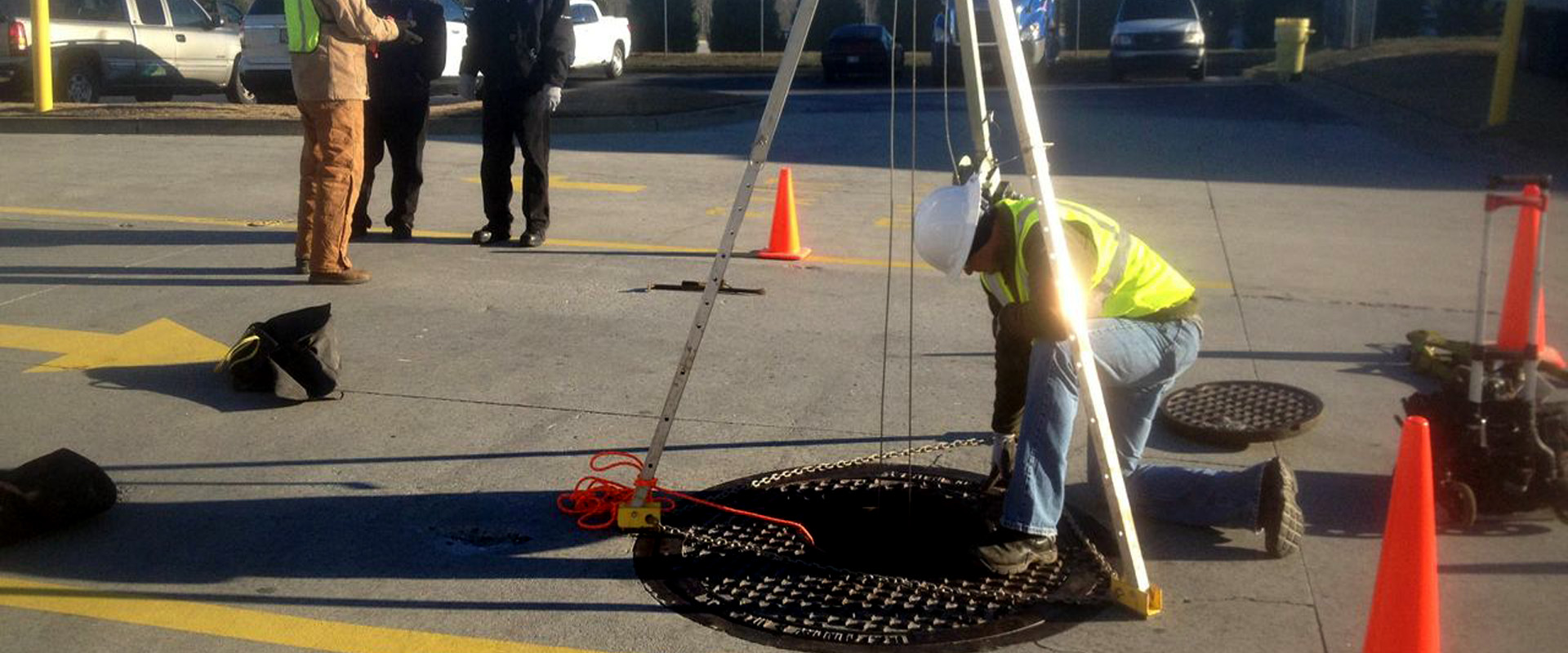
OSHA trenching competent person requirements have teeth. Learn what changed after the April 2026 Revoli Construction case ($4.6M fine), what your designation must include, and how to pass an OSHA inspection.
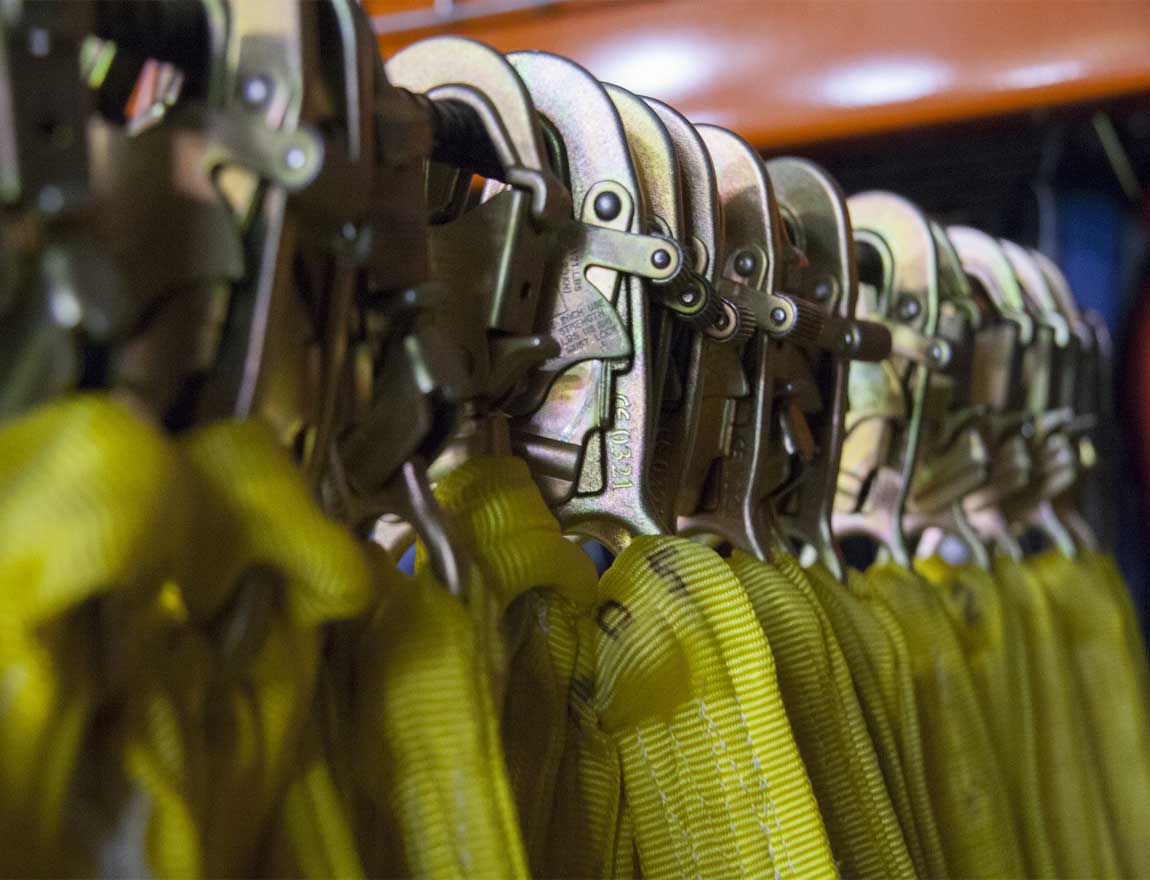
OSHA's April 2026 proposal could remove the 2036 fixed ladder deadline, leaving EHS managers facing major uncertainty on retrofit timelines and capital planning. Understand what's changing.

EPA rescinded federal GHG standards April 20, 2026, but state rules, Title II standards, and fuel economy mandates remain. Here's what your fleet must still comply with.

OSHA added 22 new industries to its heat enforcement program. If yours is one of them, you have until July 9, 2026 to establish a documented heat illness prevention program.
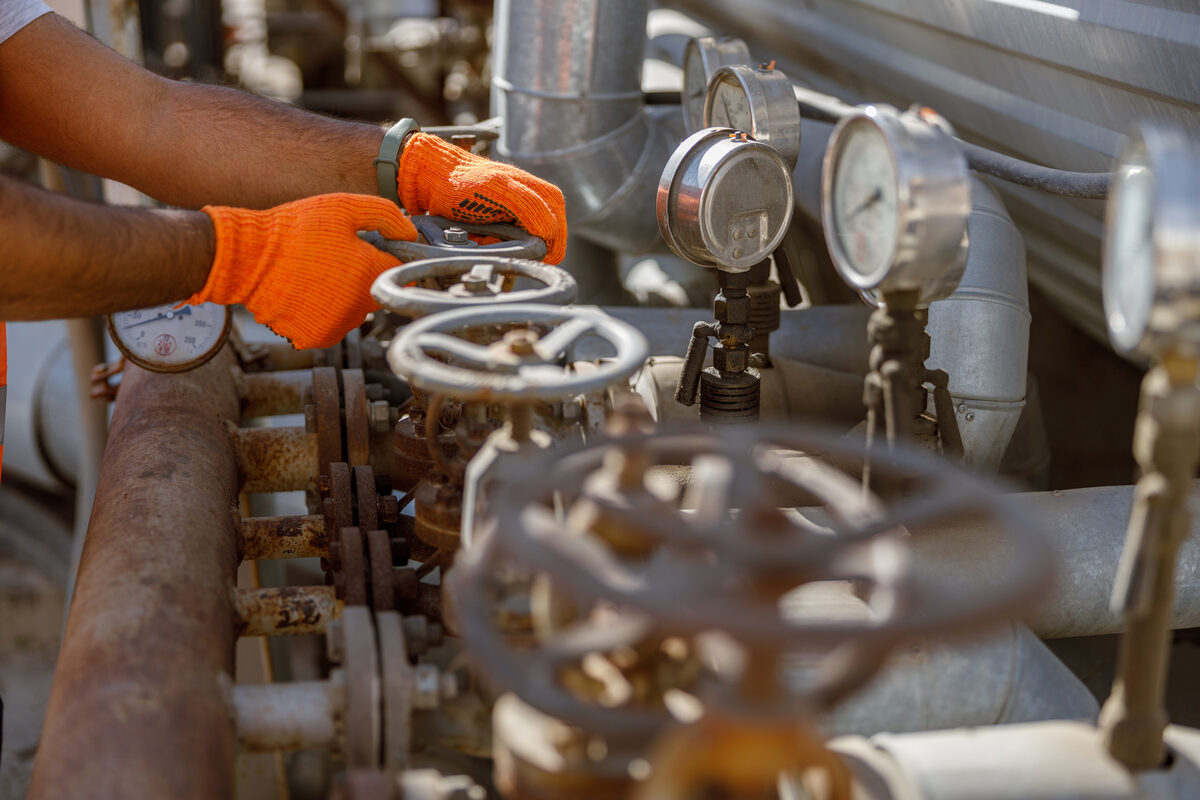
OSHA PEL vs. ACGIH TLV for phthalic anhydride: what's the gap, and what does EPA's unreasonable risk finding mean for compliance? A guide for industrial manufacturers.

EPA's November 2025 proposed amendments would narrow PFAS reporting obligations for article importers, trace amounts, and R&D. Here's what's proposed and what you need to do right now.

Expired calibration gas invalidates your bump tests and calibrations. Learn how to audit your gas detector compliance program and manage cylinder shelf life before OSHA finds the gap.

The EPA FY2027 budget proposal cuts agency funding by 52%. Here is what manufacturing facilities need to know about enforcement, state-level shifts, and compliance preparation.
EPA proposed sweeping CCR rule amendments on April 9, 2026. Here's what utilities actually need to do, and what remains mandatory through 2031.
EPA's December 2025 Compliance First memo shifts enforcement strategy but doesn't eliminate penalties. Here's what manufacturers need to do now to protect themselves.

206 PFAS chemicals now on EPA's TRI list with a July 1, 2027 deadline. Learn what changed, which industries are affected, and why conventional reporting doesn't apply.

OSHA's Form 300A submission deadline, posting requirements, and electronic recordkeeping rules for covered facilities. Understand who must report, when, and the penalties for non-compliance.
OSHA's 2026 budget may reduce planned inspections by 28%, but enforcement remains targeted. Learn how budget cuts actually affect your facility's real compliance risk.
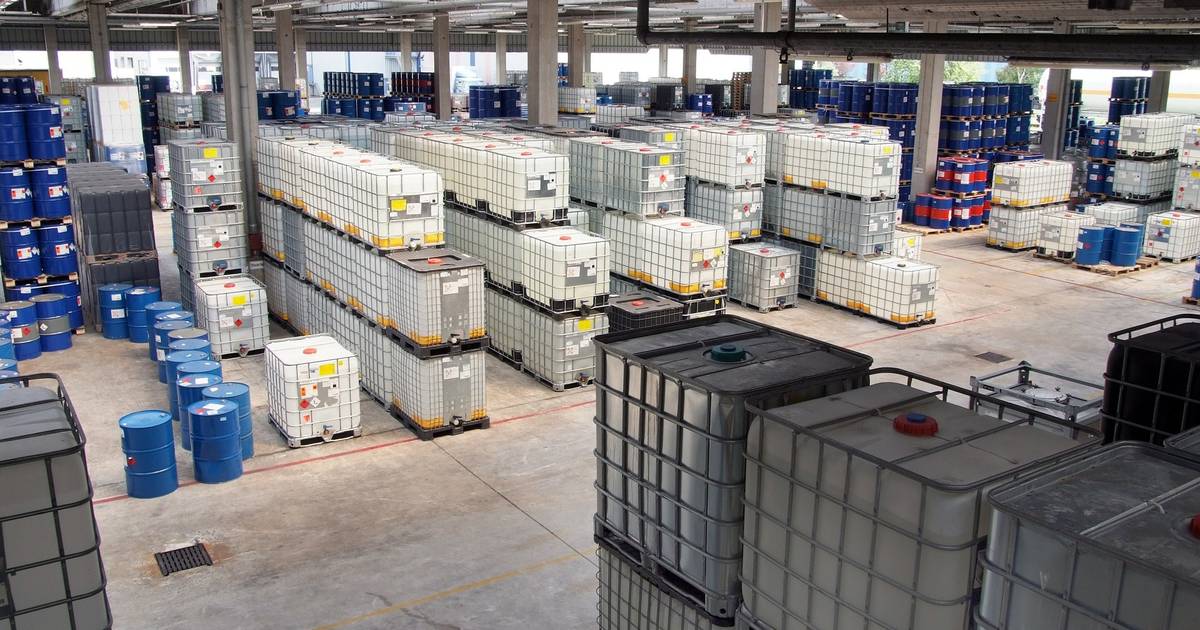
OSHA HazCom 2024 compliance deadline is May 19, 2026. Learn what GHS changes are required, which industries face the highest burden, and penalty exposure.

OSHA's 2026 Heat NEP targets 55 high-hazard industries, 46 removed, 22 added, 33 retained. Find your NAICS, the 90-day window, and Appendix I.
OSHA's National Emphasis Programs in 2026 target specific manufacturing and warehousing sectors for intensive inspection. Learn which programs are active, which are expiring, and what to prepare for.

OSHA requires medical evaluations for voluntary elastomeric respirator use but not for N95s. Here's what triggers compliance and how to avoid a citation.