
The 60-Day Clock That Tells North Carolina Dealerships When Emissions Inspections Actually End
EPA proposed removing North Carolina's vehicle I/M program from the SIP in 18 of 19 counties. What dealerships should reassess before the trigger fires.
Article archive — page 7 of 19
EPA proposed removing North Carolina's vehicle I/M program from the SIP in 18 of 19 counties. What dealerships should reassess before the trigger fires.
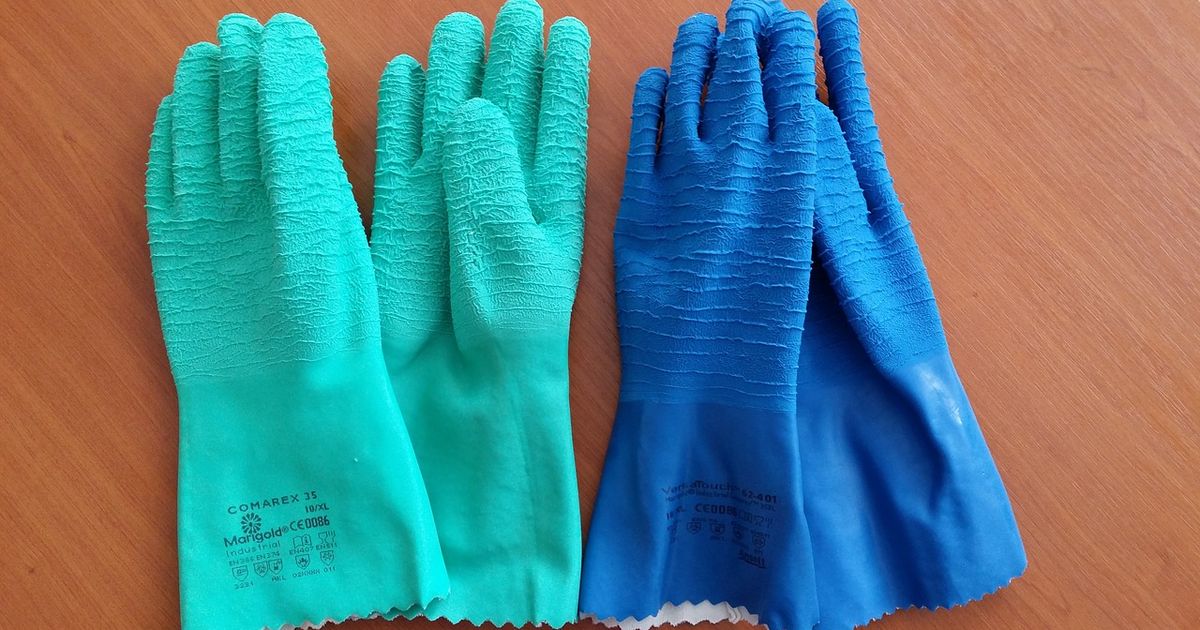
Build a defensible chemical substitution program — hierarchy of controls, TSCA Section 6, OSHA General Duty Clause, and a documented alternatives assessment.

Three operational triggers tell you when EPCRA Tier II reporting has outgrown spreadsheets — multi-state filings, SDS turnover, and overlapping EHS reports.
How a sole industrial hygienist clears a chemical risk assessment backlog across multi-plant operations before the November 20, 2026 HazCom deadline.

Why a single round of industrial hygiene sampling fails AIHA's Bayesian decision analysis test, and what a defensible multi-round assessment actually looks like for a small manufacturer.
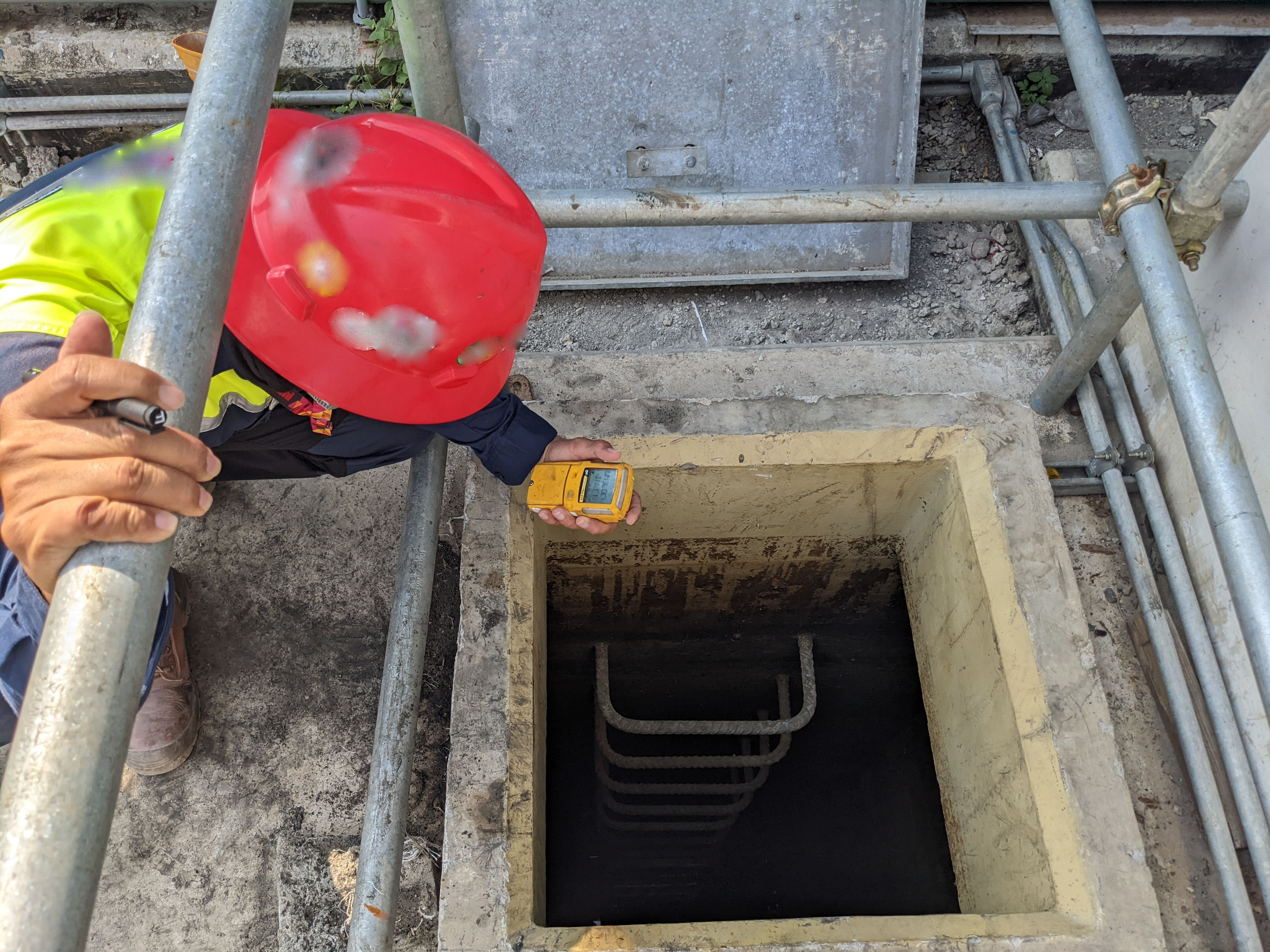
Rated CFM is not delivered CFM. How to calculate confined-space blower output at the duct outlet and document it so OSHA cannot call ventilation inadequate.

OSHA's multi-employer policy means the host facility can be cited for contractor chemical training failures. Here's how the four-employer test actually works.

OSHA's May 2026 EtO ICR shows a ~33% decline in 1910.1047 medical surveillance burden hours. What sterilizers and EtO manufacturers need to verify before a 2026 inspection.
OSHA's renewed HAZWOPER ICR shows 9,975 fewer respondents than 2023 — a federal signal of RCRA TSD cleanup-site contraction with real downstream effects for generators.

Multi-site SDS migration under HazCom 2024 looks like a software purchase. It is not. Here is what the hidden costs actually run, and a 90-day plan.
On May 8, 2026, EPA withdrew a proposed rule that would have expanded RCRA corrective action obligations. Here's what changed, what didn't, and what manufacturers need to do now.

OSHA just published the largest silica compliance burden estimate ever — $220.8M annually across 818,438 employers. Learn what the numbers mean for your facility's compliance program and whether you're keeping pace with federal expectations.

GAC systems fail operationally, not technologically. Learn the seven failure modes that turn high-removal carbon filtration into discharge permit non-compliance — and how to prevent them.
OSHA's 1910.1200(h) requires training comprehension, not just attendance. Design HazCom training that actually changes worker safety behavior on the floor.
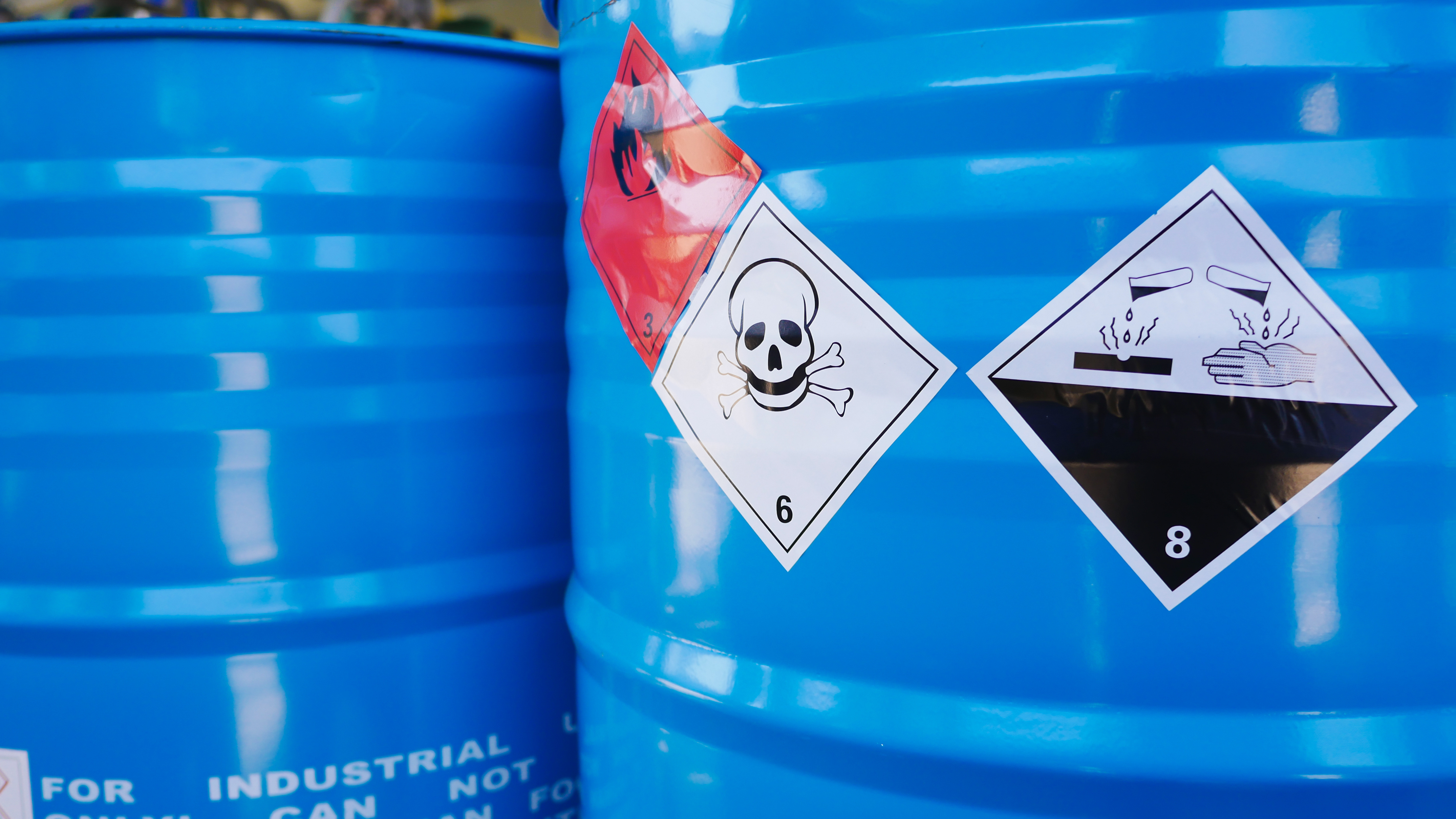
Chemical manufacturers selling US, Canada, and EU face three distinct SDS requirements with staggered deadlines. Manage HazCom 2024, WHMIS, and CLP rules.
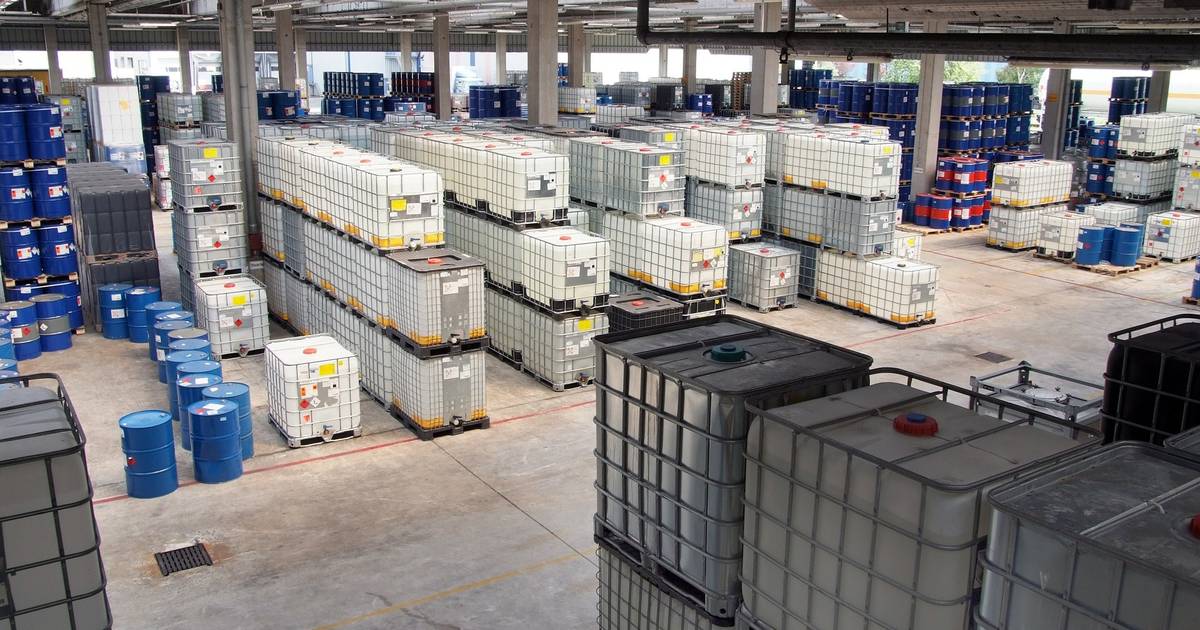
Building owners face EPCRA, CERCLA, RCRA, OSHA, and fire code liability for tenant chemical storage. Lease agreements don't exempt you—know the thresholds.
OSHA enforces whistleblower retaliation across 25 federal statutes—not just Section 11(c). FRSA, STAA, FSMA, CERCLA, TSCA all create cross-statute exposure.

Lead holds #1 ranking on ATSDR's 2026 SPL. Understand enforcement pressure, OSHA targeting, and compliance obligations for manufacturers and construction firms.
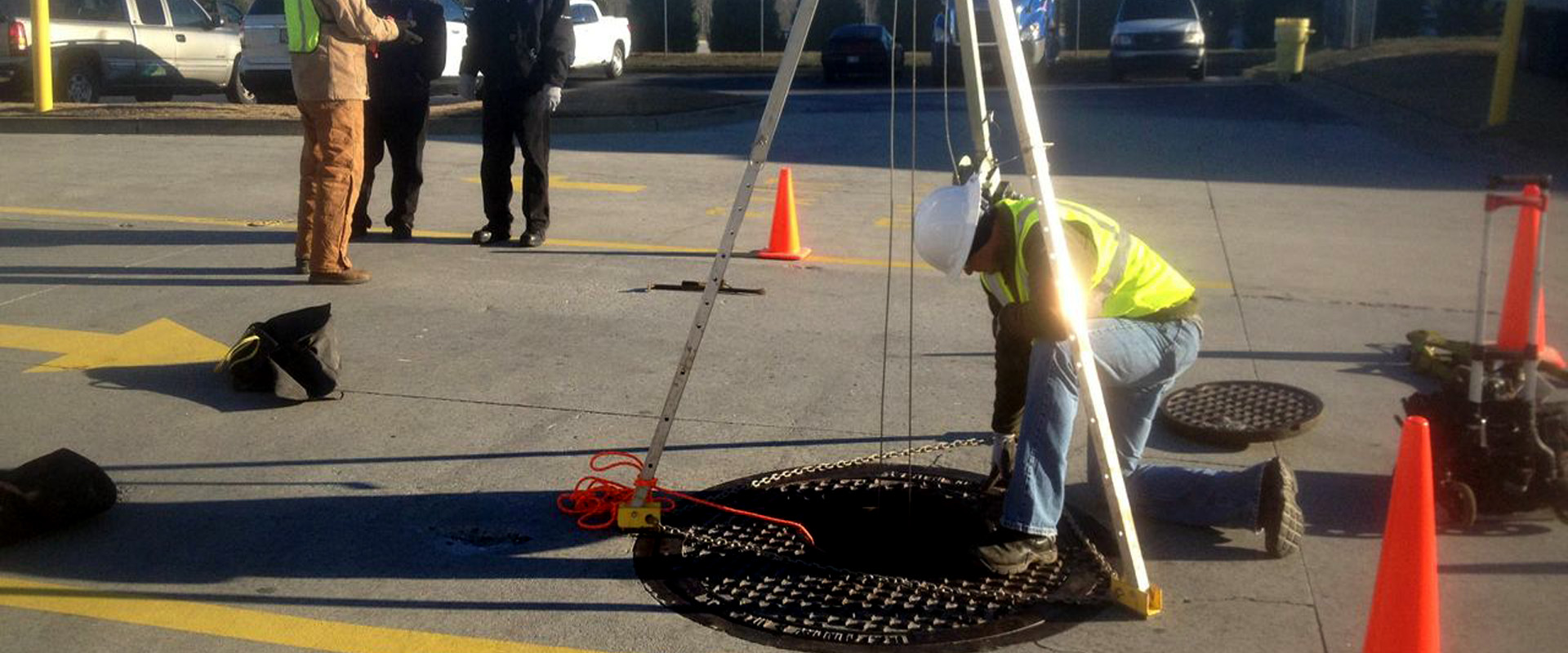
Most facilities size confined-space ventilation off blower nameplate CFM and assume 7 air changes purges the hazard. Both assumptions are wrong. Here's how to calculate actual delivered flow, account for duct loss, and know when air-change rules fail.

EPA's May 5, 2026 final risk evaluation for 1,2-dichloroethane triggers TSCA Section 6(a) rulemaking. Here's what manufacturers need to know about worker exposure limits, compliance timelines, and the preparation window before the proposed rule.

EPA extended TCE Section 6(g) exemption conditions to May 2026. Why vapor degreaser operators must baseline exposure now — not wait.
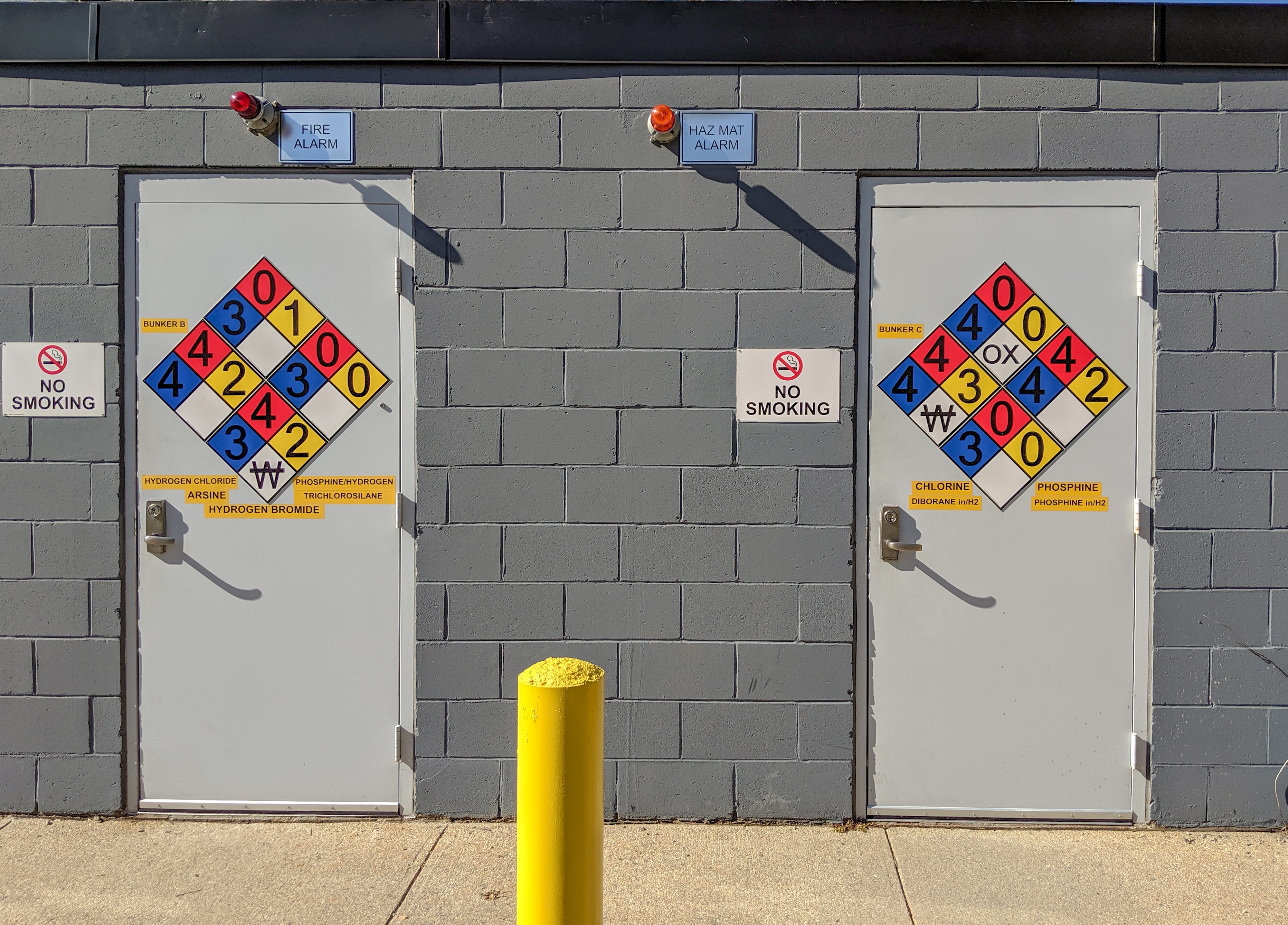
Secondary containment for workplace chemicals must comply with OSHA, EPA SPCC, EPA RCRA, and NFPA 30 simultaneously. When regulations conflict, you need the strictest—not the easiest—interpretation.

EPA approved Virginia's partial coal ash permit program effective November 23, 2026. Permits issued before that date carry no RCRA 4005(d) federal shield.

EPA's ethylene oxide sterilizer emissions rule reconsideration closes May 15, 2026. What operators must do to protect compliance—regardless of outcome.