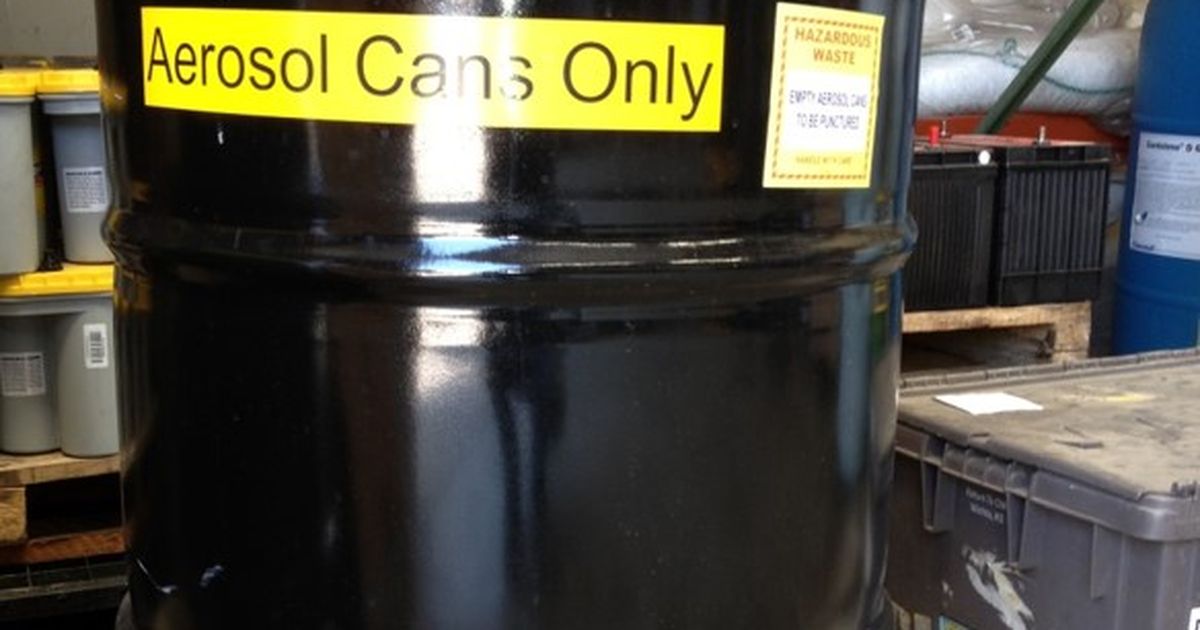
EPA Finalizes Aerosol Can Universal Waste Regulation
EPA's universal waste rule lets facilities manage aerosol cans without full hazardous waste handling. Who qualifies, what changed, how to comply.
EPA is allowing generators to handle aerosol cans as a universal waste rather than a hazardous waste, effective February 7, 2020. The goal is to reduce regulatory costs, ease burdens on retail stores and other businesses, promote recycling, and save over $5.3 million per year.
⚡ TL;DR: Aerosol cans are now classified as universal waste under EPA regulations. Manufacturers using or disposing of aerosol products must comply with new tracking and disposal requirements.
Who’s Affected and Basic Requirements
The rule applies to all persons that generate, transport, treat, recycle or dispose of aerosol cans. It does NOT apply to very small quantity generators or households.
Labeling: Each can or container must be labeled “Universal Waste—Aerosol Can(s),” “Waste Aerosol Can(s),” or “Used Aerosol Can(s).”
Storage: Cans must be accumulated in structurally sound containers. Universal waste can be stored for up to one year. Cans may be punctured and drained when the emptied cans are to be recycled.
⚠️ What’s at stake: Noncompliance with federal environmental regulations results in significant civil and criminal penalties, operational shutdowns, and facility remediation costs that can exceed millions of dollars.
Be Aware of Your State Requirements: EPA considers this rule less stringent than current federal programs, and states will not be required to adopt it. Check your state’s stance before changing policies.
Frequently Asked Questions
Q: Can aerosol cans be managed as universal waste instead of hazardous waste?
Yes, effective February 7, 2020, EPA allows most aerosol can generators to manage them as universal waste rather than hazardous waste, reducing regulatory burden and promoting recycling. Universal waste aerosol can classification applies to aerosol cans containing hazardous substances. However, very small quantity generators (producing less than 100 kg of hazardous waste per month) and household generators are exempt. Individual aerosol cans or containers must be labeled “Universal Waste—Aerosol Can(s),” “Waste Aerosol Can(s),” or “Used Aerosol Can(s).” This change was estimated to save businesses over $5.3 million annually. iSi Environmental helps facilities implement compliant aerosol can management as universal waste.
Q: What are the storage and accumulation requirements for universal waste aerosol cans?
Universal waste aerosol cans must be accumulated in structurally sound containers that prevent leakage and damage. Cans can be stored for up to one year from the date they become waste. When cans are to be recycled or disposed of, they may be punctured and drained of contents to facilitate recycling. Punctured and drained cans must still be properly labeled and containerized until removal. Storage areas must be maintained to prevent spills and environmental contamination. iSi Environmental helps facilities establish proper aerosol can accumulation and storage systems.
Q: Do state environmental agencies accept EPA’s aerosol can universal waste rule?
EPA considers the universal waste aerosol can rule less stringent than some existing state regulations, so states are not required to adopt it. Some states may have more restrictive requirements for aerosol can management. Facilities must verify their state’s stance on aerosol can classification before changing management practices from hazardous waste to universal waste. Kansas, Oklahoma, and Texas may have different requirements. iSi Environmental checks state-specific requirements to ensure facilities comply with both EPA and state regulations.
Q: What benefits does universal waste classification provide for aerosol can management?
Classifying aerosol cans as universal waste reduces regulatory costs by allowing simpler documentation and storage requirements compared to hazardous waste management. The change promotes aerosol can recycling by making recycling more economically viable. One-year accumulation timeframes allow facilities to consolidate cans before removal. Labeling requirements are simpler than hazardous waste placarding. The EPA estimated this rule saves businesses $5.3+ million annually in reduced compliance costs. iSi Environmental helps facilities optimize aerosol can management cost-effectiveness while maintaining compliance.
Not sure where your facility stands with current regulations? iSi Environmental helps manufacturing facilities and industrial operations understand their compliance obligations and close operational gaps. Get started with a compliance assessment.
💰 The cost of non-compliance: Facilities mismanaging aerosol cans as hazardous waste instead of universal waste pay unnecessary compliance costs ($5.3M+ annually across all businesses). Facilities violating universal waste storage or labeling requirements face RCRA penalties of $70,000+ per day per violation.
We Plug In. You Level Up.