No OSHA Lightning Standard: Writing a Weather Stop-Work Policy That Holds Up
OSHA has no lightning standard. The exposure sits in how you handle the worker who stops for thunder, and in what your written weather plan actually says.
73 articles · All articles
OSHA has no lightning standard. The exposure sits in how you handle the worker who stops for thunder, and in what your written weather plan actually says.
OSHA Fact Sheet 4519 recommends stocking opioid overdose reversal medications. No OSHA standard requires naloxone. Here is what your first aid program owes.

Leading indicators live in OSHA guidance. OSHA's Site-Specific Targeting program picks inspections from the lagging 300A injury data you submitted yourself.
Detroit hit AQI 650 with no workplace smoke rule. Four states regulate wildfire smoke at work — what OSHA can enforce everywhere else and how to respond.
OSHA has no standard for post-head-strike response. How to build a workplace head injury response protocol that meets OSHA recordkeeping and reporting rules.
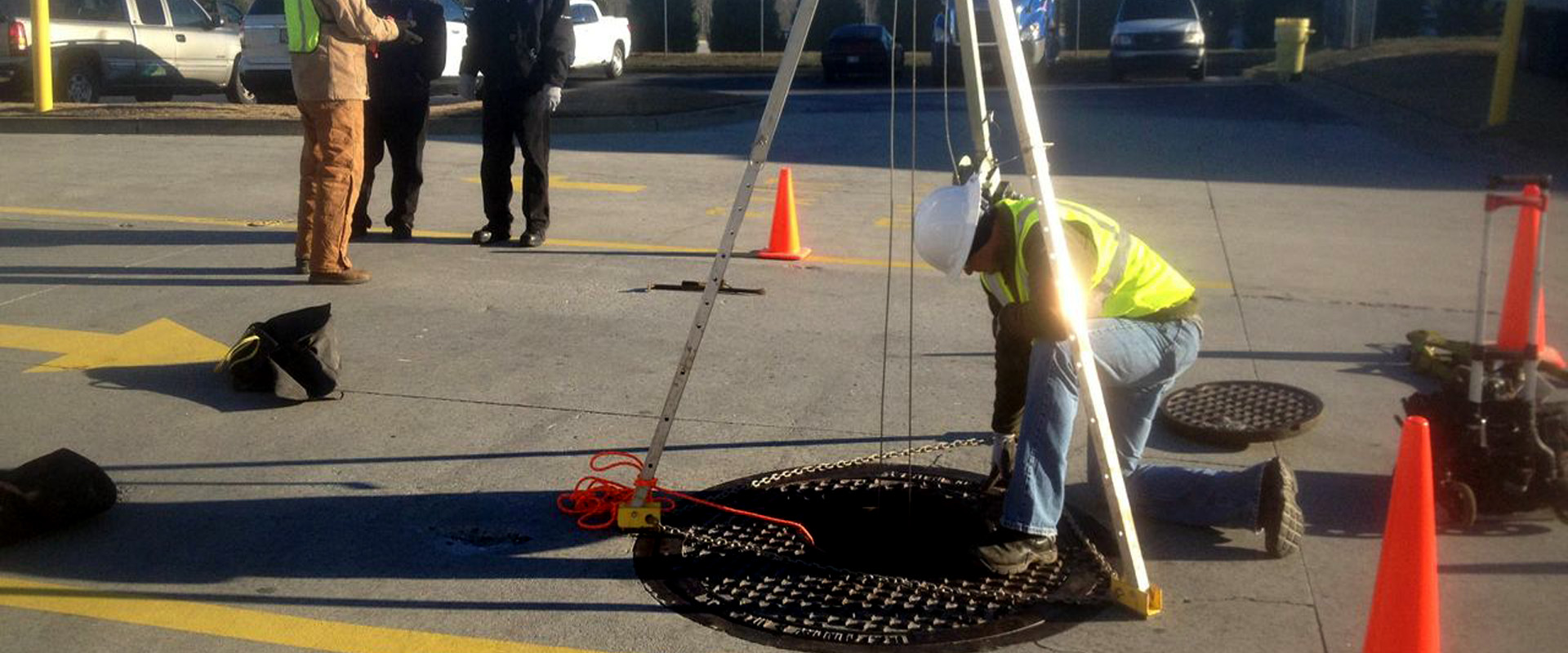
OSHA's $264,380 proposed FleetPride citation shows what a confined space program for fleet maintenance and tanker entry requires under 29 CFR 1910.146.
A 2026 Texas confined-space fatality drew separate OSHA citations for a staffing agency and its host contractor — proof neither escapes liability for temp labor.

OSHA cut first-offense penalties up to 70% in July 2025 and froze 2026 rates. Repeat violations still get 2x-10x gravity multipliers and no history discount.

A prior lockout/tagout citation can make the next one a repeat at $165,514. What the five-year lookback really measures, and what you can still contest.
OSHA's Aug 19, 2026 hearing covers 20+ deregulatory proposals affecting respirator rules across 13 carcinogen standards. The exposure limits are not changing. Here's what's actually on the table.
Newly assigned safety manager? Work your OSHA compliance in the order OSHA enforces it — recordkeeping, 8/24-hour reporting, written programs, and deadlines.
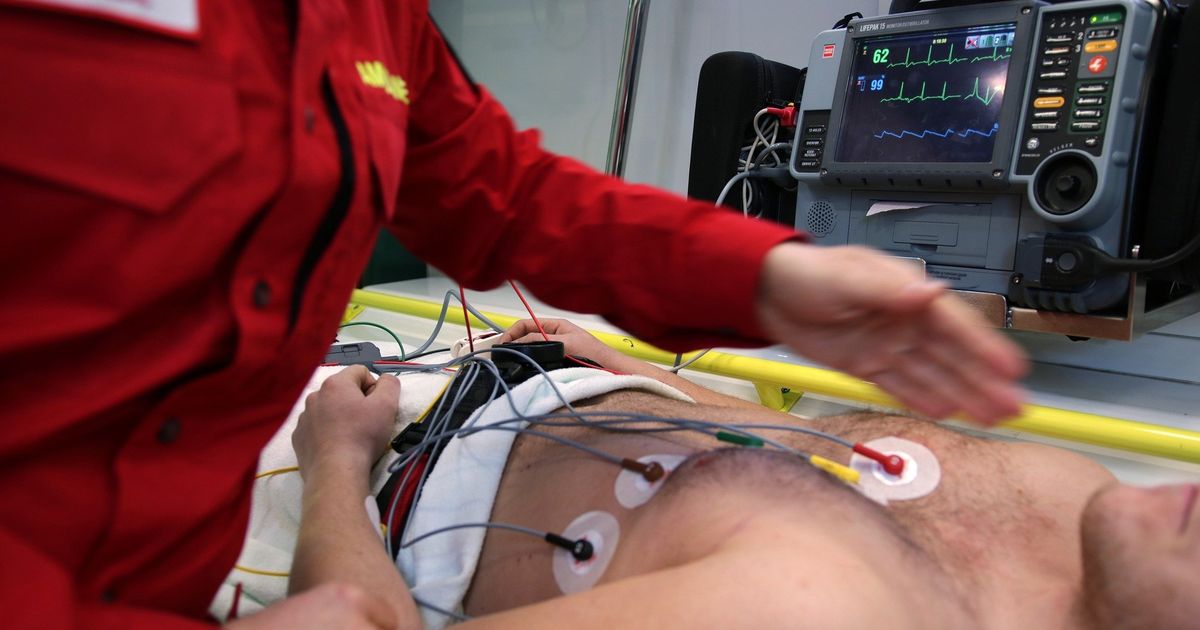
There is no federal OSHA workplace violence standard. Here are the prevention program requirements that actually govern employers under the General Duty Clause.

Most OSHA training records fail verification, not existence. What each standard requires in the file, how to verify third-party cards, and where fraud enters.
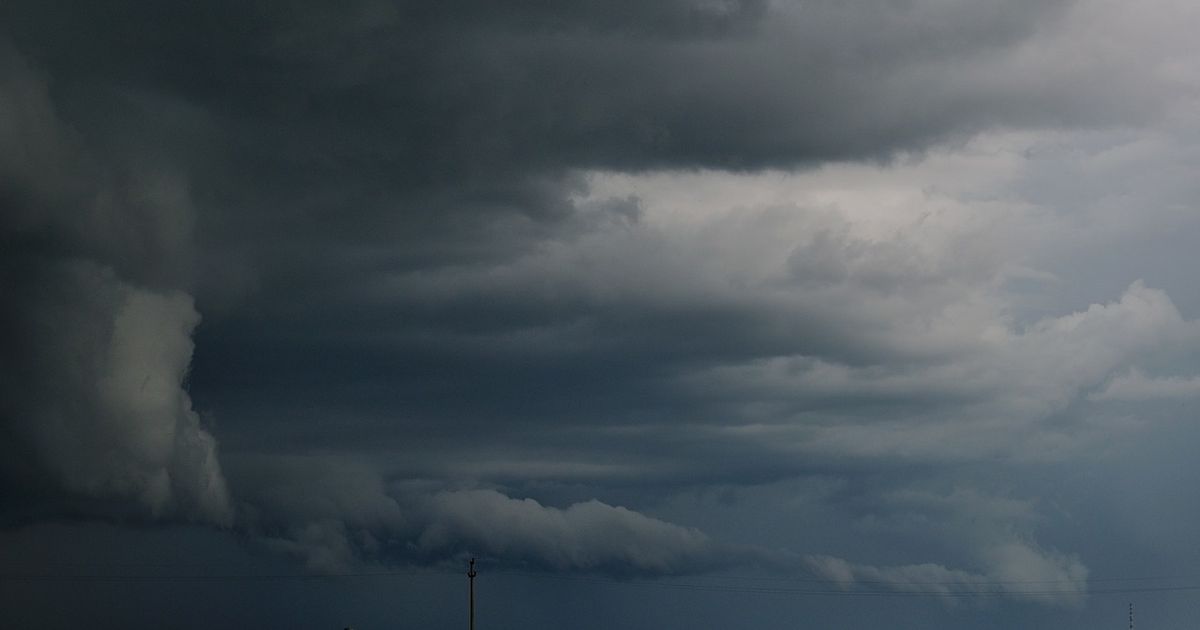
OSHA's 29 CFR 1910.38 emergency action plan rules are the floor, not the plan. What Gulf and Atlantic employers should verify before the 2026 season peaks.

OSHA health standards rulemaking in 2026 is pulling in two directions at once — a sweeping deregulatory package and a stalled heat standard. Here's what matters for exposure monitoring and compliance programs right now.
OSHA has proposed removing medical evaluation requirements for N95s and loose-fitting PAPRs — but the rule isn't final and the existing standard is fully in force. Here's what changes now (nothing) and what to watch before the July 6 comment deadline.
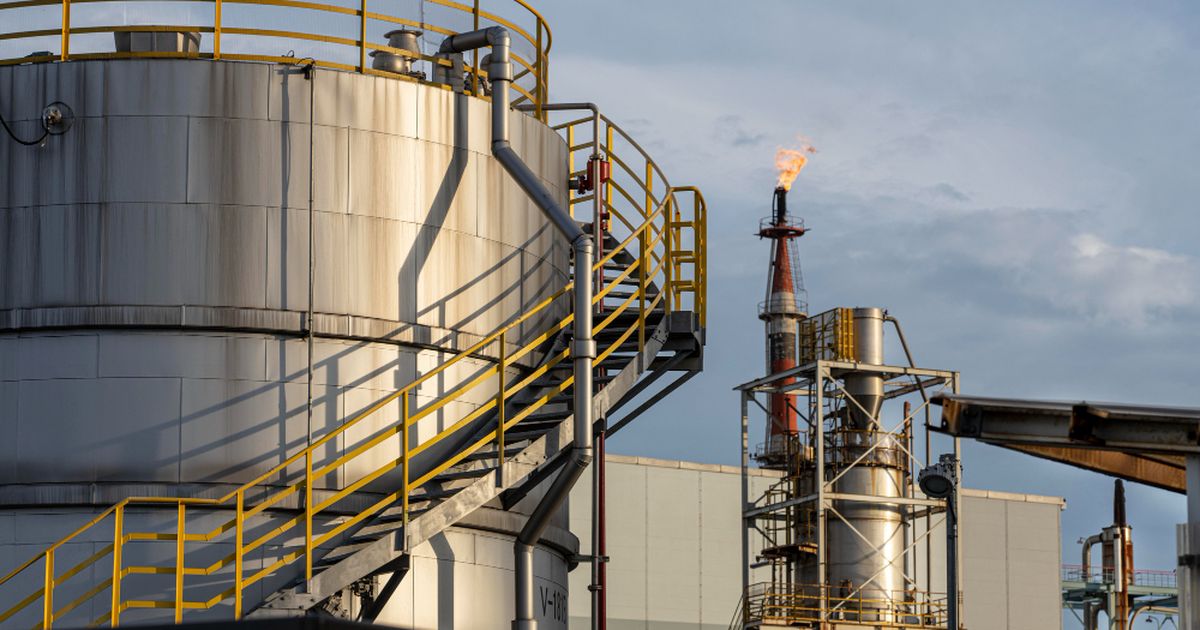
What pulp, chemical, and manufacturing operators need to verify on every atmospheric storage tank — API 653 currency, API 2000 venting capacity, and P/V valve condition.
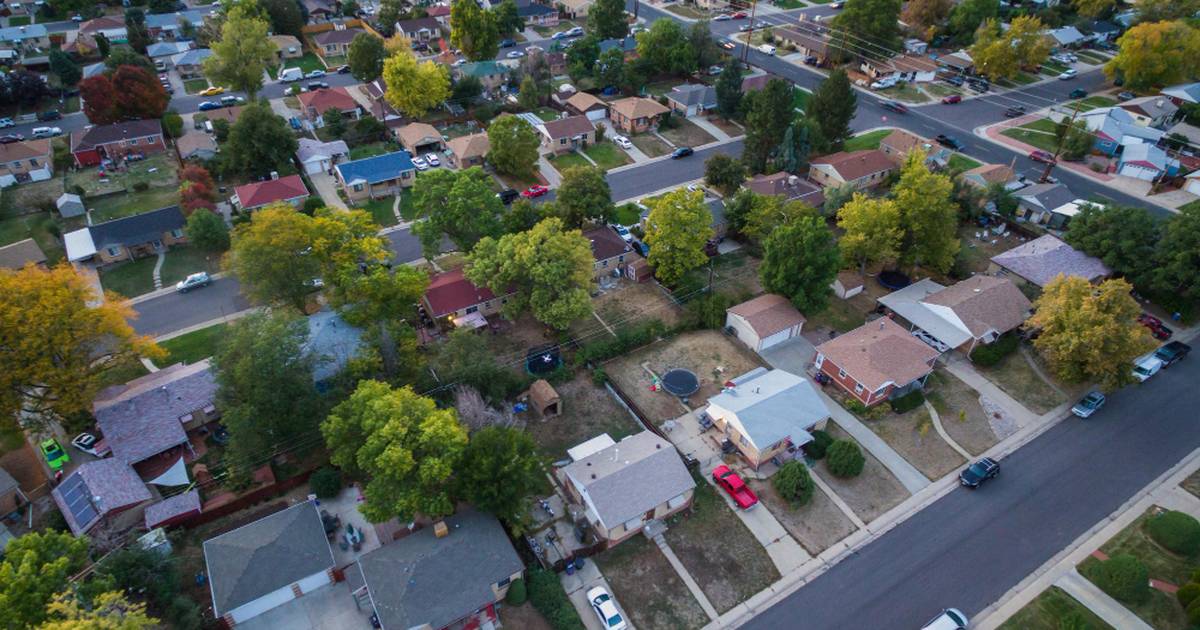
CSB's Givaudan final report exposed the practitioner gap on industrial-residential setbacks. What plant operators need to do — and what no federal standard requires.

CSB's final report on the 2024 Givaudan explosion exposes a 12-year gap between reactivity testing and relief design. Here's the practitioner standard food plants now have to meet.

One cubic yard of soil weighs 3,000 pounds. A worker pinned face-down has about three minutes. Here's what 29 CFR 1926.652 actually requires before the June 2026 Stand Down.
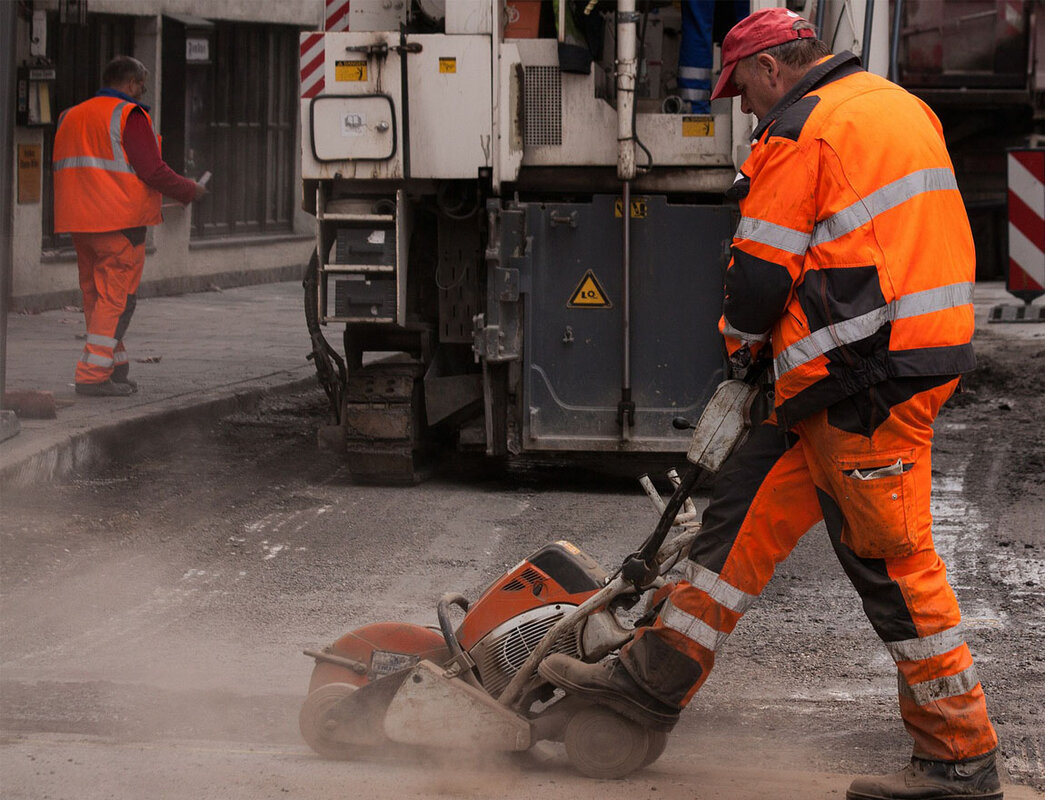
Running water at the blade isn't a free pass on OSHA's construction silica standard. The Table 1 safe-harbor requires 'fully and properly' implementing the entry — and one misread row collapses the whole program back to paragraph (d).
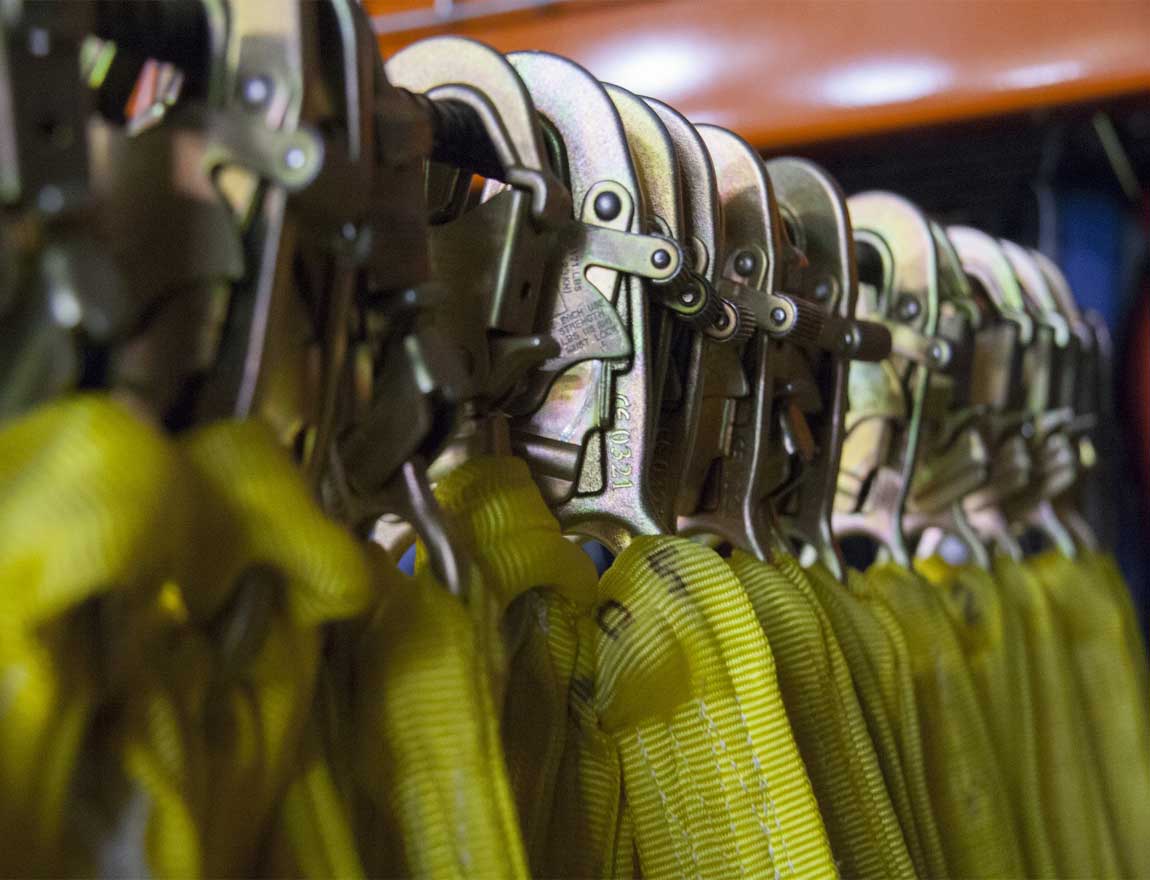
OSHA 1926.502(d) doesn't just require a body harness and a vertical lifeline — it requires them rigged a specific way. Four common ways visible PFAS still gets cited.

Water treatment plants run chlorine, sodium hypochlorite, and fluorosilicic acid daily — but generic annual HazCom training rarely covers the three chemicals by name. Here is the training architecture OSHA expects, the PSM/RMP thresholds you cross at 1,500 and 2,500 pounds, and the HCS-2024 deadline closing November 20, 2026.

OSHA shipped a typo in Table D-2 of 29 CFR 1910.28 in 2016 — leaving facility owners guessing whether narrow open stairways need both a stair rail system and a handrail. The February 2026 interim enforcement guidance resolves the question. Here's what to install now.

OSHA's 1910.1200(h) requires training comprehension, not just attendance. Design HazCom training that actually changes worker safety behavior on the floor.
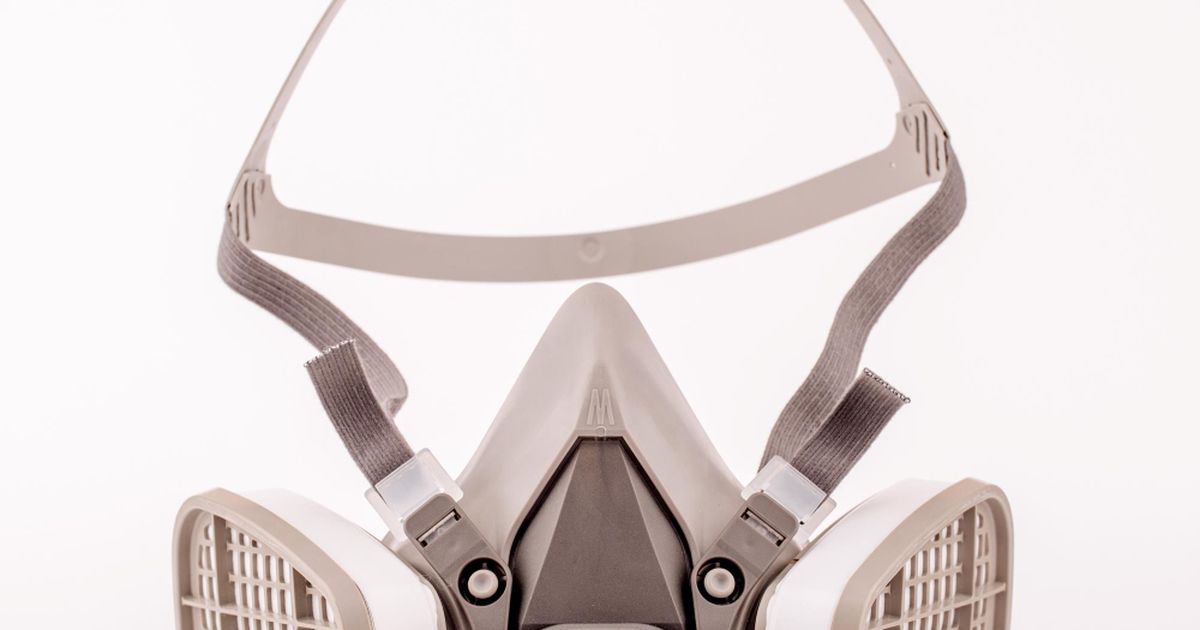
OSHA 1910.134 requires defensible cartridge change-out schedules backed by objective data. The 5-step methodology when NIOSH loading data isn't available.
OSHA 29 CFR 1910.1200(h) requires product-specific HazCom training. How to design a program that survives inspection and avoids $7,500+ citations.

Solo industrial hygienists interpreting OSHA lead UCL and CV calculations face exposure without peer review. Learn why CIH verification is a defensibility requirement.

Federal enforcement focus on asbestos exposure documentation and 30-year recordkeeping. What every EHS manager needs to know in 2026.
On April 6, 2026, OSHA elevated its polyurethane alliance to Ambassador status. Learn what this enforcement signal means for isocyanate exposure compliance and respirator program requirements.
OSHA trenching competent person requirements have teeth. Learn what changed after the April 2026 Revoli Construction case ($4.6M fine), what your designation must include, and how to pass an OSHA inspection.
OSHA's April 2026 proposal could remove the 2036 fixed ladder deadline, leaving EHS managers facing major uncertainty on retrofit timelines and capital planning. Understand what's changing.

OSHA added 22 new industries to its heat enforcement program. If yours is one of them, you have until July 9, 2026 to establish a documented heat illness prevention program.
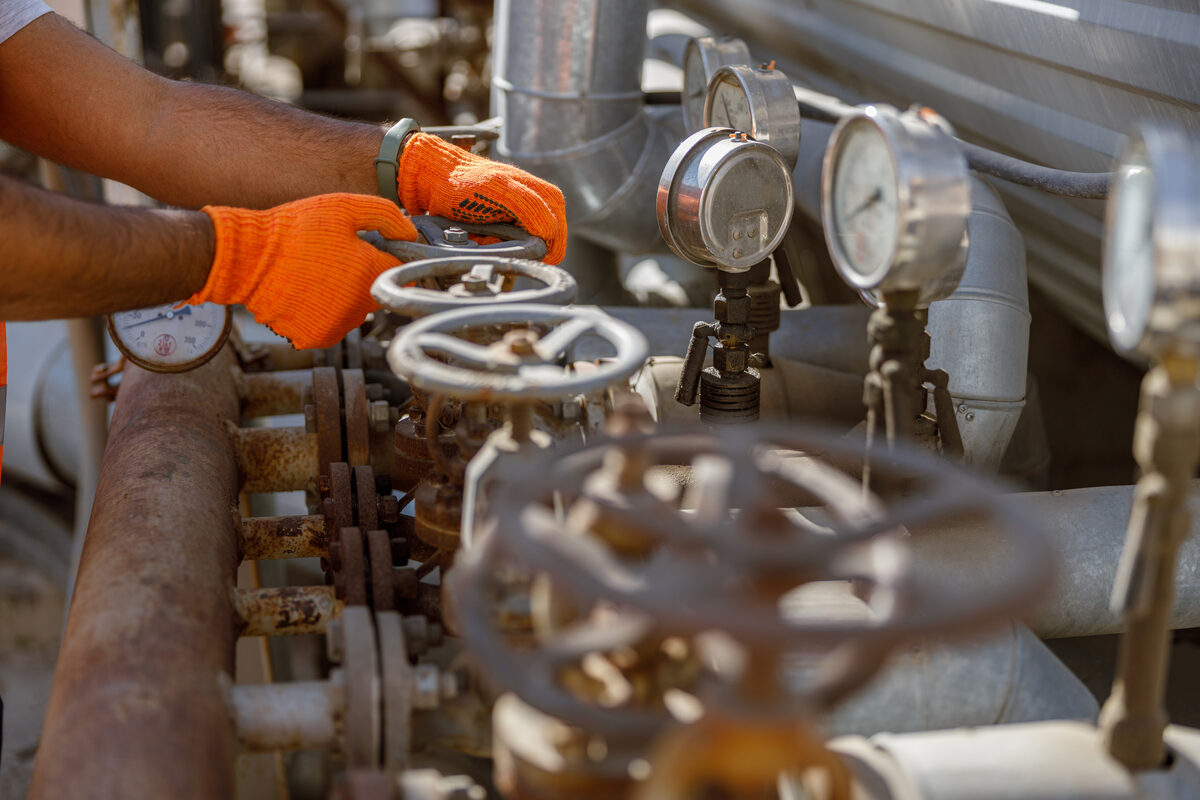
OSHA PEL vs. ACGIH TLV for phthalic anhydride: what's the gap, and what does EPA's unreasonable risk finding mean for compliance? A guide for industrial manufacturers.

Expired calibration gas invalidates your bump tests and calibrations. Learn how to audit your gas detector compliance program and manage cylinder shelf life before OSHA finds the gap.
OSHA's Form 300A submission deadline, posting requirements, and electronic recordkeeping rules for covered facilities. Understand who must report, when, and the penalties for non-compliance.
OSHA's 2026 budget may reduce planned inspections by 28%, but enforcement remains targeted. Learn how budget cuts actually affect your facility's real compliance risk.
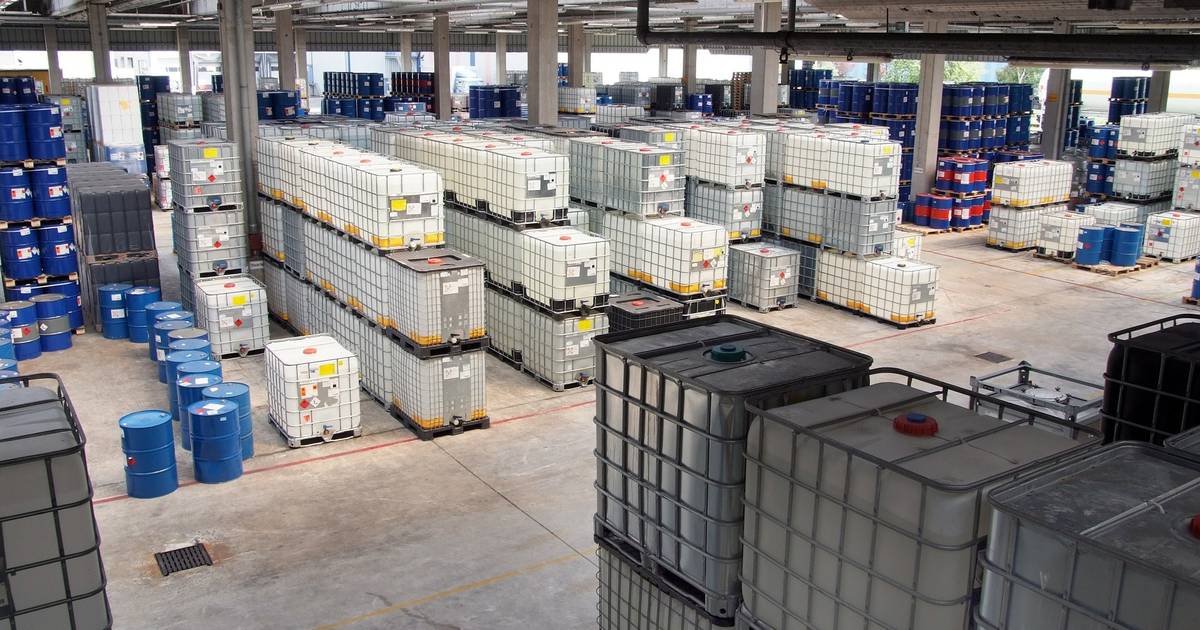
OSHA HazCom 2024 compliance deadline is May 19, 2026. Learn what GHS changes are required, which industries face the highest burden, and penalty exposure.

OSHA's 2026 Heat NEP targets 55 high-hazard industries — 46 removed, 22 added, 33 retained. Find your NAICS, the 90-day window, and Appendix I.
OSHA's National Emphasis Programs in 2026 target specific manufacturing and warehousing sectors for intensive inspection. Learn which programs are active, which are expiring, and what to prepare for.
OSHA requires medical evaluations for voluntary elastomeric respirator use but not for N95s. Here's what triggers compliance and how to avoid a citation.
60% of compliance work is surrounding work—paperwork, tracking, reporting cycles, permit renewals—that doesn't require your safety manager's judgment.
A breakdown of OSHA's most cited violations in manufacturing facilities, penalty amounts, and practical prevention strategies that actually work.

Your ISNetworld grade decides whether you win work or get skipped. Here are the 10 things you need to gather to earn an A grade — and keep it.
OSHA's updated Walking-Working Surfaces standard brought construction-style fall protection into general industry.
OSHA's General Duty Clause is the catch-all citation for hazards with no specific standard — and the one most employers don't see coming. Here's what triggers it and how to audit for it.
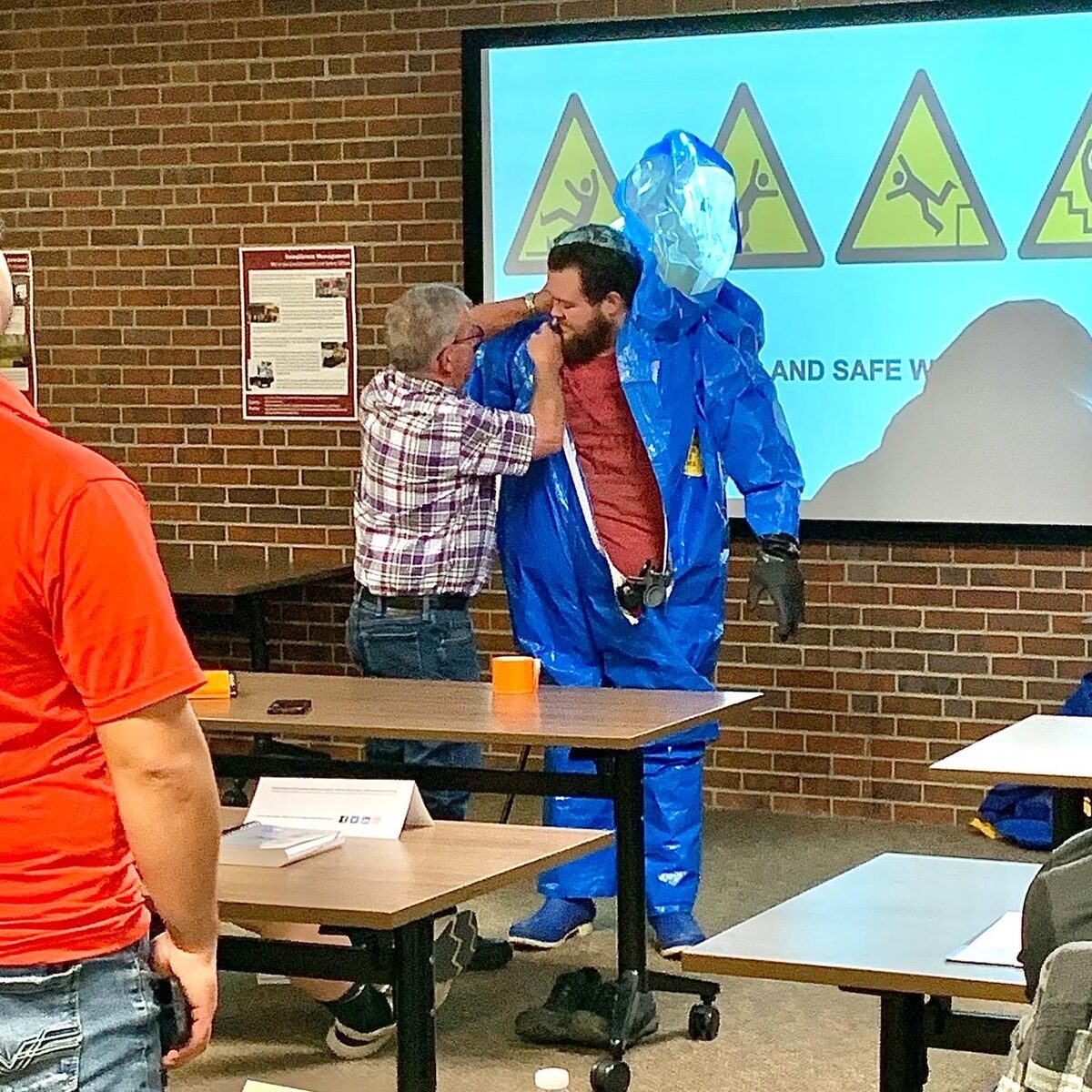
OSHA requires different emergency plans depending on whether your employees respond to chemical releases or evacuate.
Grade D breathing air has specific OSHA-mandated purity limits, component requirements, and testing protocols. Miss any one and your supplied-air respirator program fails inspection.
Fireworks injuries spike every 4th of July — here's a simple toolbox talk covering setup, safe shooting, disposal, and pet safety you can share with your crew or family.

OSHA runs powered industrial truck emphasis programs in multiple states — here are the six areas inspectors hit hardest, from seat belts to training records.
How OSHA fines are calculated — and the 2026 maximum penalties, frozen at $16,550 serious and $165,514 willful — plus how employers reduce them.
Let iSi help you determine what to do about ototoxic chemicals and noise exposures at your facility!The effects of chemical exposures in the workplace h...
OSHA is soliciting information on powered industrial vehicles to determine the need for an updated forklift standard is necessary.
After you complete your safety plan, you will have the option for a third-party review.
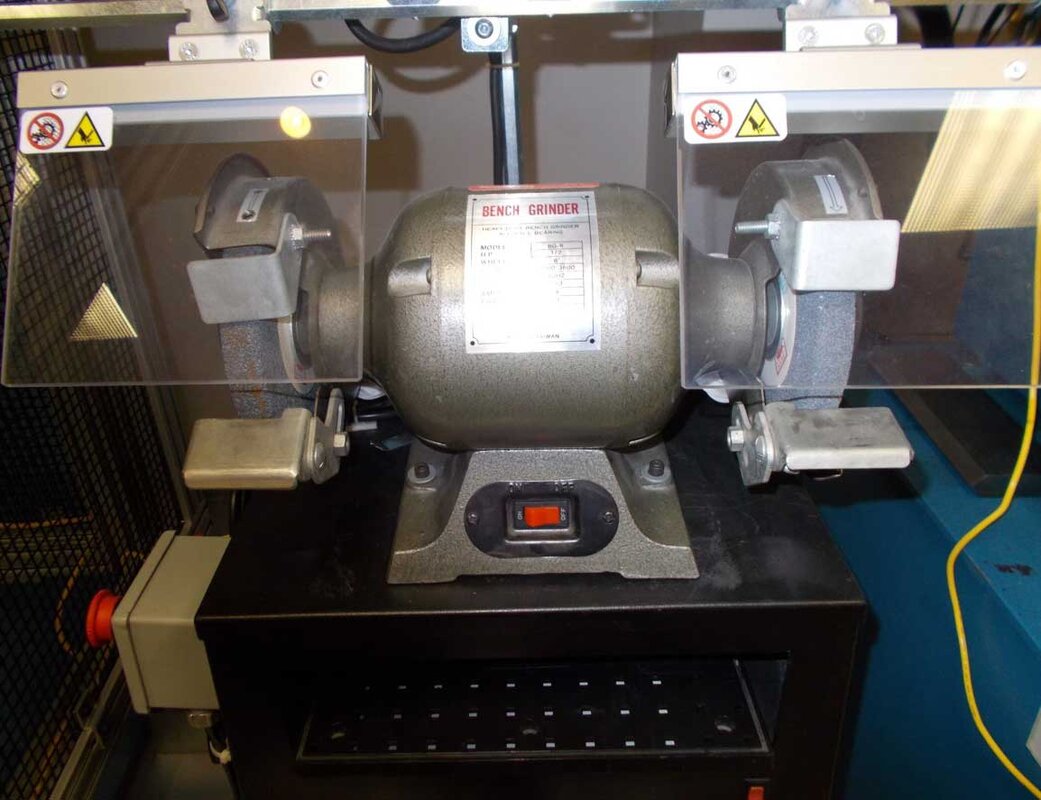
If your company has a centrifugal pump, you may have a machine guarding issue that can put you at risk for violation. Learn how to fix it in our blog.
OSHA electronic reporting of injuries and illnesses rules have undergone another change, and this time its to account for worker privacy.
When it comes to temporary workers, who's responsible for OSHA compliance? Is it the host employer or the staffing agency?
Watch our webinar to determine how these regulations apply to your organization. OSHA's general industry silica standard went into effect on June 23, 2018.

OSHA's electronic injury reporting for injuries are due by July 1 each year. Who's required to report electronically? Learn more in our blog!
OSHA has made some changes to enforcement dates for its beryllium standard.
OSHAs silica general industry standard will be enforced starting June 23, 2018. Is your company affected by this new standard?
OSHA started enforcing certain provisions of its new beryllium standard starting May 11, 2018. Is your company affected by this new standard?
The National Safety Council (NSC) has reviewed OSHAs Fiscal Year 2019 budget and within its budget justification section, NSC has found a number of item...
The OSHA silica rule for general industry/maritime is more geared toward proving silica exposures are occurring below certain levels and thus there is m...
Watch our free webinar on the construction silica standard. OSHA's silica in construction standard goes into effect on September 23, 2017.
View our free webinar to determine how these regulations apply to your organization.OSHA's new Silica in Construction Rule (29 CFR 1926.1153) went into ...
This week at the National Safety Council's annual Congress and Expo, OSHA announced its Top 10 Most Commonly Cited Violations for 2017.
Walking-Working Surfaces Final Rule for General Industry Incorporates Construction Standards OSHA has incorporated Construction Standards into the Gener...

We have a few OSHA updates today, one regarding electronic recordkeeping and the others regarding crane compliance.
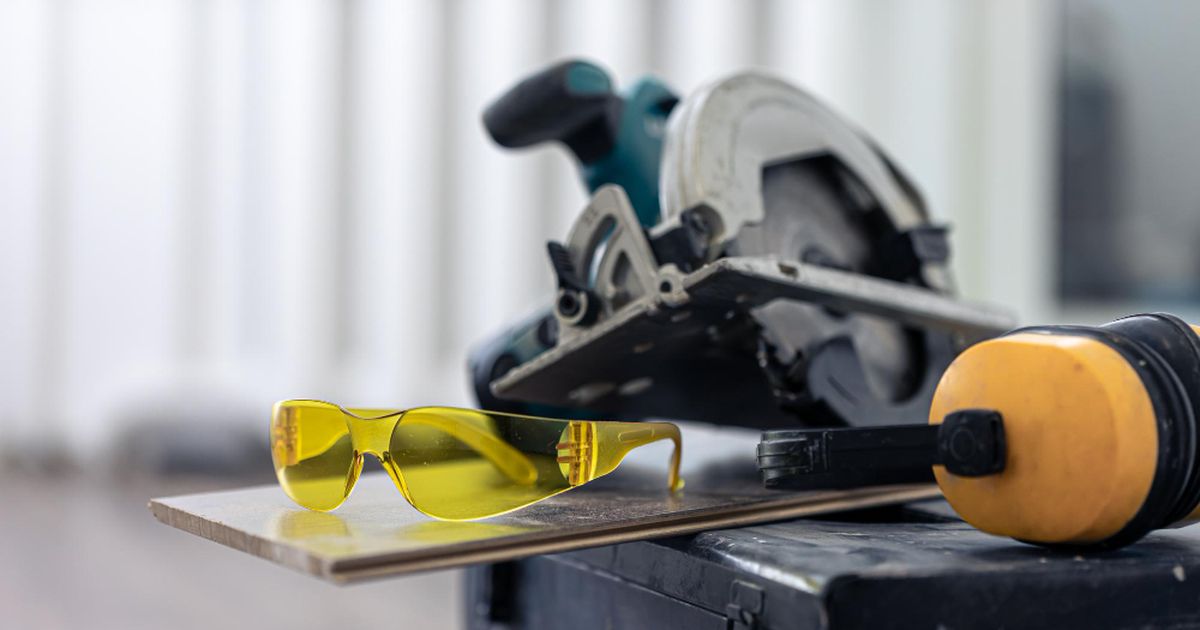
Employee safety incentive programs need to promote positive behaviors and not be a deterrence from reporting injuries per a new OSHA guidance.
A study published by NIOSH has affirmed the need for OSHA's requirement for annual fit-testing for filtering facepiece respirators and other tight-fitti...
Watch our webinar to determine how these regulations apply to your company.

Watch our webinar to determine how these regulations apply to your organization. OSHA's crystalline silica rule has been finalized.